
- About
- Why ‘Town
- Admission
- Lower School
- Middle School
- Upper School
- Lighting The Way
- Academic Calendar
- Summer Programs
- Athletics
- Arts
- MyWesttown
- Photos
- Give
- Alums
Westtown’s award-winning stewardship and sustainability initiatives can be traced back more than a quarter of a millennia. From the school’s early land preservation and natural resource conservation, to sustainable infrastructure, waste reduction, and experiential learning, Westtown leads by example and motivates students to be stewards of their world and its resources. As a result of these innovations and sustainable practices, Westtown School has been recognized by the U.S. Department of Labor as Green Ribbon School.
These ideals are central to the mission and vision of the school and are evident in how we design academic, social, and residential curricula, how we make decisions, and in how we relate to and nurture our students. Students are called upon to discover their own voices and interests. Because we are guided by Quaker principles, we are committed to education that focuses on:
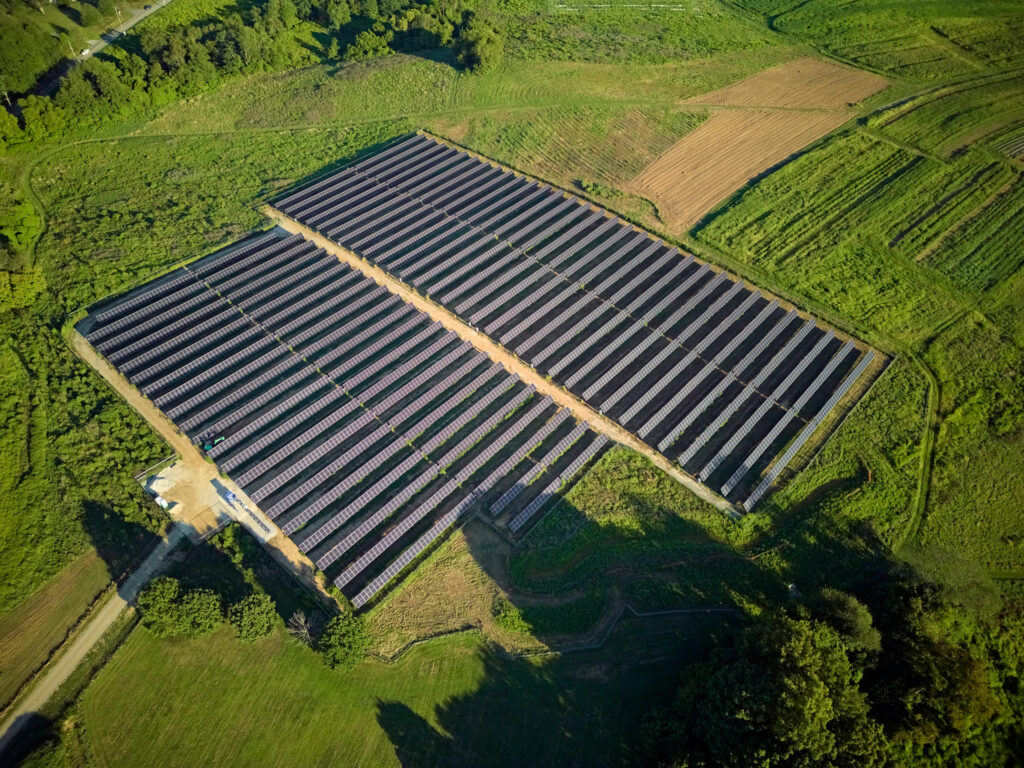
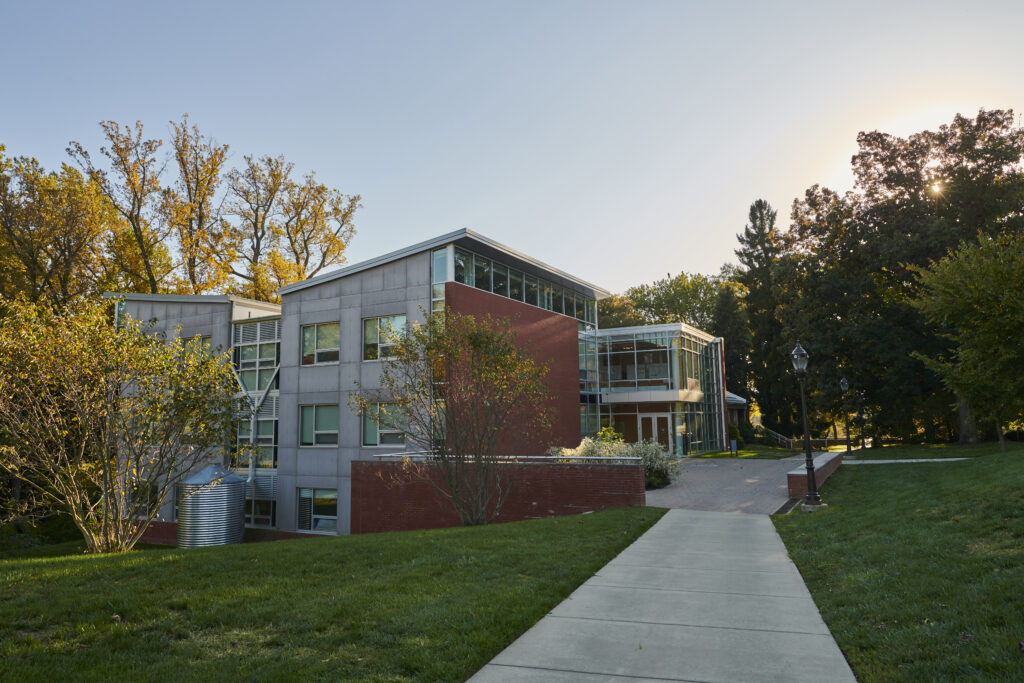
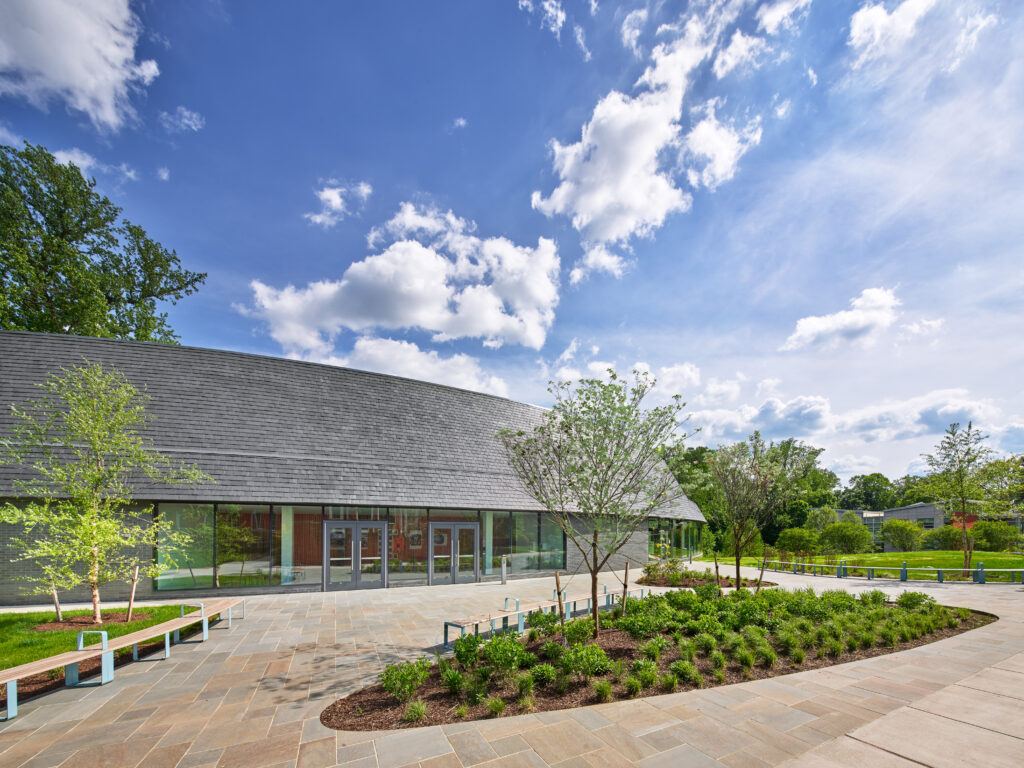
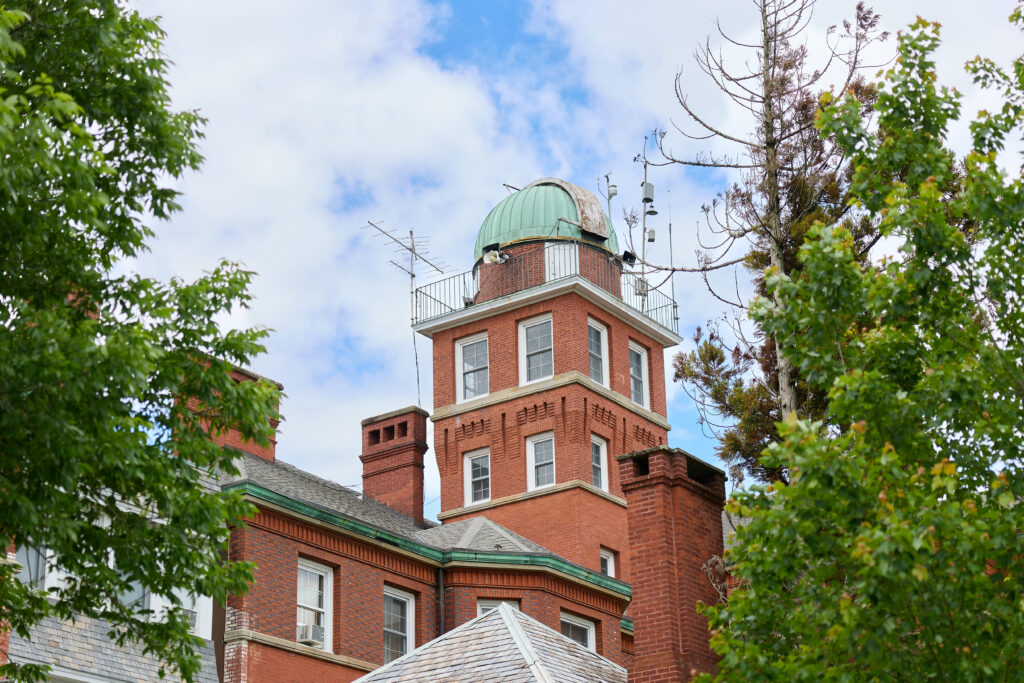
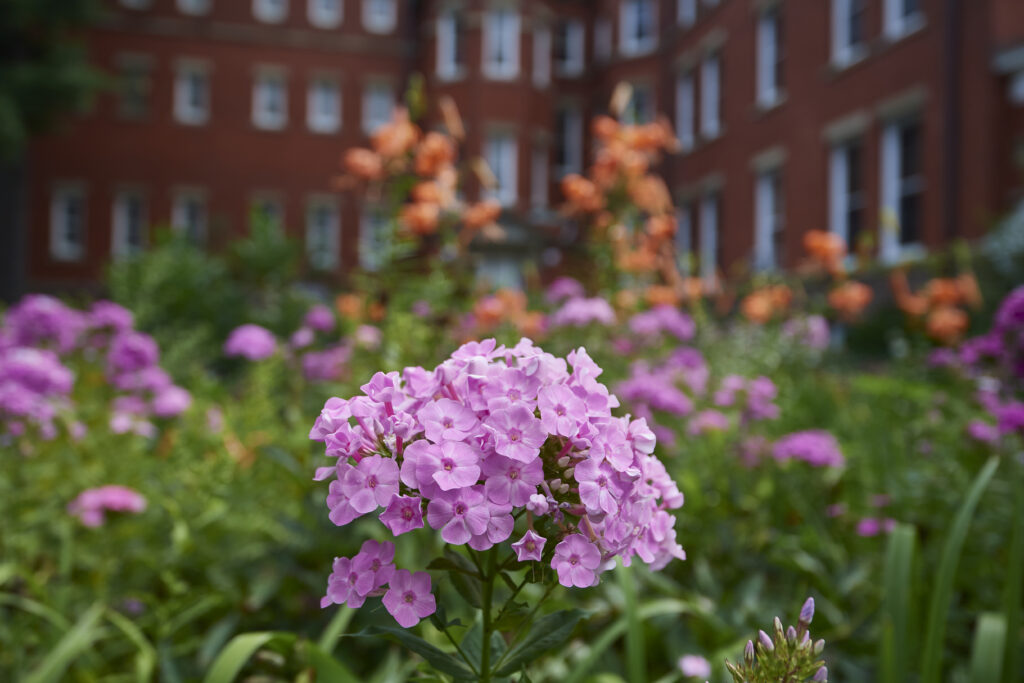
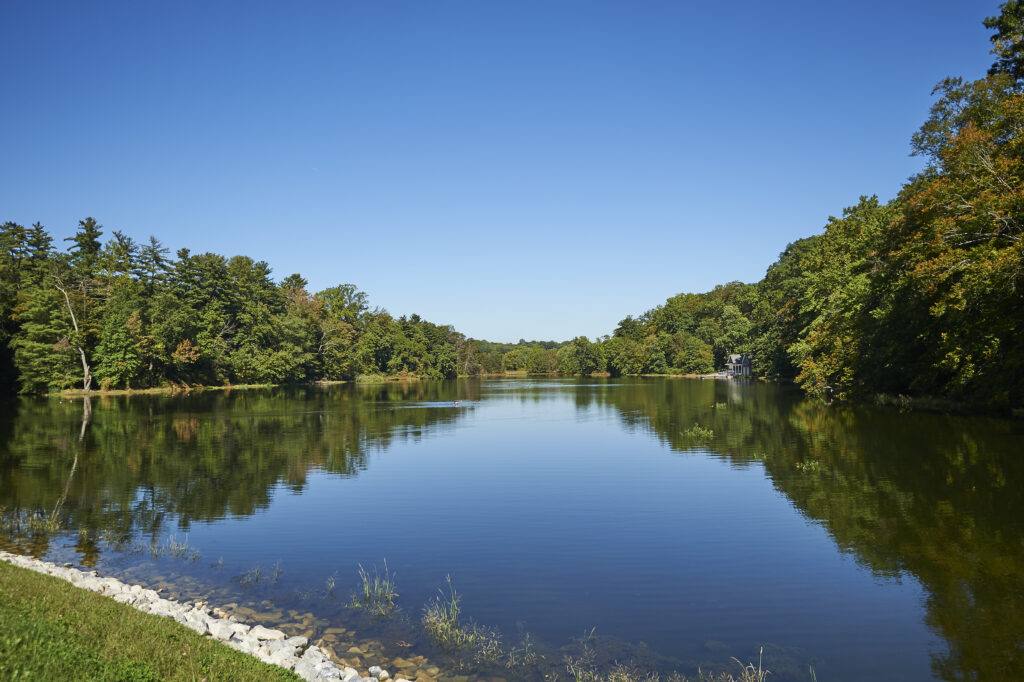
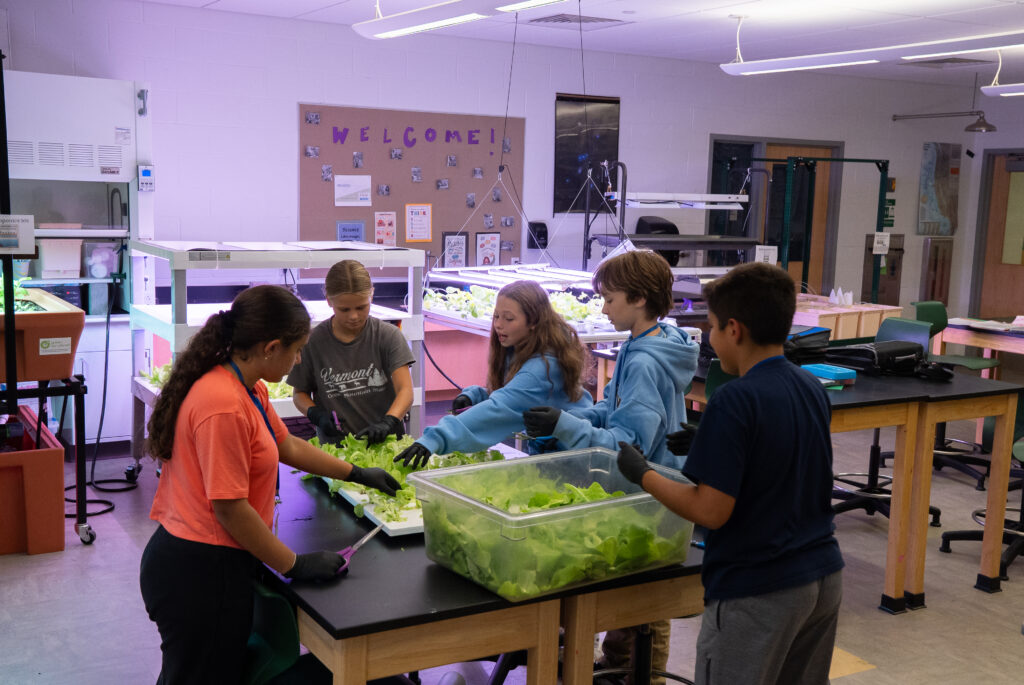
Westtown’s campus is a sustainable, living laboratory that enables faculty and students to explore natural, green space with biodiverse ecosystems and wildlife, as well as state-of-the-art facilities and renewable energy infrastructure.
Outdoor Education
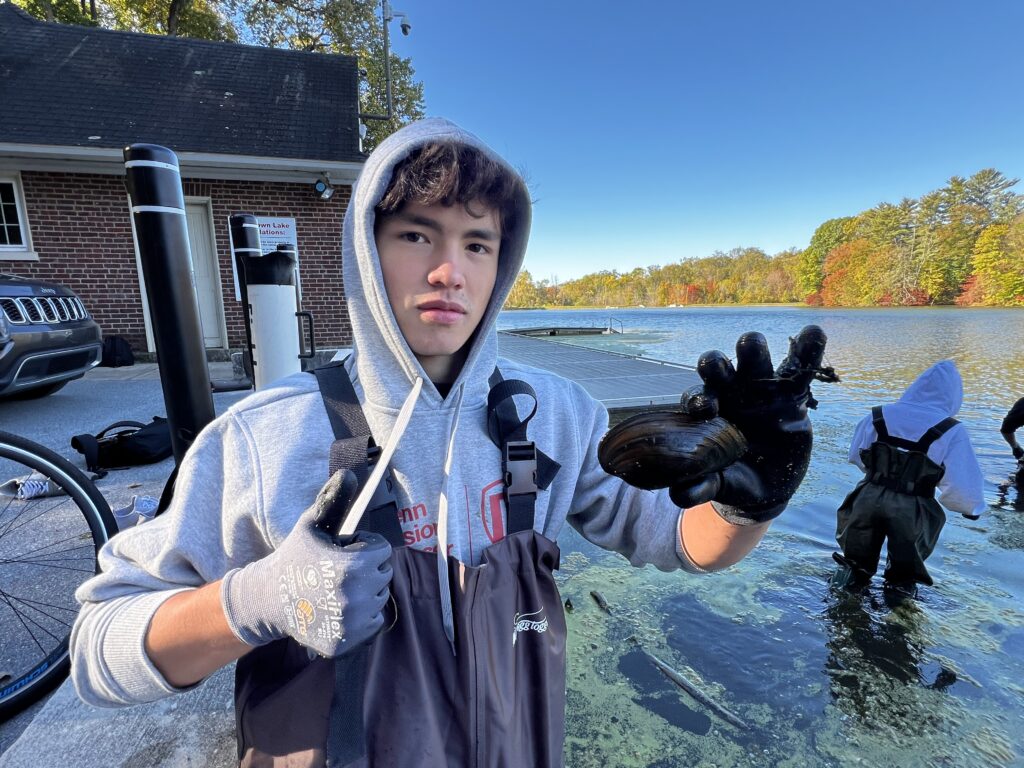
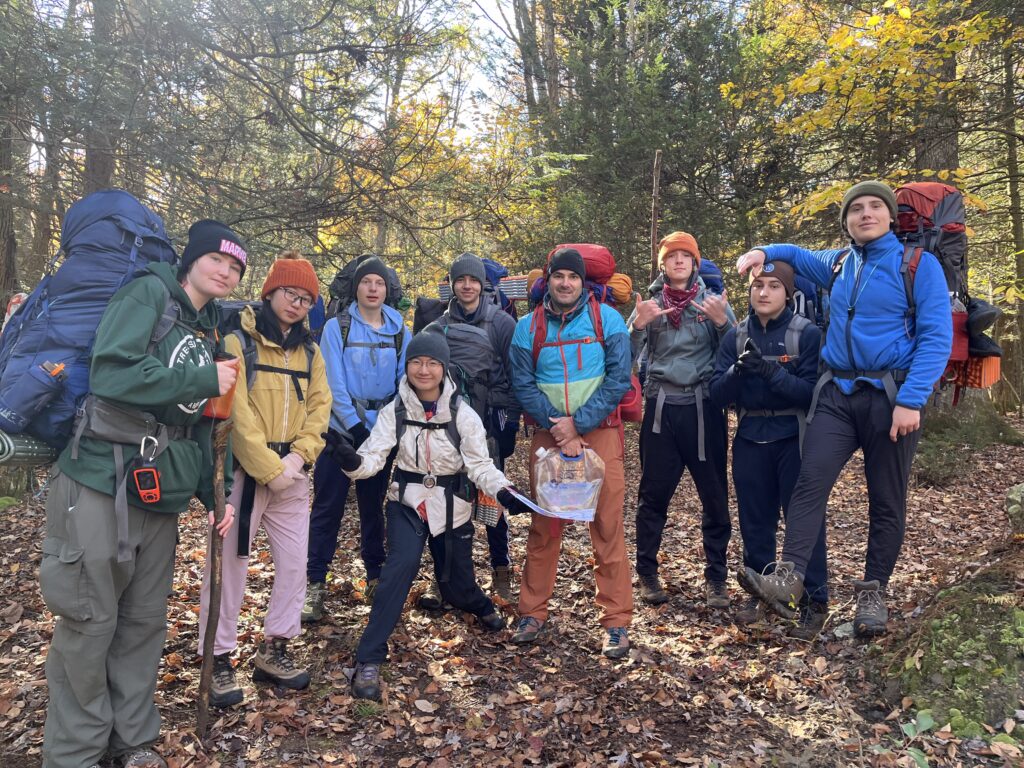
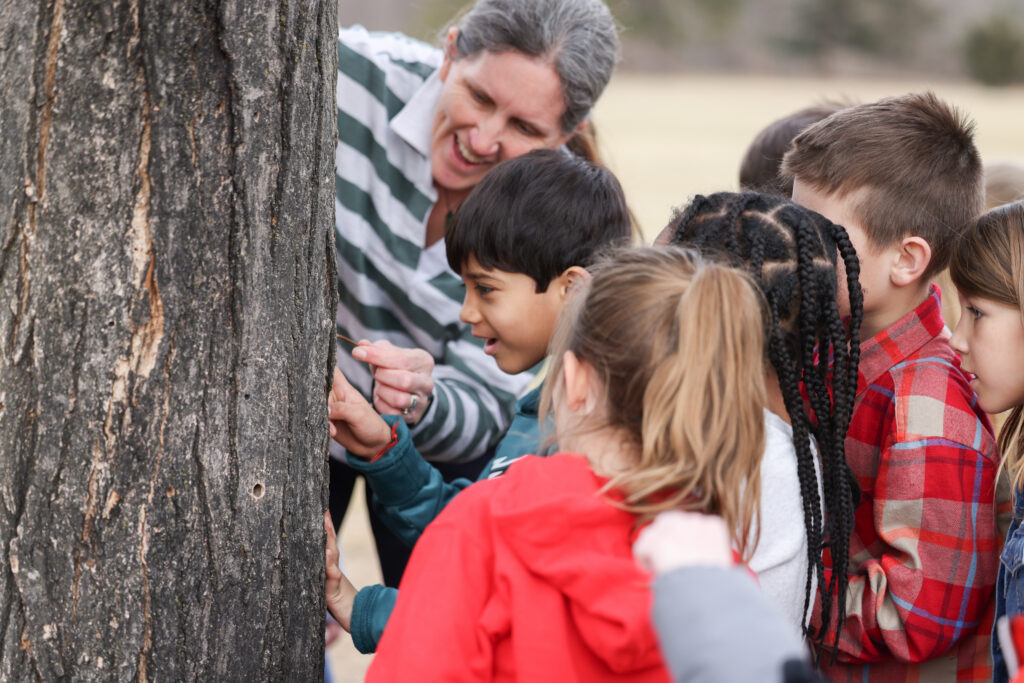
Westtown’s Outdoor Education Program weaves academic curriculum and self-discovery into real-life experiences for students from pre-K-12 through place-based and nature-based teaching. From educating students about outdoor survival skills, to extracting sap from maple trees, to canoeing and identifying plants and organisms while hiking through rugged terrain, teachers guide students to listen “to nature’s profound rhythms.” Director of Outdoor Education Chris Henwood-Costa shares, “This work—connecting with the land, exploring the outdoors, and spending intentional time in nature—is all a vehicle for self-discovery,” she says. “Who am I? How do I engage with people and how do I engage with this land? Am I taking care of myself? What is my responsibility?”
Upper School Deep-Dive Certificate in Sustainability Leadership
The Deep-Dive Certificate in Sustainability Leadership is an interdisciplinary action-based Upper School program that allows students to envision solutions to real challenges. The program consists of required course work in prescribed areas, a project in at least four other classes over the junior and senior years on a sustainability topic, an off-campus immersion experience, and an extracurricular opportunity on campus. The program concludes with a capstone project that demonstrates action-based learning and ties all of the certificate experiences into a cogent, reflective whole. Each spring, students present their capstone projects to the school community.
Global Sustainability Leadership
In 2024 and 2025, Westtown developed a signature international program that focused on climate action with a cohort of students traveling to the 29th annual United Nations (UN) Conference of Parties (COP) Climate Conference in Baku, Azerbaijan (2024), and Belem, Brazil (2025). The purpose was to provide students a unique perspective on global climate policy through the lens of the United Nations processes, providing an authentic opportunity to address real-world challenges.


