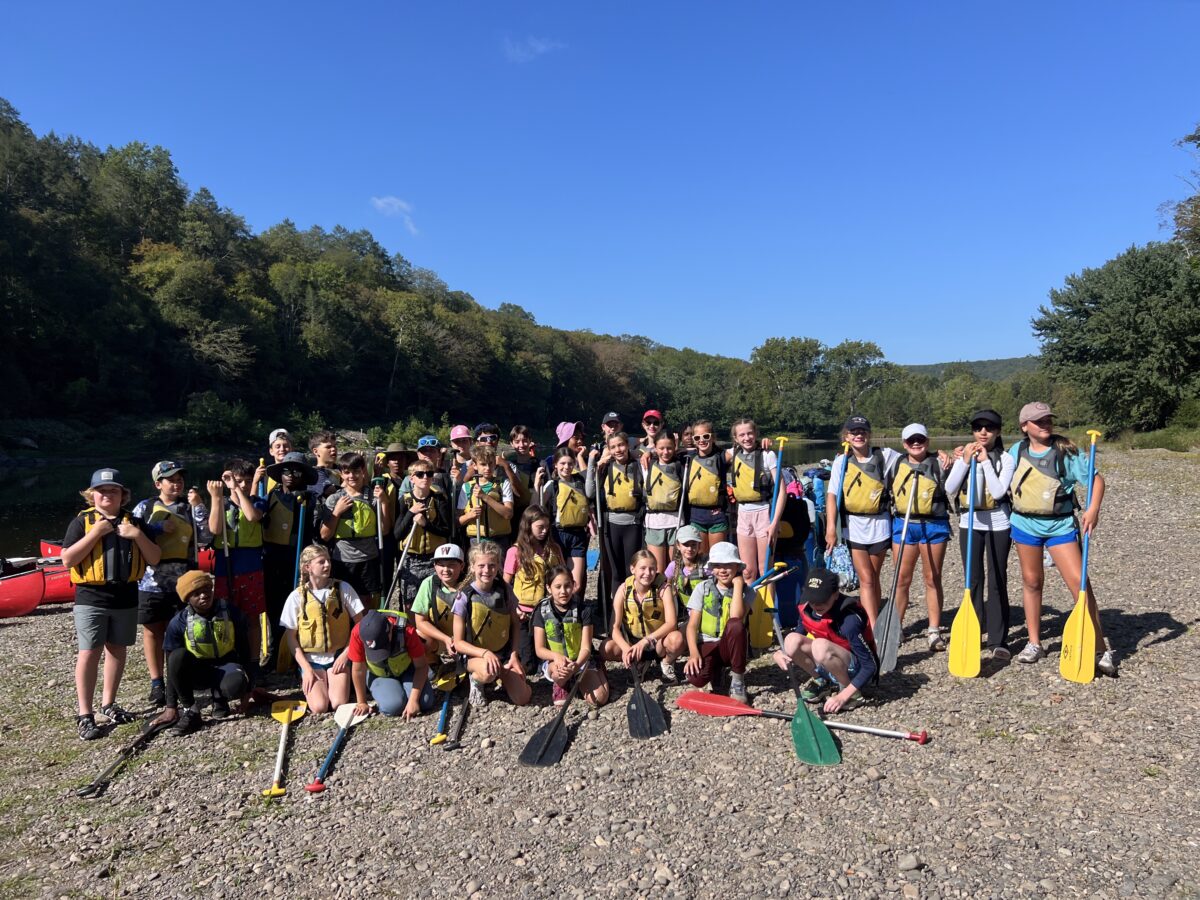
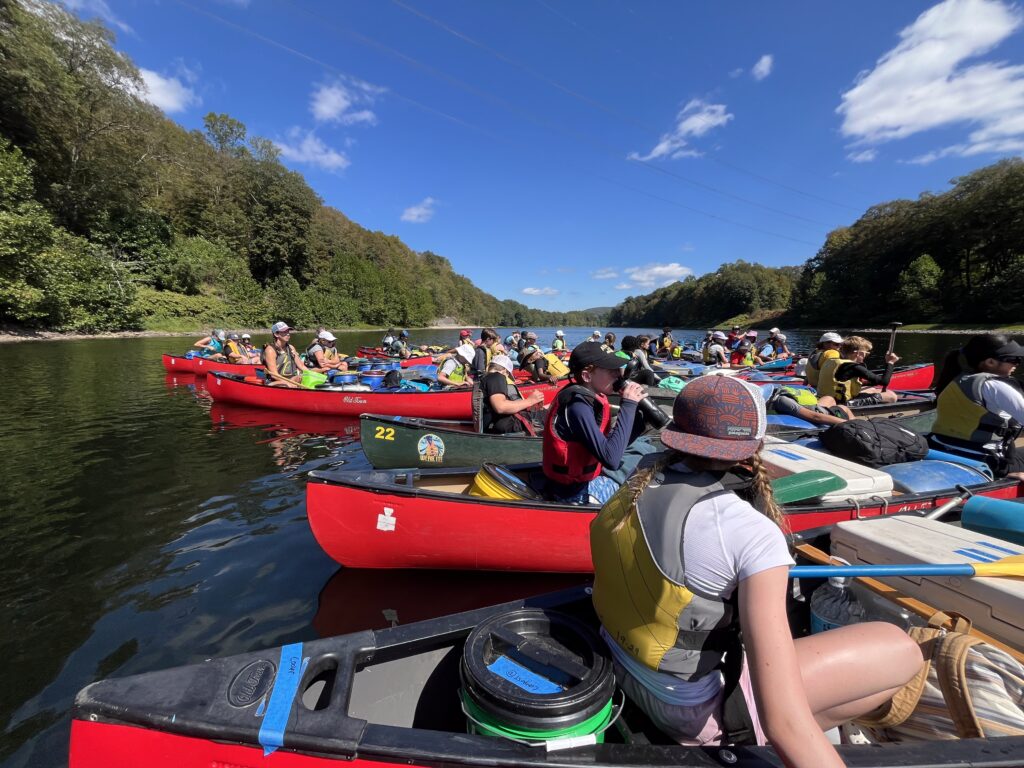
The Middle School canoe trips have been a signature program in the Middle School for over 40 years. The seventh grade’s canoe trip placement at the beginning of the school year is intentional, as this trip is often a formative experience for students, resulting in deeper relationships with peers and faculty, an increased sense of self-confidence, and a belief in their ability to overcome obstacles both individually and as a group. This canoe trip is also an integral component of community building as they enter their seventh grade year.
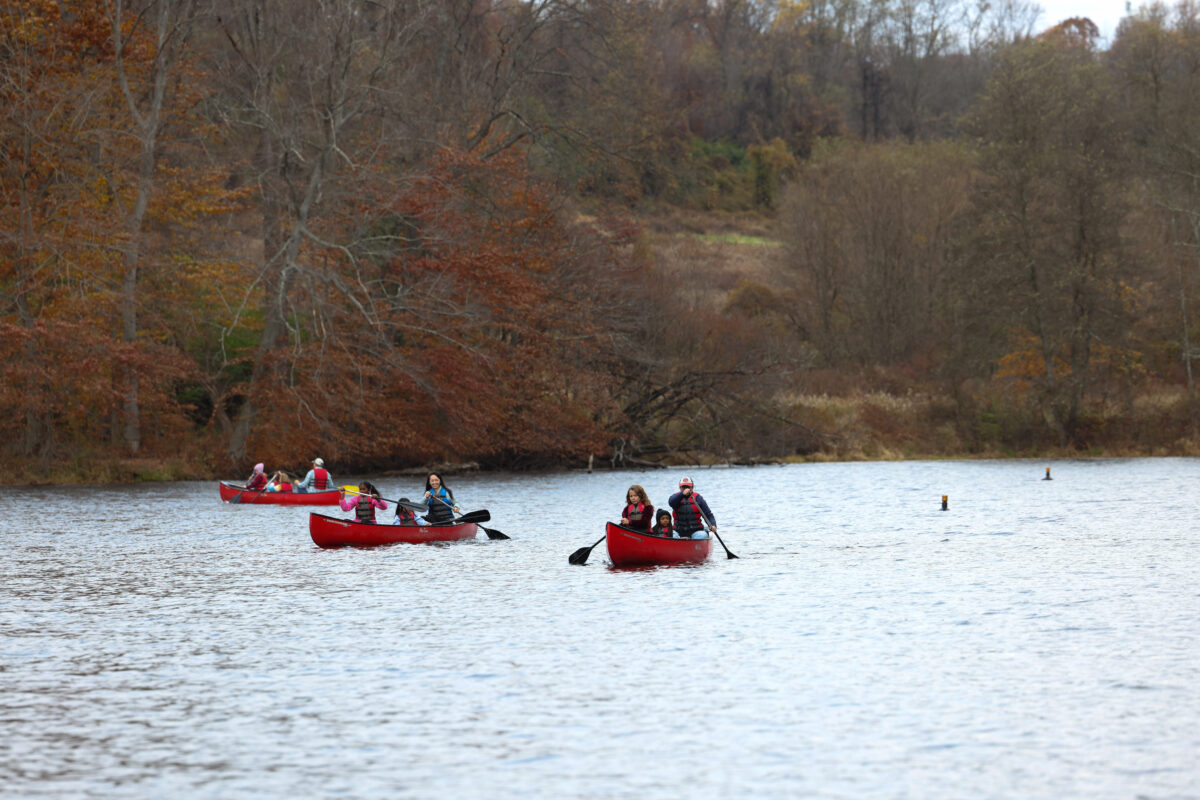
In September, seventh graders, along with Director of Outdoor Education Chris Costa, several Middle School faculty members, and a trained safety boater, paddled a section of the Delaware River located in the beautiful Delaware Water Gap Recreation Area on the border of Pennsylvania and New Jersey. They carried all supplies with them on the river and camped as they traveled downstream.
All students participated in the meaningful work of traveling as a large group down the river, which included tasks such as tent setup, meal preparation and cleanup, fire building, and canoe packing and unpacking. Students learned navigation skills and had several opportunities to practice leadership in small and large groups. In addition, students continued their understanding of Leave No Trace (LNT) wilderness travel practices that they began working on in their sixth-grade Outdoor Education program.
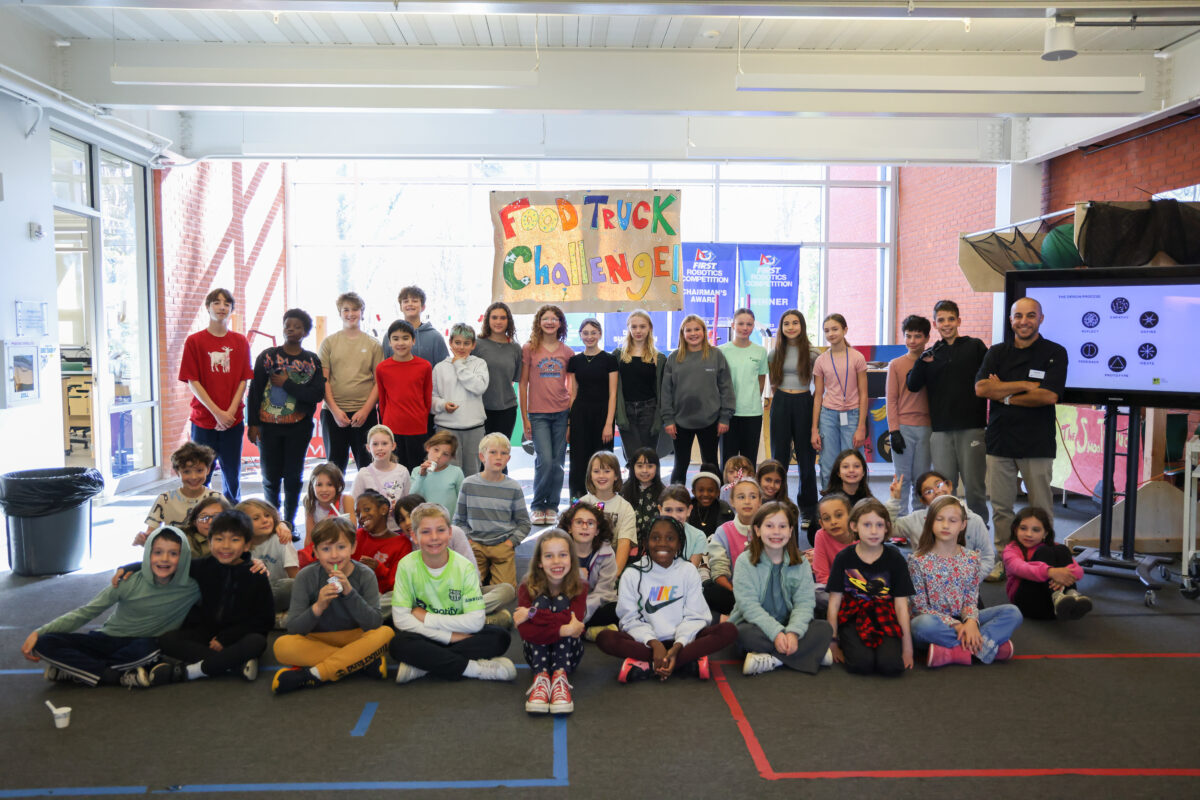
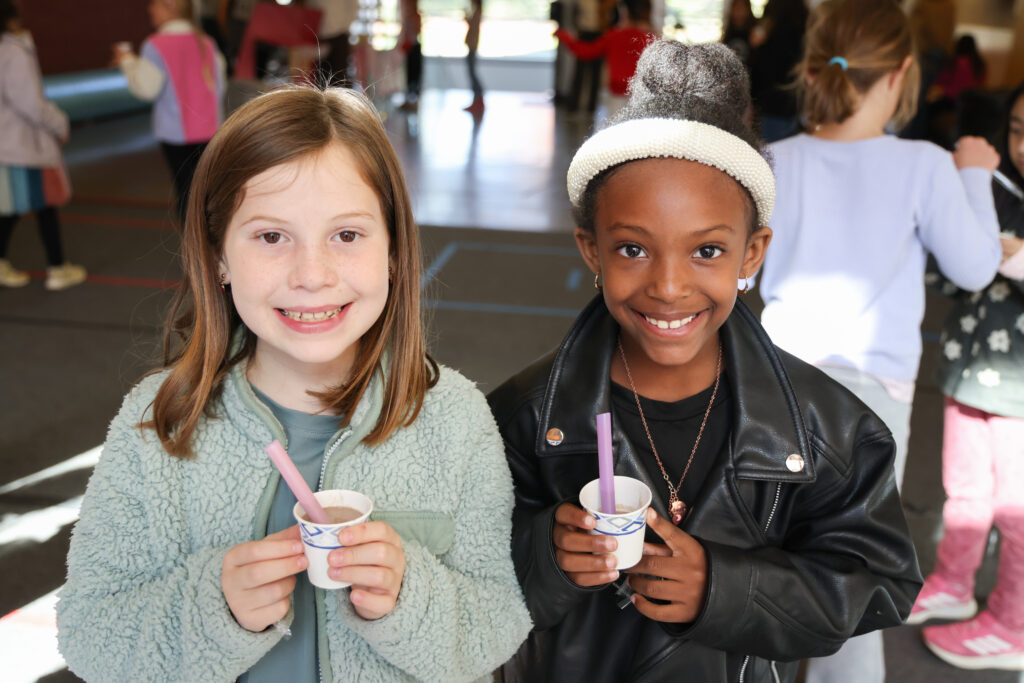
In the culmination of their Food Truck Challenge project, seventh-grade science students hosted their “customers”—the third graders. For this design thinking project created by science teacher Carlos Charriez, the seventh graders were challenged to design a food truck for their Lower School friends that focused on healthy eating. Centering the creative process on empathy, they were tasked with interviewing the third graders, considering special dietary needs, and then reworking their concepts based on feedback from their customers. At the reveal day of the Food Truck Challenge, third graders got to sample the offerings that ranged from plant-based milkshakes to grilled fruit!
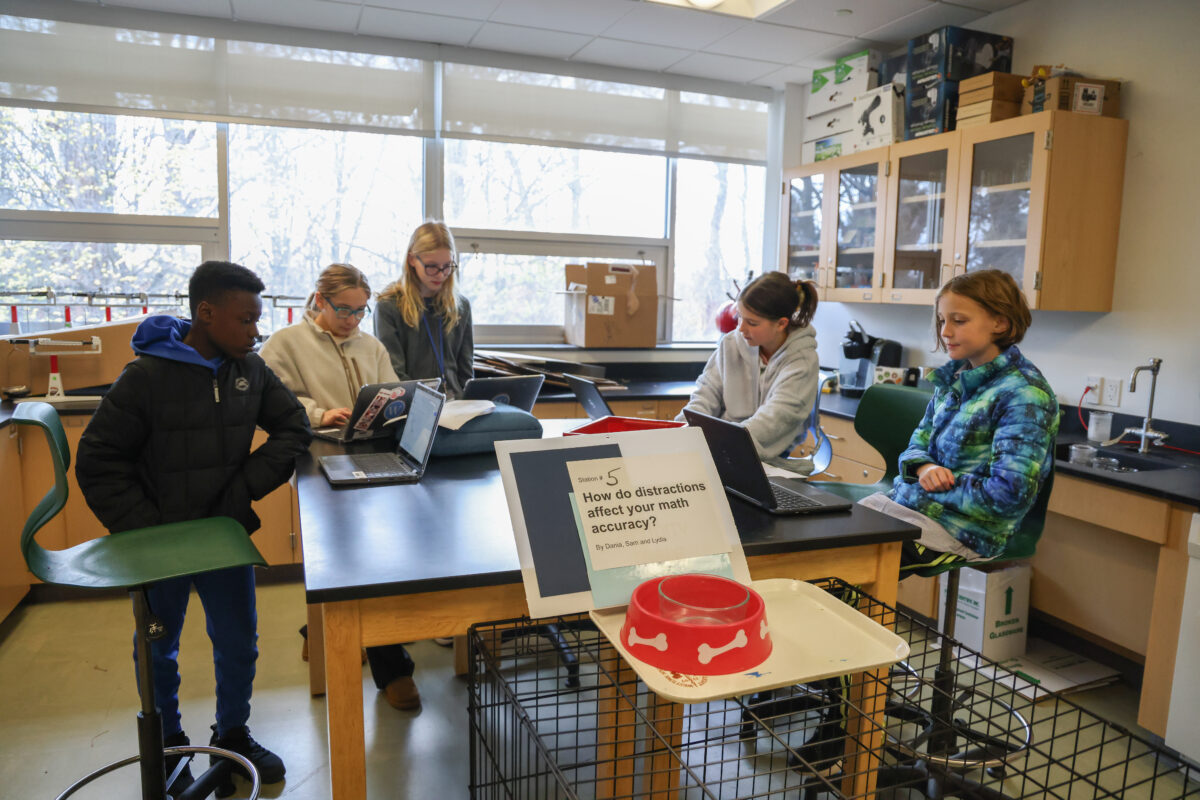
Carlos Charriez’s seventh-grade science curriculum provides abundant opportunities for inquiry, observation, and research. Over the fall term, students have engaged in experiential projects that challenge them to understand design, data, and analysis. Charriez also looks for opportunities to work across divisions, especially with Lower Schoolers. Charriez shares about these projects, “The first annual Lower School collaboration was a follow-up project to our Experimental Gardens Lab where students had a chance to apply the scientific method with the goal of understanding the factors that influence the growth of snap peas. Along the way, they learned how to design experiments, collect and analyze data, and ultimately grow and eat snap peas, which are tied into our unit on cells and the digestive system.
“To take it a step further, we decided to apply this process to human subjects—in this case fifth graders. They were given some physical and cognitive tasks to complete along with a variable that the sixth graders wanted to test. For example, one group wanted to see how encouragement influenced someone’s accuracy in shooting a basketball. Another group wanted to see how ‘pump-up’ music influences someone’s ability to do sit-ups. Each of these experiments had to be carefully designed and controlled to improve the accuracy and reliability of the results. While we couldn’t control every variable, students did their best to try and even the playing field as their fifth grade ‘subjects’ completed the task.”
The next week, the sixth grade students went to the Lower School to work with the fifth graders on documenting the results. “Our follow-up visit to the Lower School allowed the two grades to collaborate on graphing and analyzing the results,” says Charriez. “As this is something we do quite often in sixth grade, students were able to teach the fifth graders how to create a simple graph using Google spreadsheets, along with real-time data collected from their experiments.”
Although the fifth graders were the “subjects” of these experiments, it was a learning experience for them as well. Lower School science teacher Colby Van Alen shares, “This was a wonderful opportunity for fifth graders to not only interact with sixth graders, but to also have a sample of what is to come in sixth grade science. This collaboration sparked their imaginations into what experiments entail as well as a deeper understanding of variables and data collection, and how what seems like a simple idea can be stretched and tested. It was such an engaging and fun collaboration! Fifth graders are certainly looking forward to their turn at designing experiments next year.”
Fourth graders spend the fall term learning about the Lenape people who were the first people to live on the land that is now our campus. Their studies culminated in their Lenape Celebration Days, a way to honor and celebrate the Lenape while enjoying the beauty of this campus.
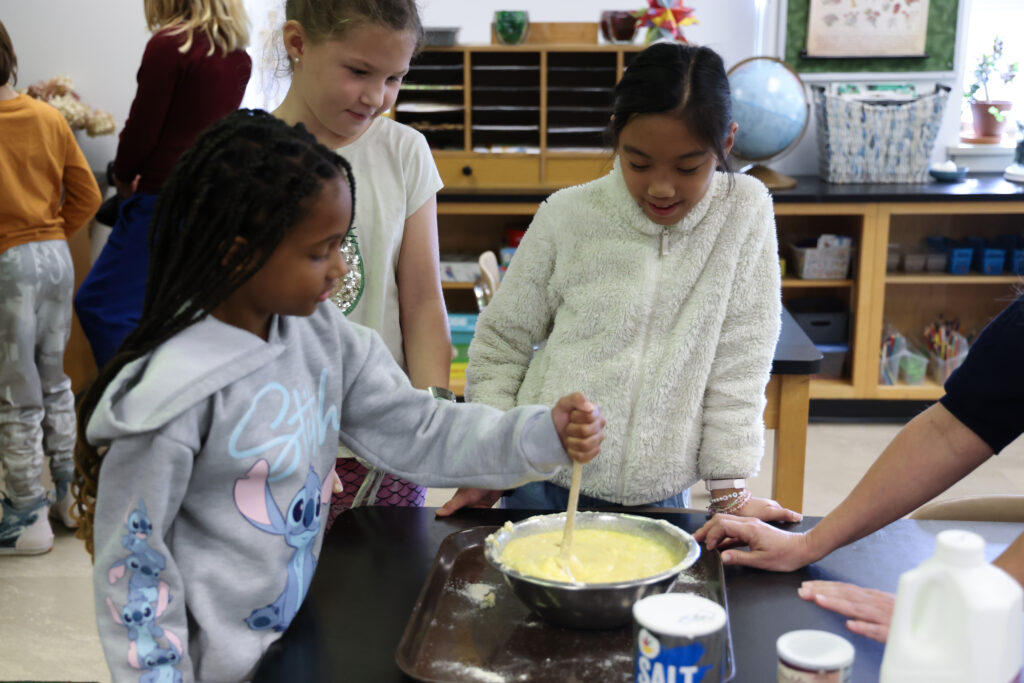
Teachers Shelagh Wilson and Marion Dear, along with parent volunteers, made soup and snacks with students using traditional Lenape crops, went for a hike on campus, and canoed on the lake. They also played traditional Lenape games. Other campus activities included time on the ropes course, a cookout at the lake, a sunset Meeting for Worship, and making s’mores at the fire circle.
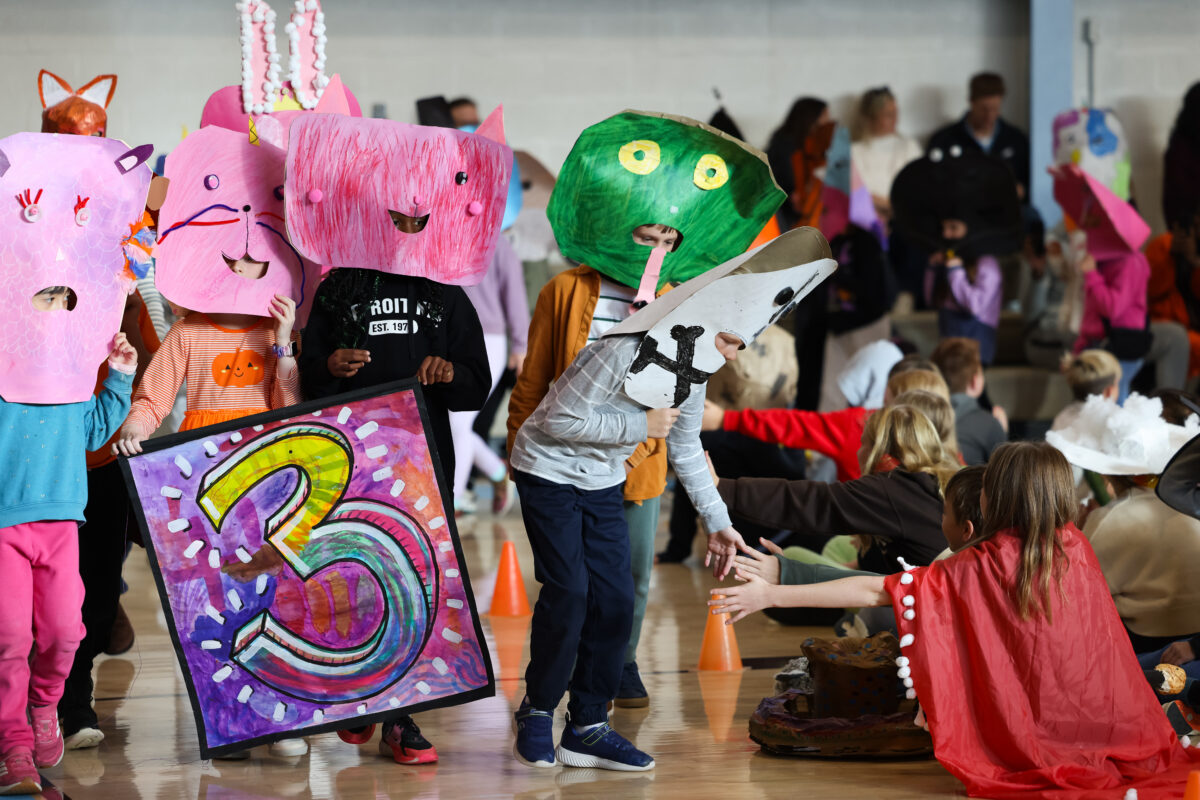
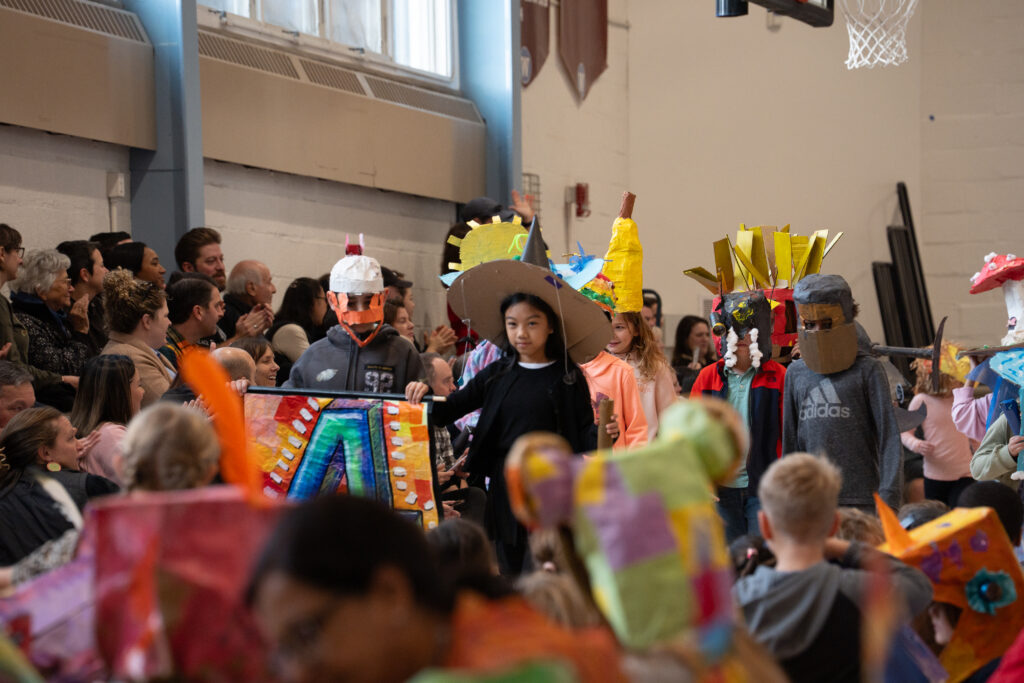
Is it even Halloween without the Lower School Mask Parade? Our youngest artists each designed and created their one-of-a-kind mask in their art classes using recycled materials and various supplies. As is our beloved tradition, Lower School students paraded around Coach Downey Court to show their creations to the adoring crowd! See more masks here!
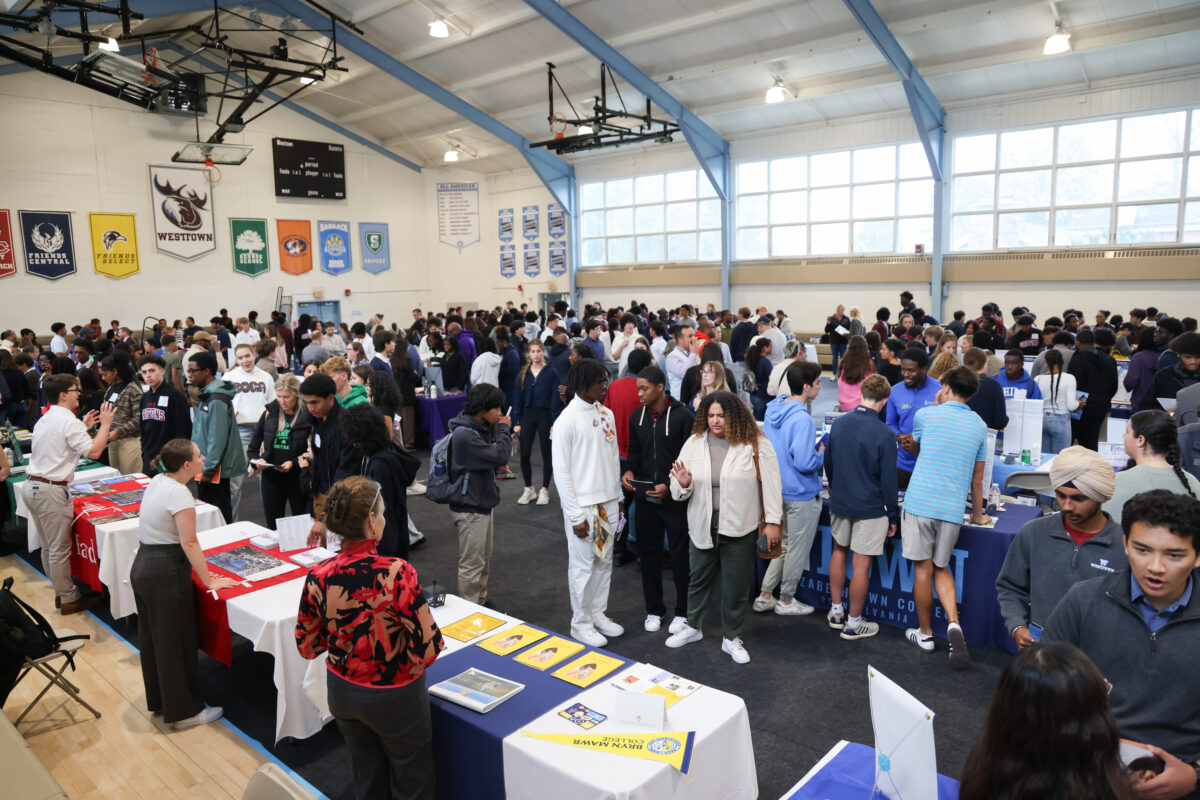
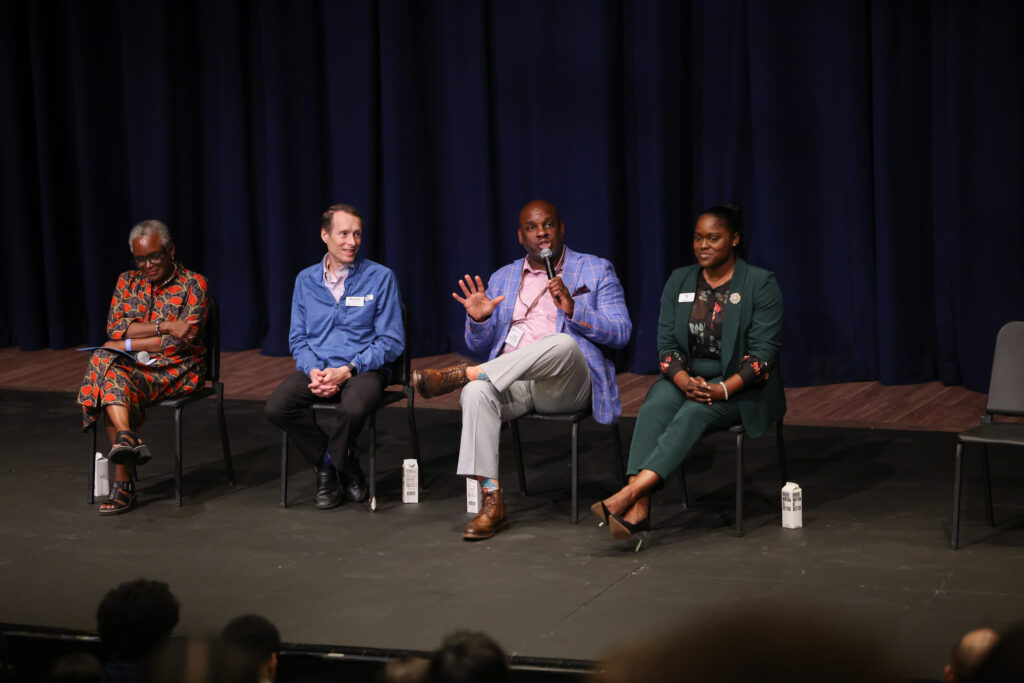
More than 300 students and their families attended this year’s Equity and Access Conference and College Fair. Westtown has hosted this biennial conference and college fair since 2005 with a goal of creating space for substantive conversations with students and their families regarding issues of belonging, equity, access, inclusion, and allyship in the college application process. The event had a variety of panel presentations, student-led discussions, and a college fair with nearly 100 colleges represented.
Many alums and current students participated as well! Tray Hammond ’18, Shereem Herndon-Brown ’92, and Brennan Barnard ’92 all presented various sessions, and Shereem and Brennan were part of the keynote panel. Jess Lord ’90 represented Haverford at the college fair. Jhan Setthachayanon ’22 (Yale), Jon Ebataleye ’23 (MIT), Sydney Kostal ’23 (Santa Clara), Kaelin Martin ’24 (Spelman), Abena Onyinah ’24 (Davidson), and Lucia Sanchez ’24 (Swarthmore) joined the Young Alums Panel on Zoom. Current seniors Logan Luo, Tiantong Hu, Lucy Smith, Tessa Kipnis, Addison James, Angela Wang, Insaaf Imtiyaz, and Melissa Freeman all led sessions about various kinds of student activism.
It was a wonderful event and we’d like to thank our amazing College Counseling team, alum and student participants, volunteers, and all who helped make it such a success!
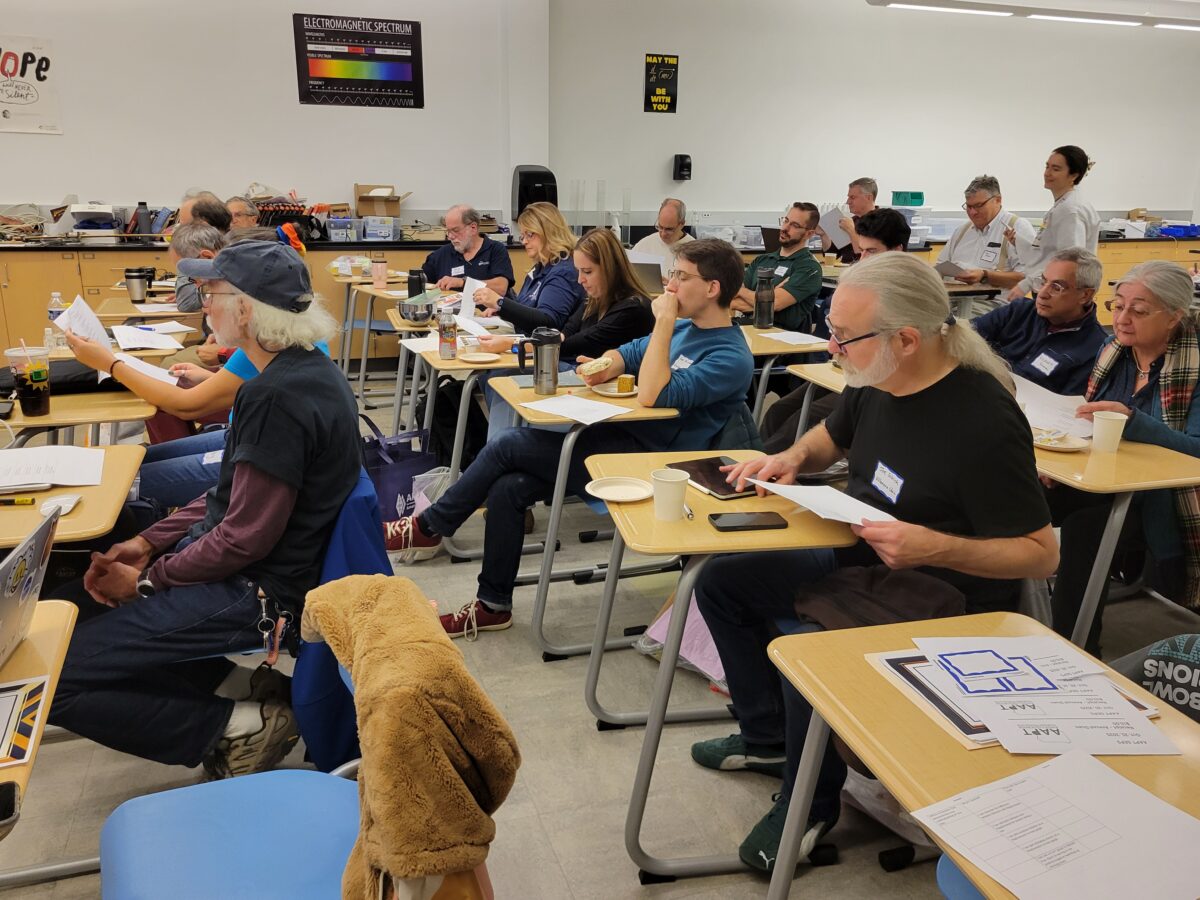
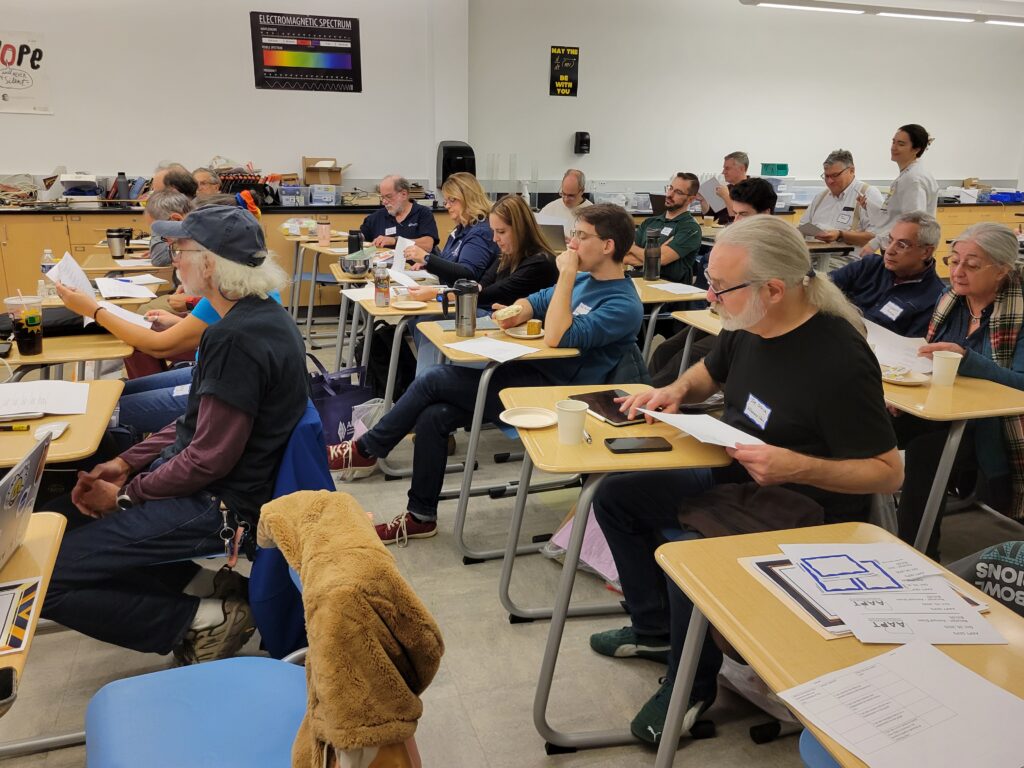
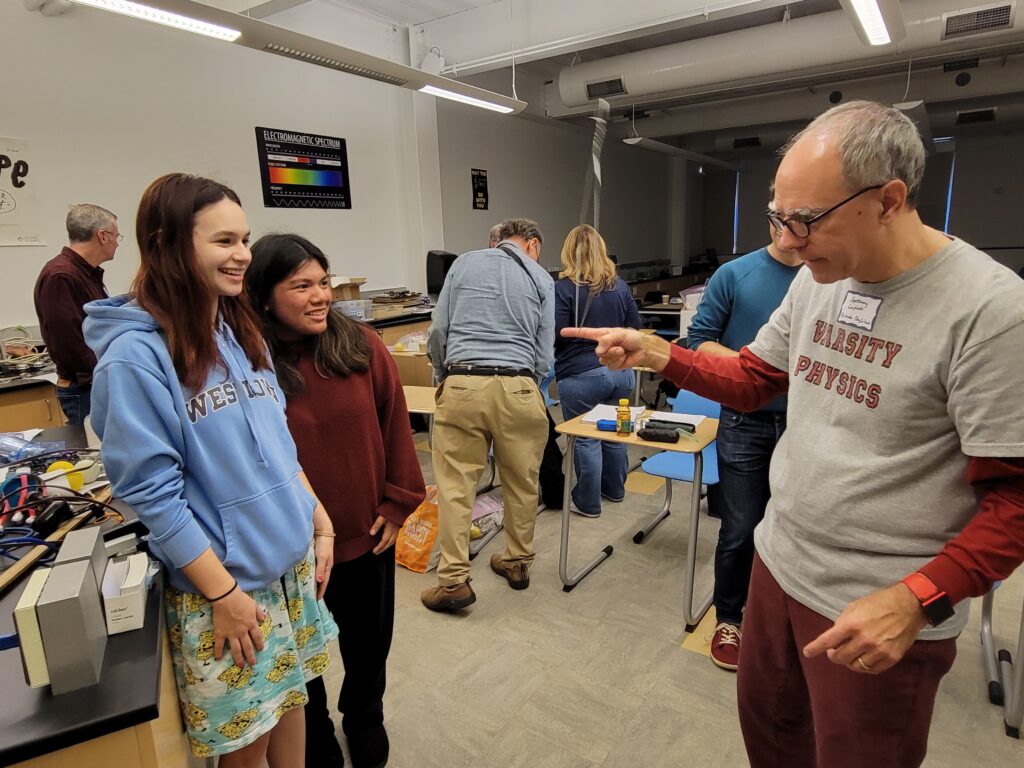
On October 25, Westtown hosted the Southeast Pennsylvania Section of the American Association of Physics Teachers’ annual Demo Day. Physics teachers around Philadelphia and its neighboring areas (both active and retired) flocked here to share resources and ideas for physics demonstrations to use in classrooms. The attendees included high school teachers, college professors, and retired physics educators, including Westtown’s own former teacher Barry Feierman.
Niral Desai, who teaches physics here at Westtown and helped host the event, shared, “At the meeting we learned about ways to examine rotational motion, wave interference, electric fields, mechanical tension, general relativity, dark matter and much, much more within the confines of our classrooms. The attendees were all very grateful to Westtown for hosting this event, and all left with new perspectives and tools for teaching physics. We look forward to the next opportunity to host science conferences such as these!”
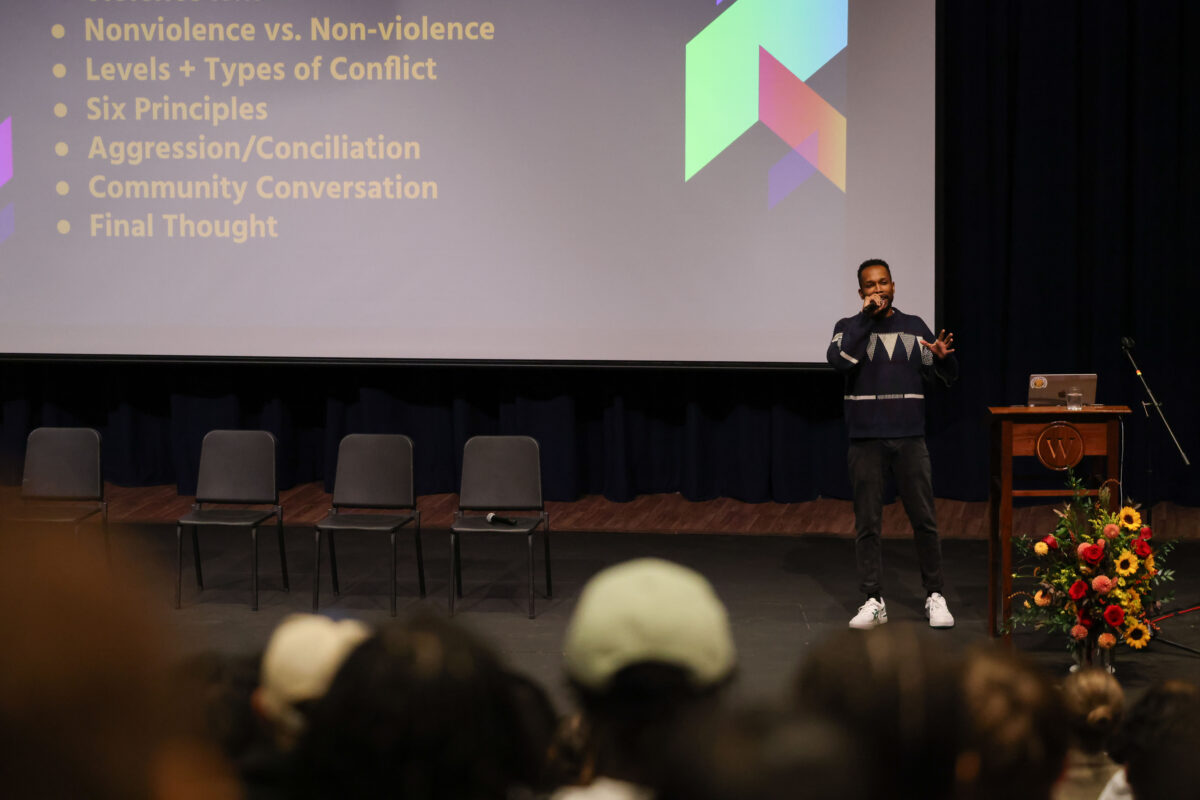
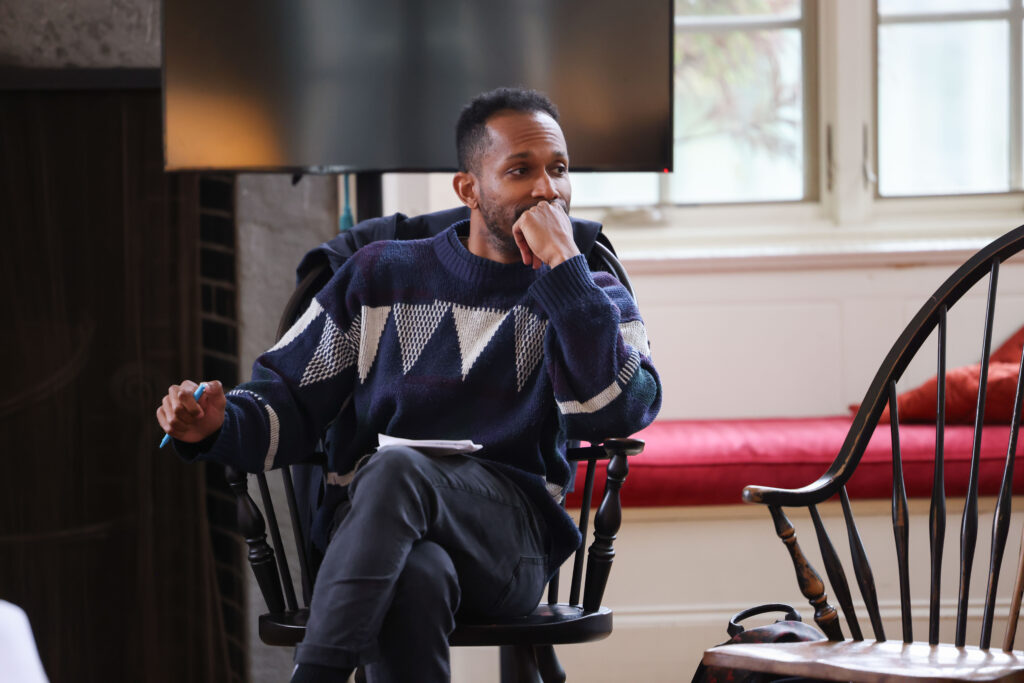
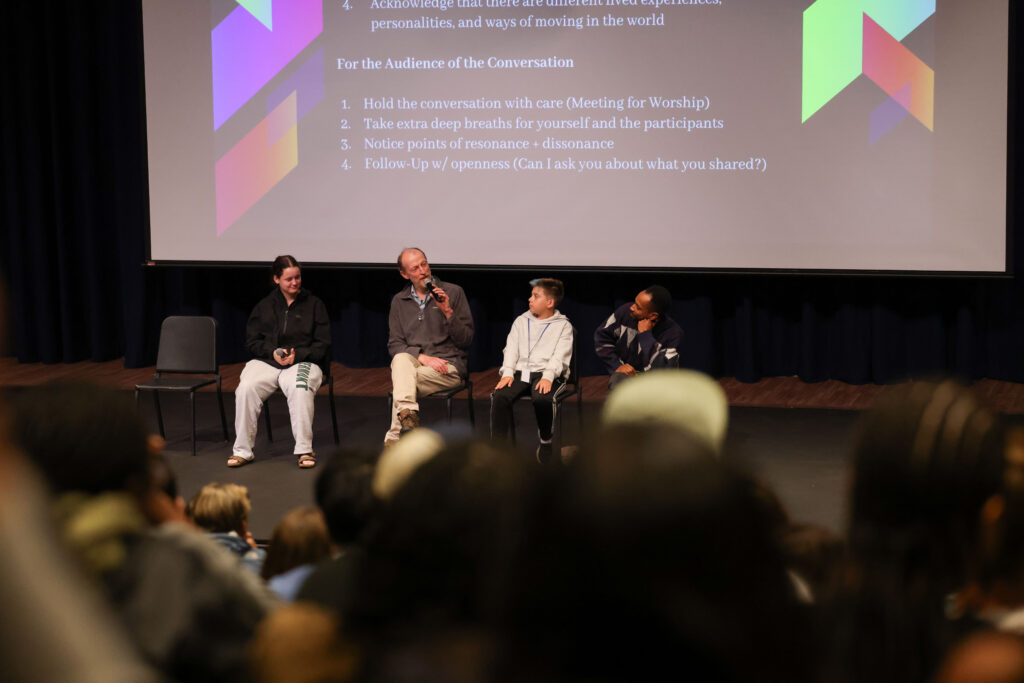
Dwight Dunston, a West Philly-based facilitator, hip-hop artist, educator, and activist, gave an assembly for our 7th-12th grade students about his work and Kingian Nonviolence, a philosophy and methodology for nonviolent conflict reconciliation developed from the work of Martin Luther King Jr. During the assembly, he led a few exercises with the audience and volunteer panelists, which inspired reflection and conversation.
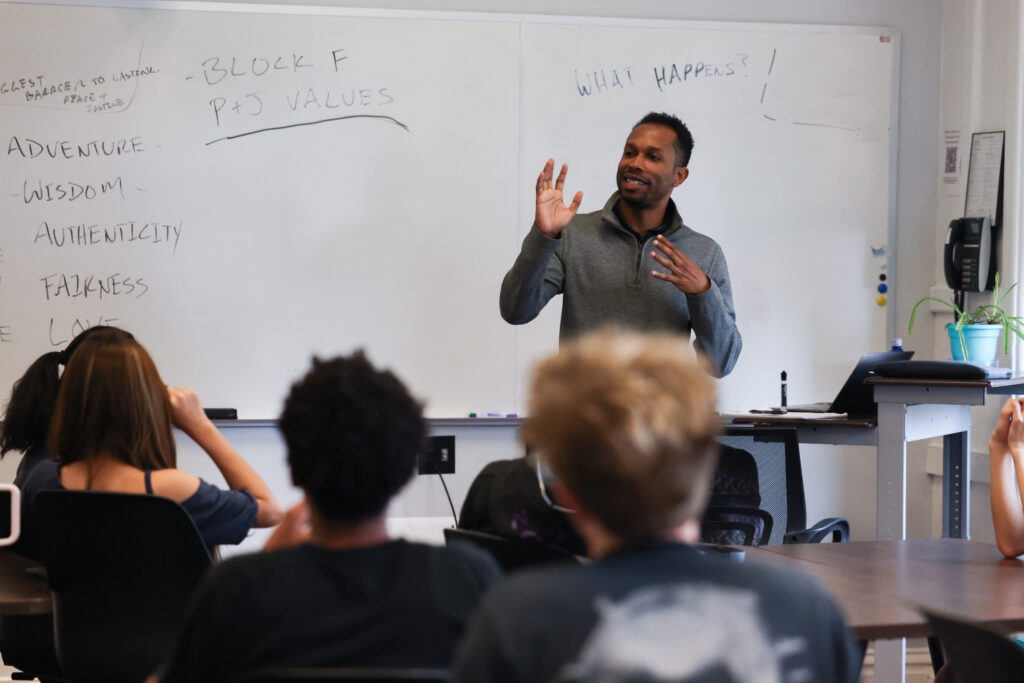
Dwight also visited history teacher Marissa Colston‘s Peace and Justice class and religion teacher Lara Freeman‘s Environmental Justice class to discuss Kingian Nonviolence, and there was also an open session in the South Room for students to drop in and talk with Dwight to learn more about his life and work.
The following is an excerpt from the Friends Council on Education’s newsletter. The piece was written by Nic James and edited by Westtown’s Kelly Yiadom, Director of Equity, Justice, and Belonging for Lower and Middle Schools, and Anne Burns, Dean of Communications. Photos courtesy of Westtown School.
SCHOOL SPOTLIGHT
Westtown School is supporting student conversations around Native American Heritage through several authentic initiatives and programs.
All-School Initiatives
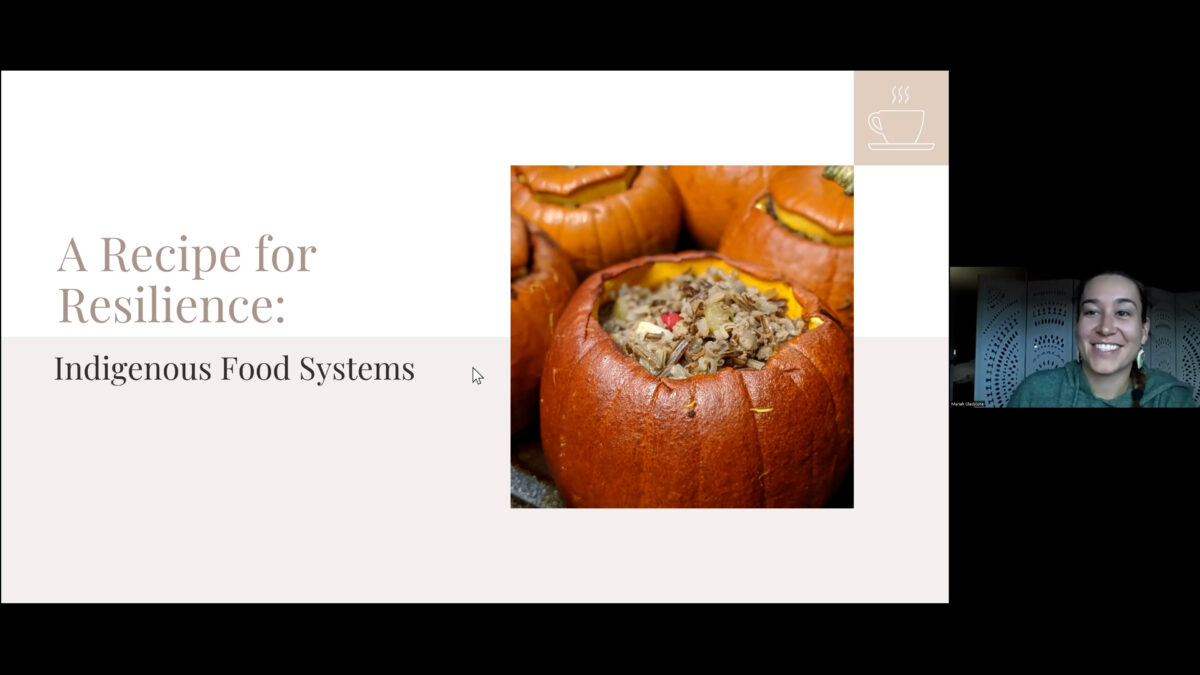
Westtown’s Equity, Justice, and Belonging team partnered with Beth Pellegrino, Director of Dining Services, to bring Mariah Gladstone to all three divisions of the school as a virtual speaker. Gladstone, an enrolled member of the Blackfeet and Cherokee Nations, is an environmental engineer, chef, and founder of Indigikitchen, an online platform dedicated to Indigenous food traditions and food sovereignty. Her presentation introduced students to the connections between culture, health, and land stewardship and highlighted the importance of preserving Indigenous knowledge.
Lower School
Lower School students welcomed Delaine “Dee” Tootsie-Chee, the grandmother of one of the students, to visit during their weekly Gathering. Tootsie-Chee is a member of the Hopi Tribe and belongs to the Asah/Roadrunner Clan. She demonstrated elements of Hopi hand-pottery making—sharing how she learned by observing her maternal clan relatives and describing traditional methods for pigmentation and burnishing with river stones, among other techniques.
Middle School
Over the summer, 8th graders read Braiding Sweetgrass by Robin Wall Kimmerer. The story of sweetgrass parallels the experiences of Indigenous peoples facing displacement and the loss of ancestral lands to invasive species.
Also, along with their teachers, a few Middle School students with Native American heritage presented to their classmates this month. The goals of their presentation were to expand knowledge of and connection to Native Americans, celebrate the varied contributions of First Peoples to society, past, present, and future, and to move beyond recognition toward accountability and action.
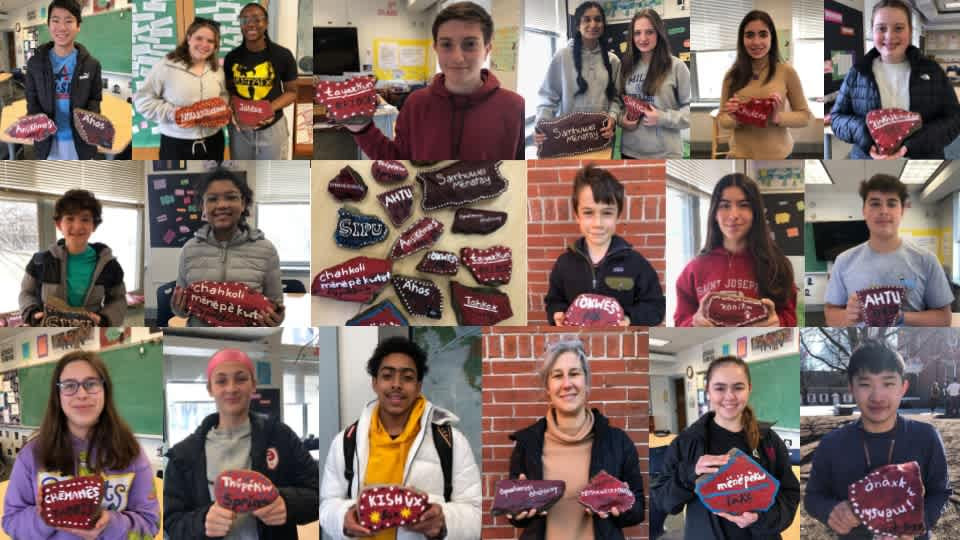
Finally, Lenape Voices is an ongoing art and service project that seeks to honor more than 10,000 years of Lenape stewardship of the land. Throughout campus, 21 painted stones (ahsëna) display Lenape words and English translations. Visitors are invited to reflect on both the absence and presence of the Lenape people in this place.
Upper School
During Community Collection (the Upper School’s weekly student and faculty gathering), one of four Upper School students whose roots extend into an Indigenous nation spoke to their perspectives on ancestry, identity, relationship with the natural world, and governance systems built on peace, equity, and a collective responsibility. They urged their school community to not only remember the gifts and challenges of their heritage but also recognize their present and their future.
Excerpt from remarks by Oronhiatehka Maracle ’27: “So as we celebrate Native American Heritage Month, let’s not confine our thoughts to the past. Let’s look forward to the faces yet to be born, to the futures yet to unfold.
We are not relics. We are not victims. We are nations who endure.”
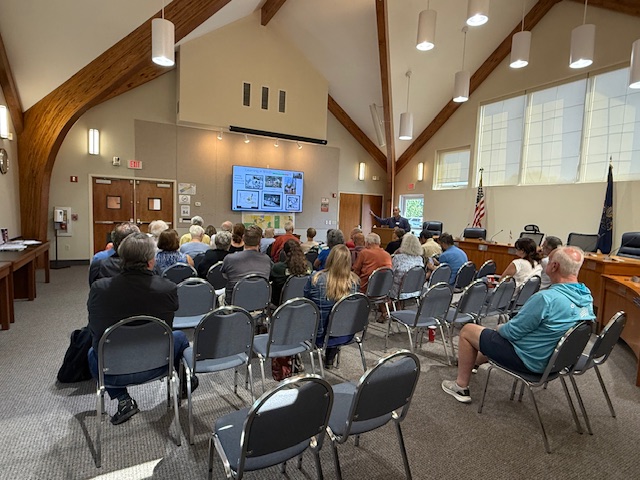
On September 20, Joseph Daniels, Chair of Westtown’s History and Religion Department, offered a presentation on the history of Westtown School and Westtown Township’s Quaker tradition. With support from School Archivist Sara Mullen, Daniels traced the story from the Lenape roots of the land and the arrival of Quakers, to the founding of Westtown School as a boarding school envisioned by Philadelphia Friends in the late 18th century, to the present day.
Highlights included the story of John Dickinson—known as the “Penman of the Revolution”—who advocated for the creation of a Quaker school, and the history of James Gibbons, who received the land as a wedding gift in 1708 and whose descendants sold it to Philadelphia Yearly Meeting in 1795 for the new school. Daniels explored how Quaker ideals of “useful and practical” education shaped the student experience, how the township and school influenced one another across the 1800s and 1900s, and how these traditions continue to inform Westtown today.
The presentation was warmly received by an enthusiastic audience, offering a window into the connection between community, land, and Quaker education.