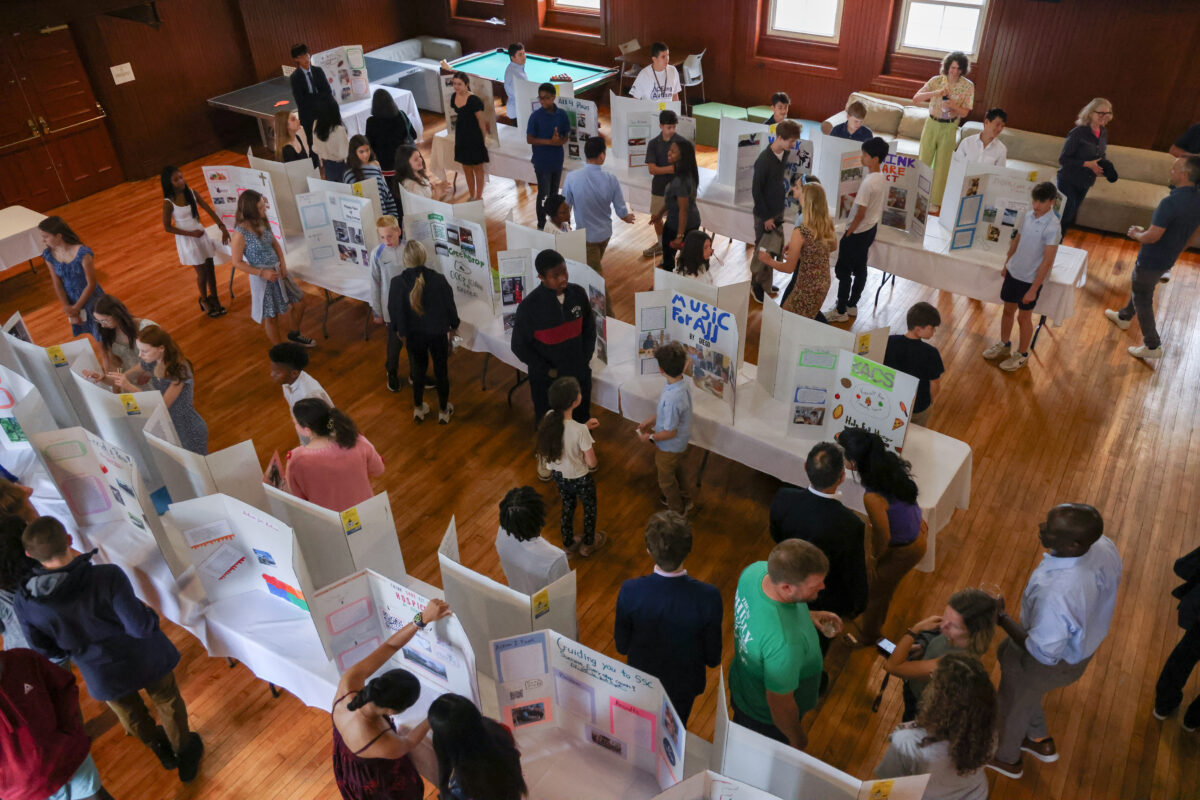
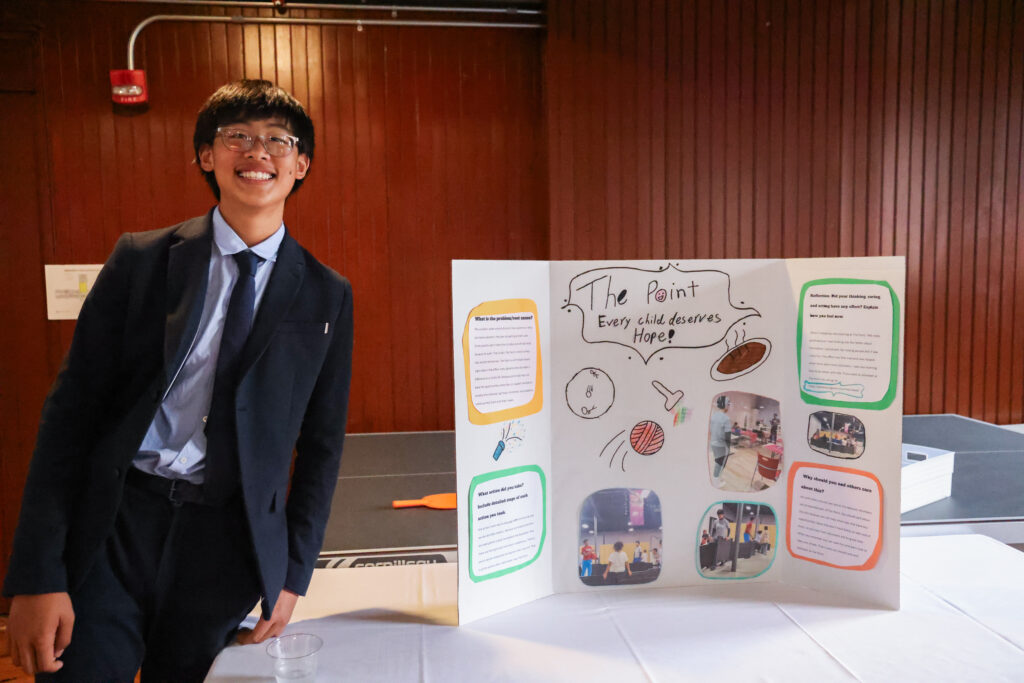
The seventh grade Think, Care, Act project is the culmination of students identifying their strengths, interests, and talents, focusing on what they care about in their communities and world around them, then choosing a service project or organizationto donate time to related to these strengths and interests. Each student does 10 hours of service, which together makes 400 hours of community service performed by seventh graders! The Think, Care, Act Fair is the culmination of these projects and was held in the Uptown Lounge where students presented tri-folds describing their services projects and shared their experiences with parents, teachers, and fellow students. Well done, students, and shout to teacher Abby Lausch who created and shepherds this project!
As the premier biology competition for high school students in the United States, the USA Biolympiad (USABO) enriches the life science education of nearly 12,000 talented students annually. It provides the motivation, curricular resources, and skills training to take them beyond their classroom experience to the level of international competitiveness. Westtown students have competed in the national exam for the past two years.
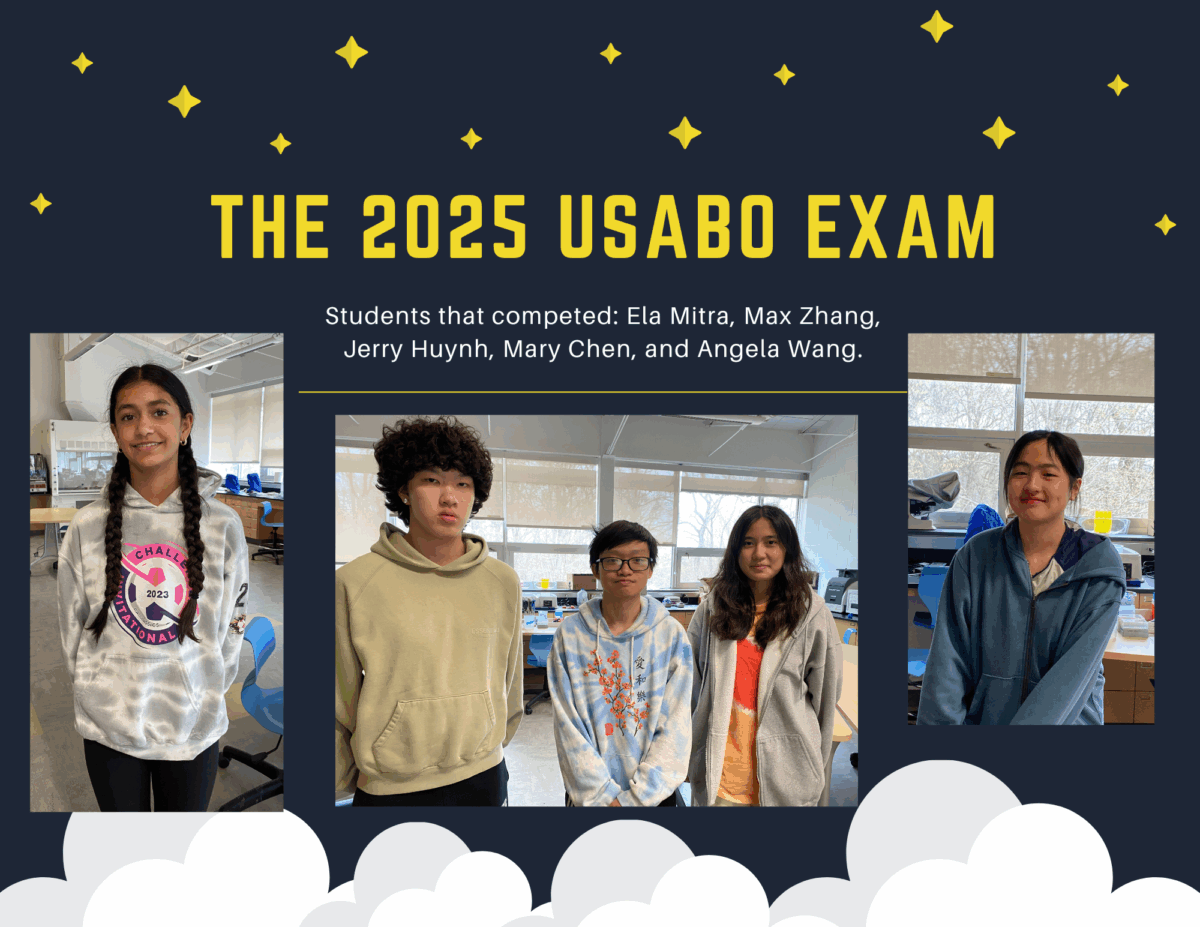
This year, five students took the exam, administered on February 6 after school by science teacher Leslie Barr. They are:
Max Zhang ’26
Jerry Huynh ’25
Anqi (Angela) Wang ’26
Ela Mitra ’28
Mary Chen ’27
Of these students, Angela Wang qualified for semifinals. This semi final exam was during our spring break, (and only open to US residents). Angela has qualified for this honor for two years now, and has represented our school very well.
Please join us in congratulating all of this year’s participants in this national academic competition!
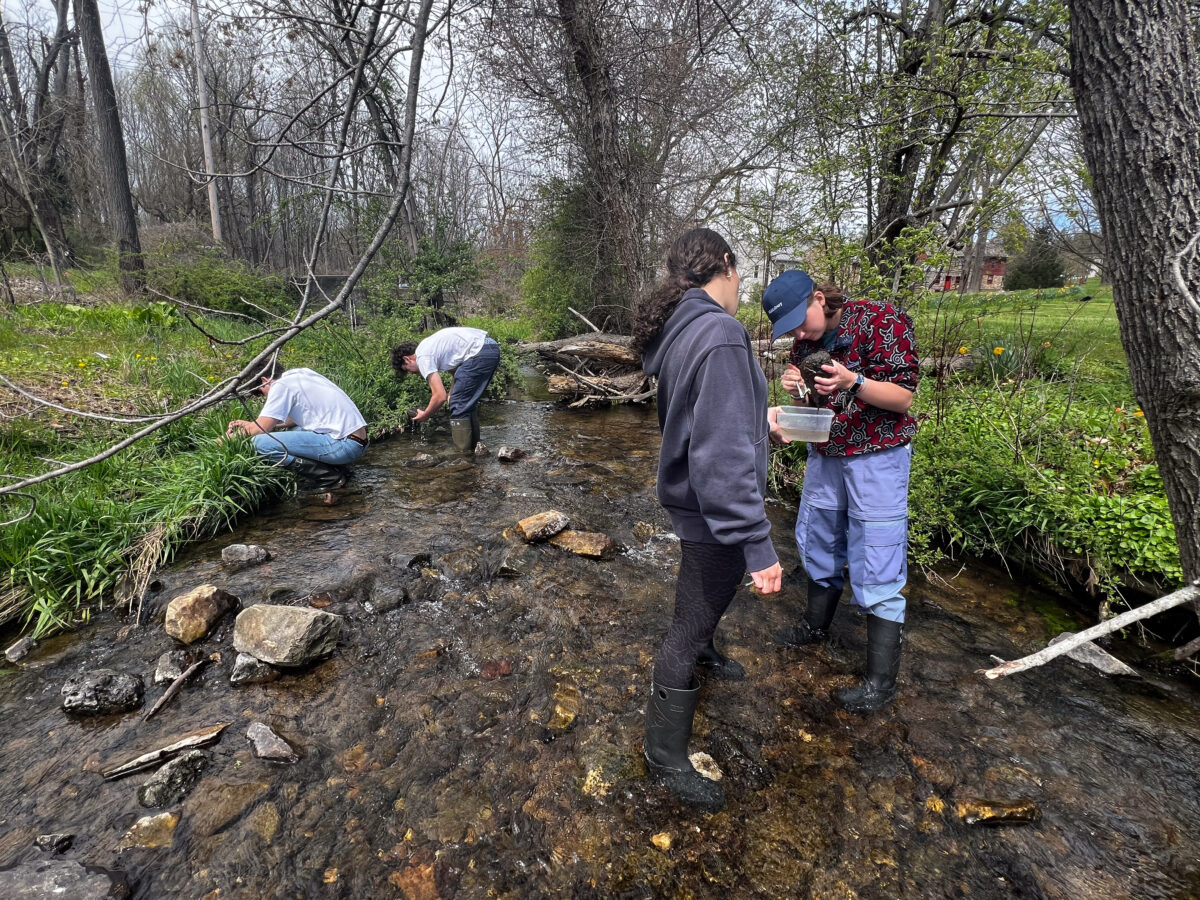
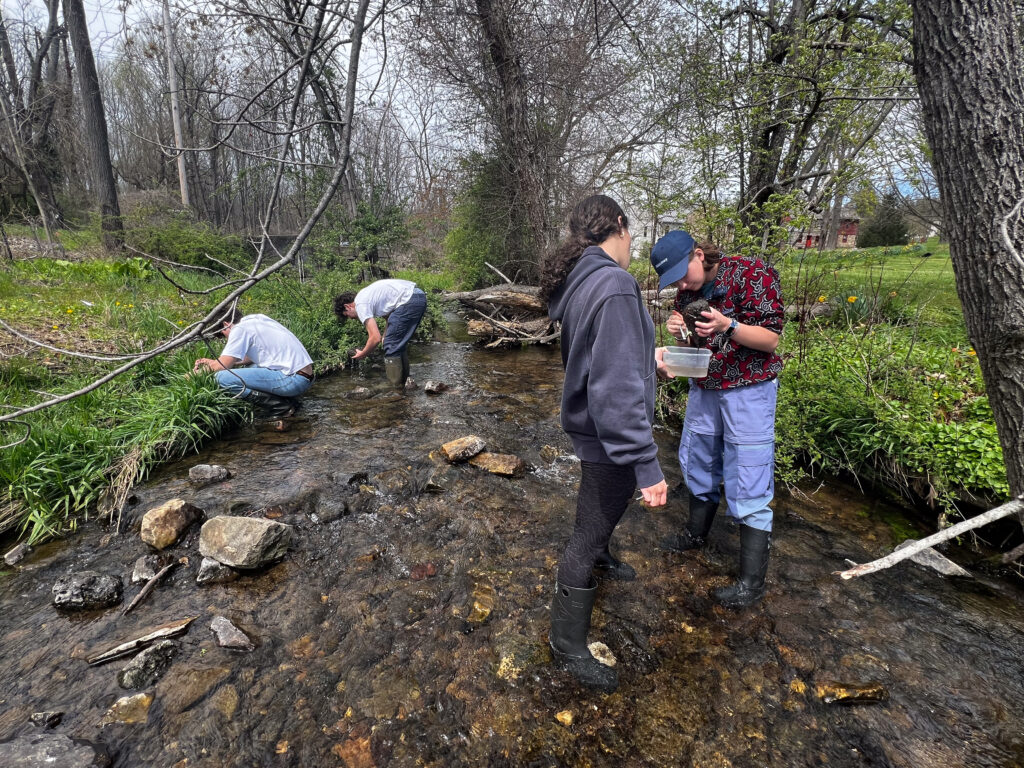
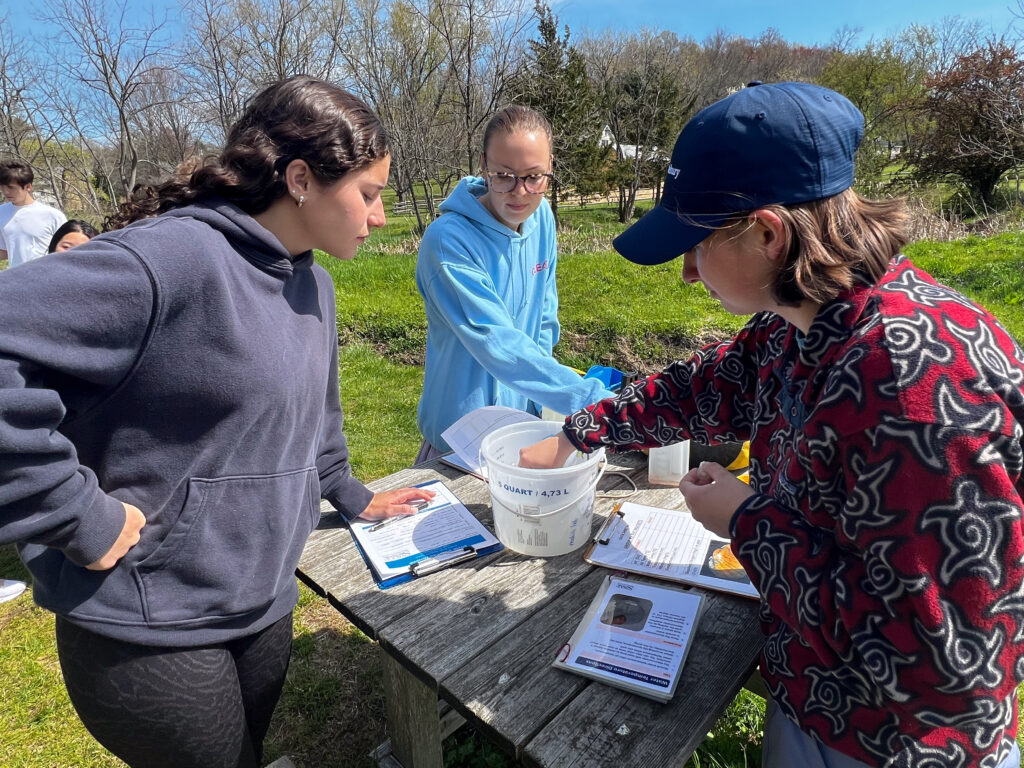
Students in teacher Ryan Black‘s Advanced Environmental Science classes visited the internationally renowned Stroud Water Research Center in Avondale, PA. Located along the pristine White Clay Creek, the Center offered an ideal environment for students to conduct chemical tests of water quality and assess aquatic biodiversity using a biotic index. The experience allowed students to observe what a healthy local stream should look like and compare it to the more impacted streams on our campus.
During the visit, students toured Stroud’s Platinum LEED-certified facility, which features vermiculture composting toilets and a streamhouse—an indoor laboratory where stream water is circulated for algae growth and controlled experiments. They also met with Stroud’s entomology team to gain a deeper understanding of macroinvertebrates and their role as indicators of stream health. Independent study student Mira Hartmann ’25 was able to tour their entomology lab and speak directly with the entomologist to gain insight into advanced analysis methods for the macroinvertebrate data she has been collecting on campus.
This immersive field experience enriched the students’ classroom learning and emphasized the importance of real-world, field-based research in understanding and protecting freshwater ecosystems.
A focus on sustainability and the environment is embedded in much of our curriculum and practices, but on Earth Day, we enjoy special activities and celebrations. Some of the ways we celebrated on Earth Day included an all-school Meeting for Worship in the Greenwood, an all-vegan and a locally sourced lunch in our Green Star Certified Dining Room, an assembly with a student panel, and workshops centered on the theme “Finding Your Why and Empowerment.” The 17 workshops offered—which covered topics from bioremediation to clean energy at Westtown to environmental justice, to seed sharing pollinators, to name just a few—aimed to help to inspire students to get involved in sustainability work and to find the ways their passions and interests intersect with sustainability guided by the 17 Sustainable Development Goals created by the United Nations. Special thanks go to Mira Hartmann ’25 who was integral in organizing the day’s schedule, activities, and workshops in the Upper School.
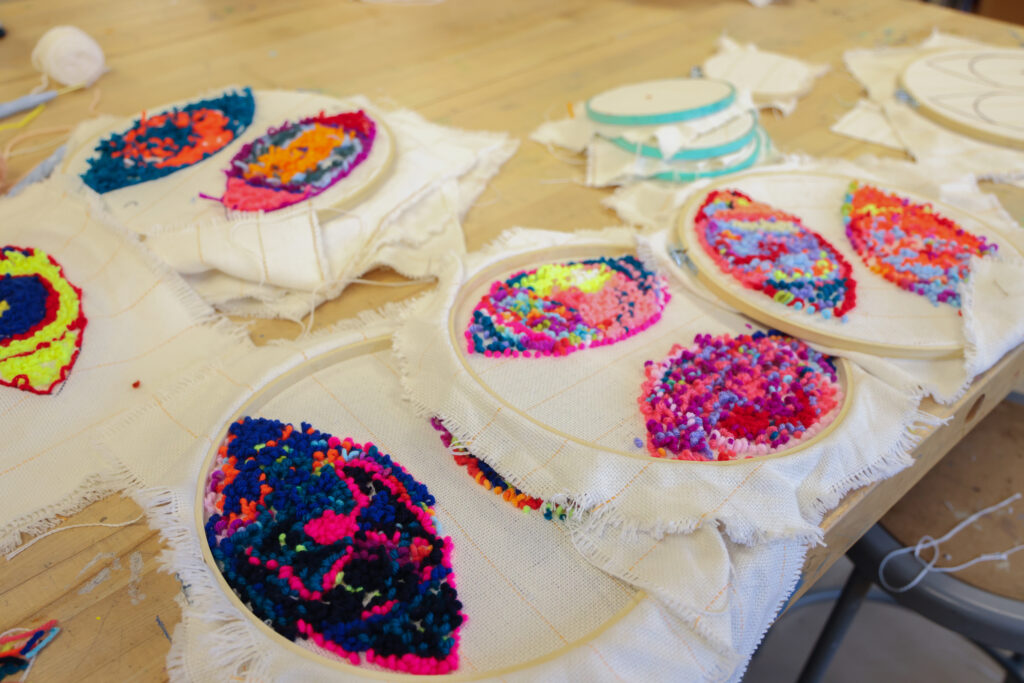
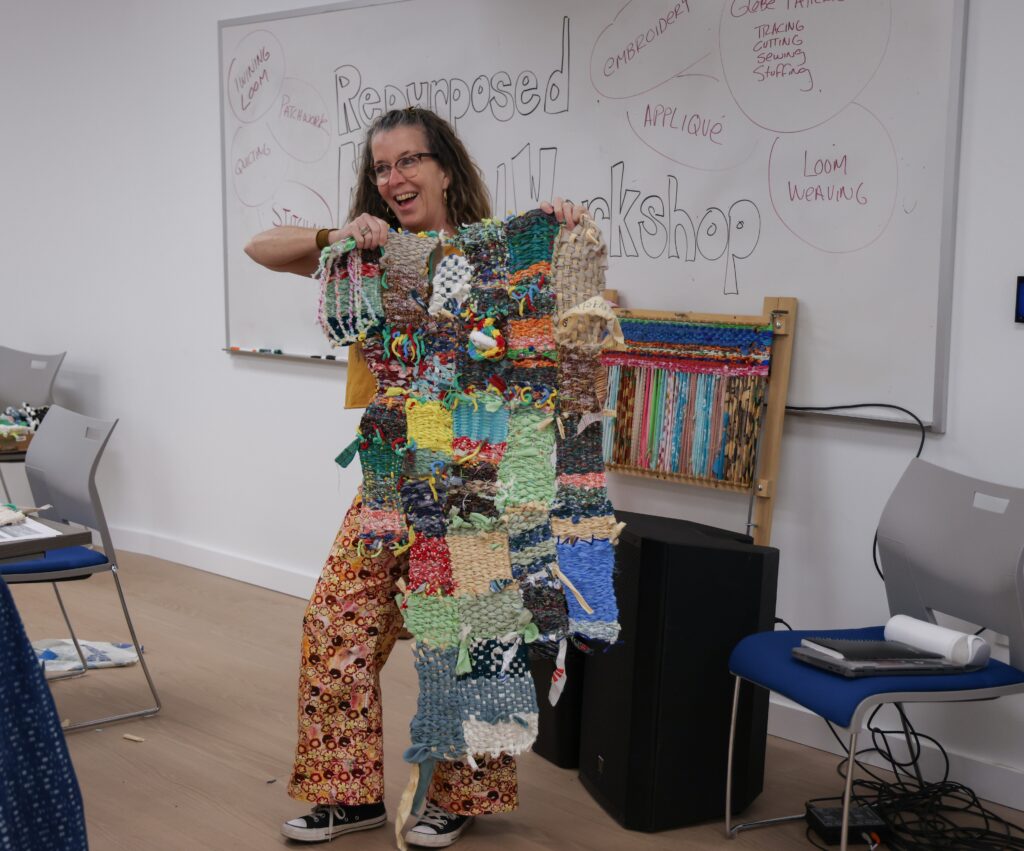
In Middle School, teacher Courtney McKinley‘s eighth grade students headed outside to race the solar powered cars they had made. As Middle School Principal Will Addis shares, “The call to be stewards of a better world is implicitly and explicitly woven throughout the Middle School. In sixth grade science, the work STEM teacher Carlos Charriez and the students do cultivating plants in the greenhouse fosters a keen understanding of nature. In eighth grade social studies and science classes, students gain a broader understanding of climate change from both scientific and sociological perspectives. In Abby Lausch‘s seventh grade English Language Arts class, students learn to write persuasive letters to community leaders, which will alone them to hone their skills to be change makers. In the dining room, students eat food cultivated locally and debate which items go in the compost bowl and the Green Captain helps them get the decision right. Our outdoor education trips create a meaningful relationship with the world around them, with a ‘leave no trace’ focus. Our athletic program teaches our students to have positive personal lifelong health practices by exercising on our beautiful campus. Our Visiting Artist program also took a sustainability focus this year. Stephanie Rowley centered on using found materials to create a new work of art. Students manipulated the materials in a variety of ways, including sewing and knitting, to create a new work of art. The process had a zero waste focus, and highlighted the connection between us and the natural world. While we celebrate Earth Day each year, we observe the principles every day.”
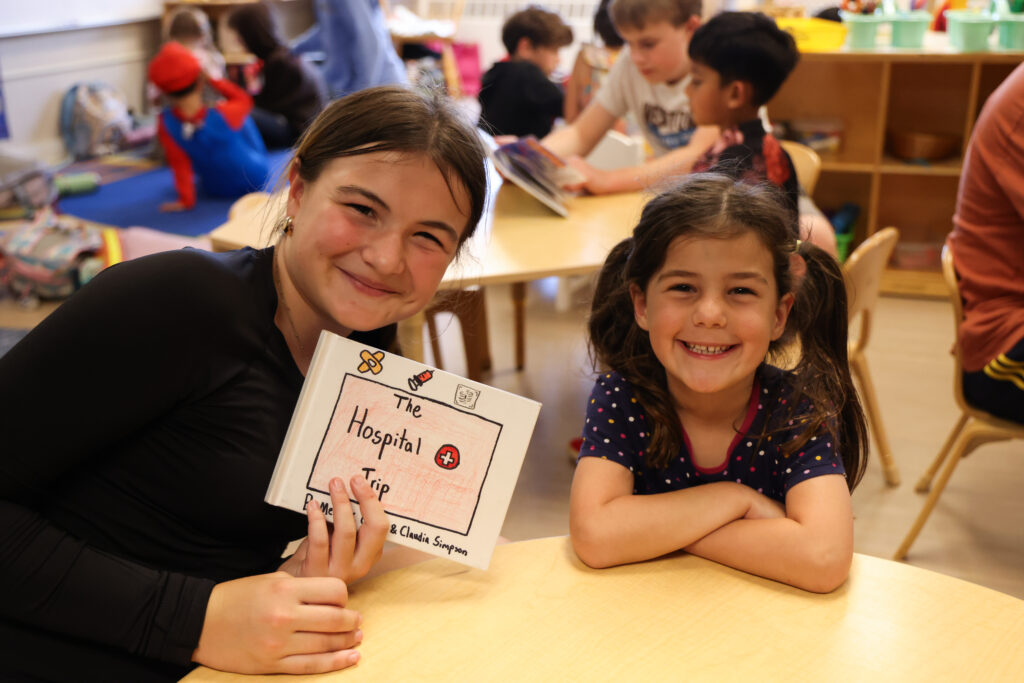
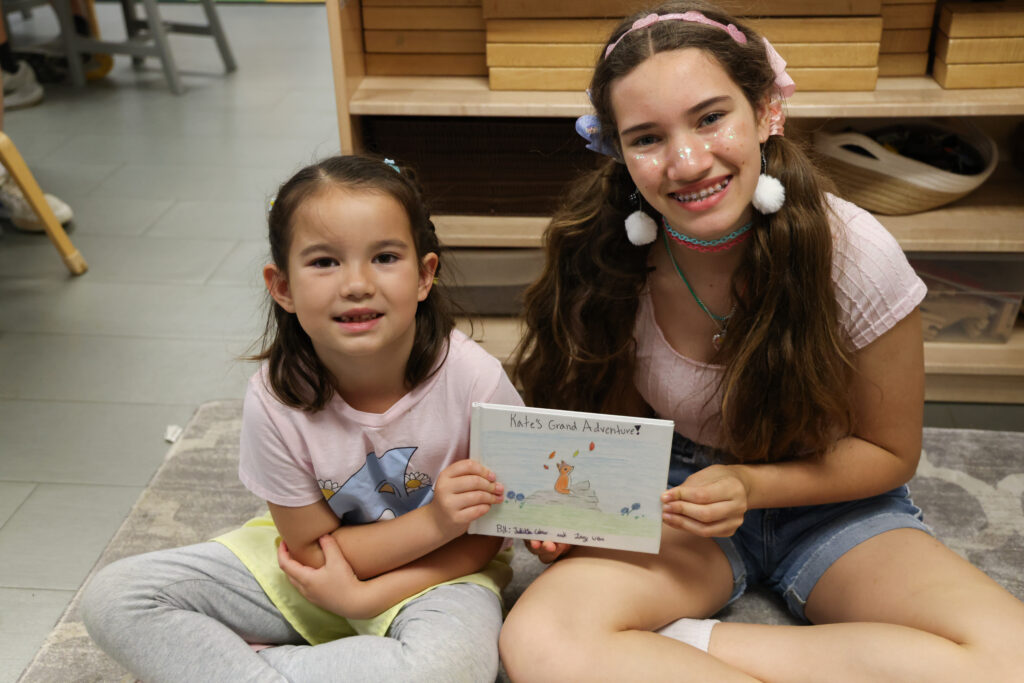
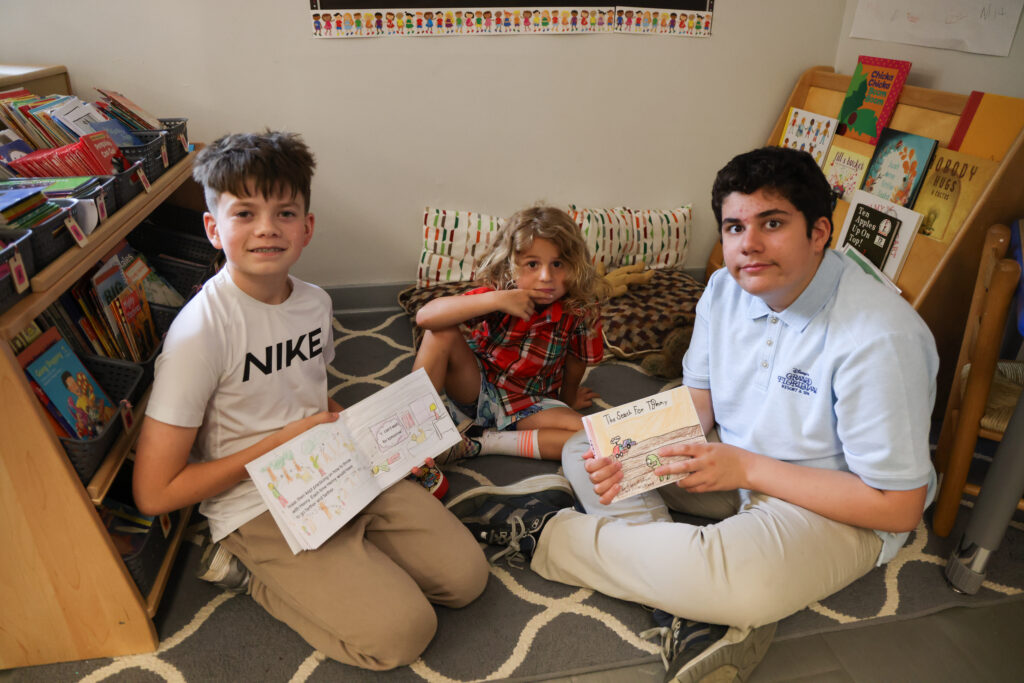
Every year, as part of the teacher Abby Lausch‘s English Language Arts class, seventh graders learn about writing and storytelling and then work with the Primary Circle students—their “book buddies”—to co-author and illustrate a book. At the end of the year, the book buddies had a “publish party,” where they read their final books together, had a cool treat, and shared recess time. See more photos here!
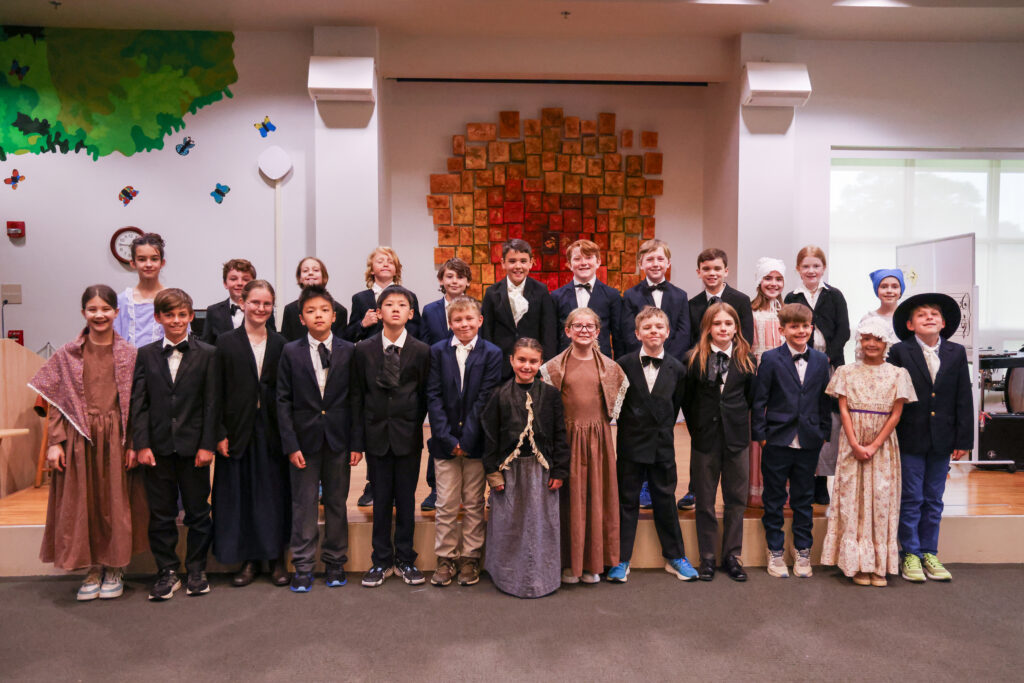
At the end of the school year, fourth graders invited family and fellow Lower Schoolers to present their Living Museum, part of a research project centered on the lives of historical abolitionists. The project is a culmination of their social studies curriculum, which focuses on the history of this continent from pre-European contact through the abolishment of slavery. In this final “living museum” project, students share the work, struggles, and successes of many notable abolitionists. Well done, fourth grade! You can see more photos here.
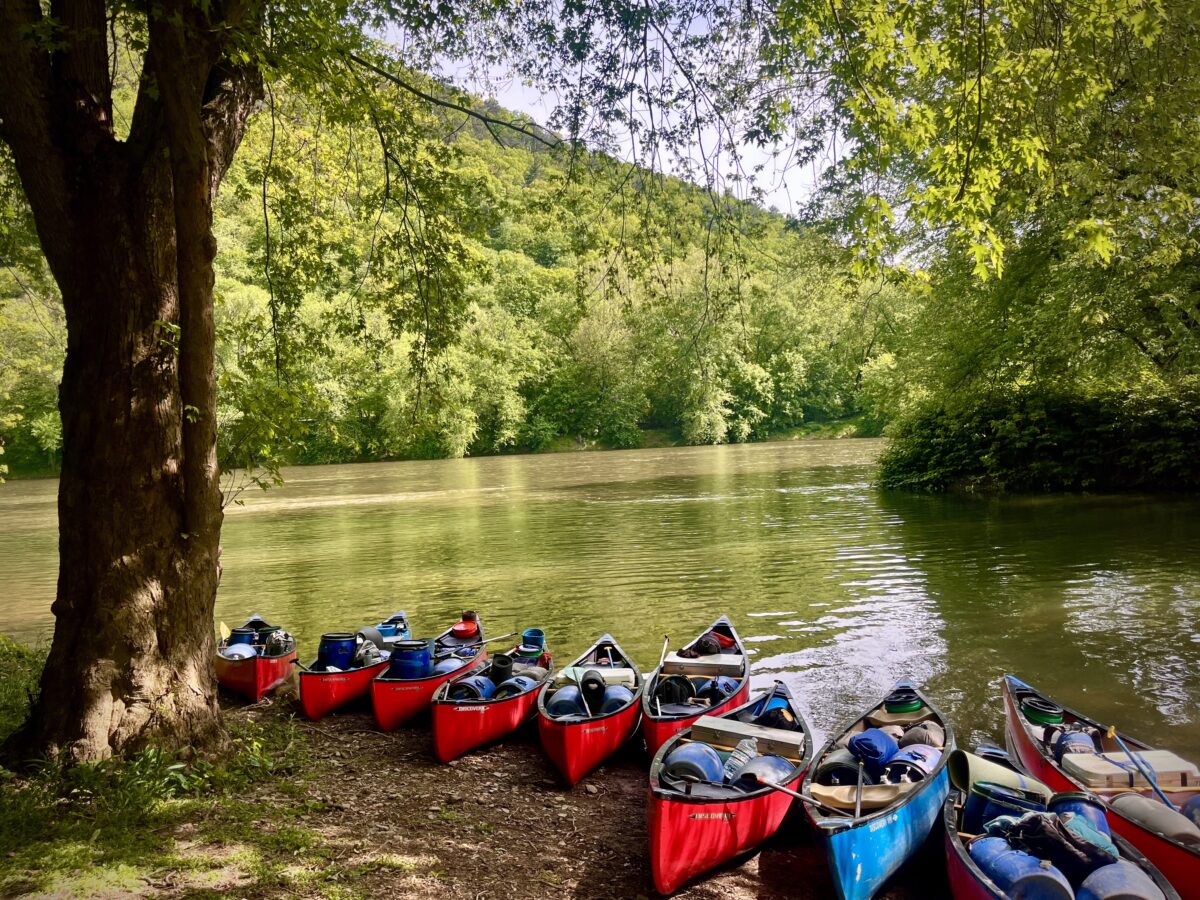
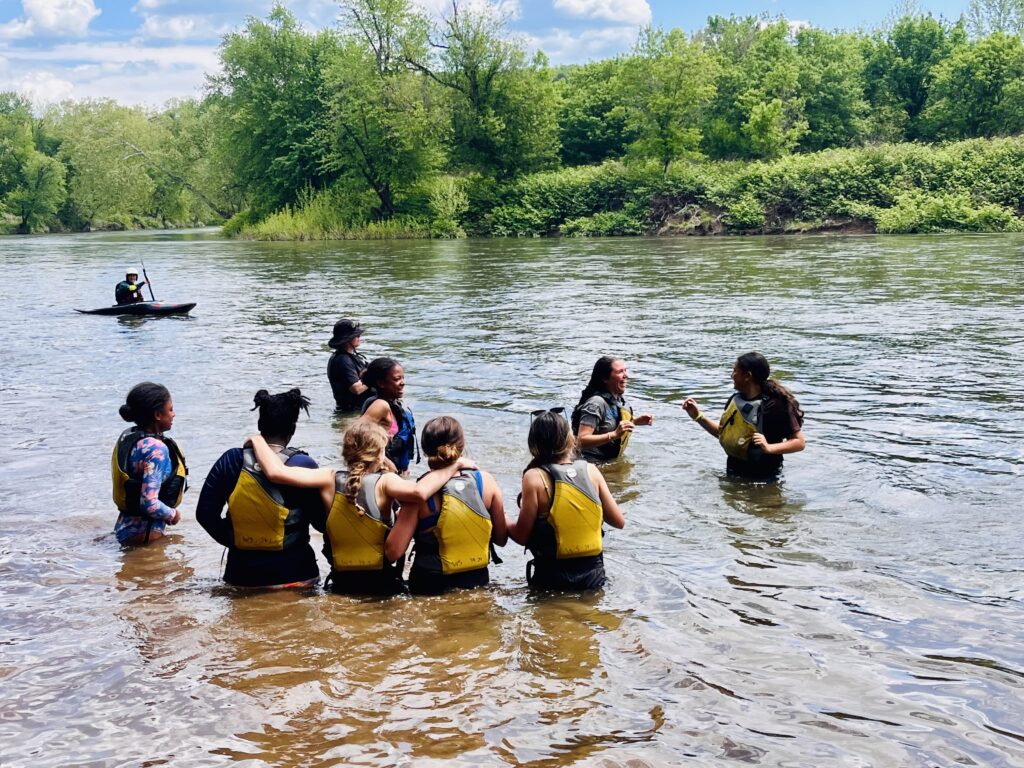
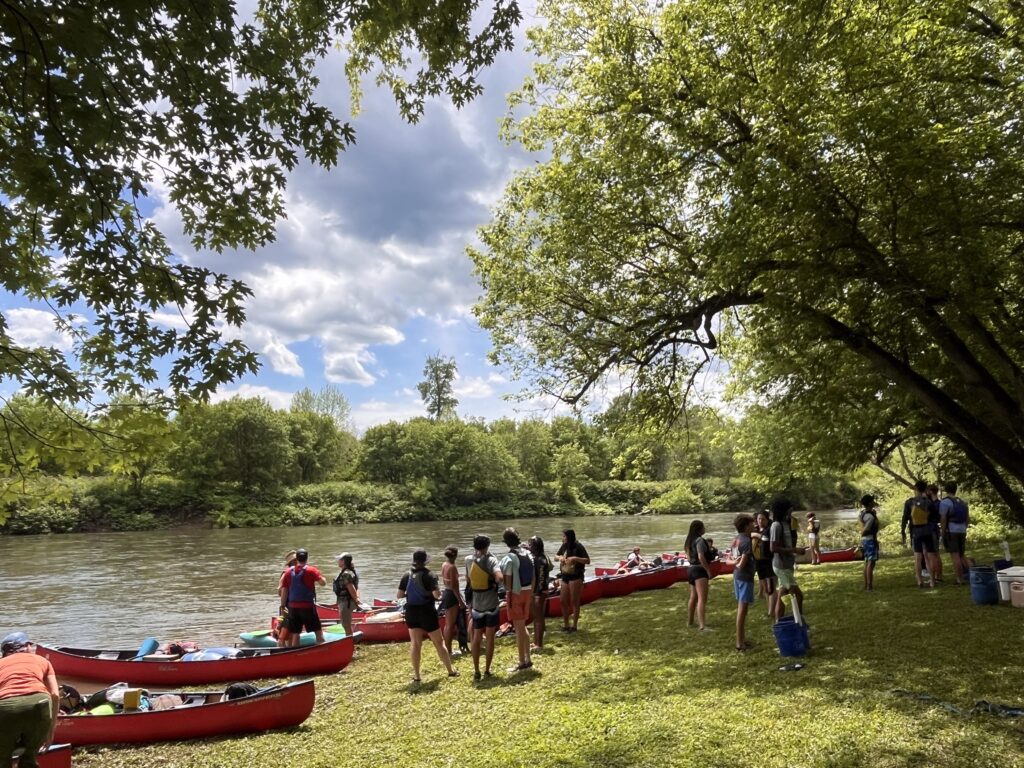
Our eighth graders participated in a beloved Westtown tradition—the last Middle School canoe trip! The Class of 2029 went on a three-day/two-night adventure on the Potomac River in western Maryland. This hallmark experience is marked not only by skill-building in nature and on the water, but also by community-building and growth. Students learn to push themselves and encourage each other, work as a team, as well as to canoe and practice “Leave no Trace.” As Middle School Principal Will Addis shared, “The canoe trips and the training that goes with them provide real-world applications for the skills and understandings we strive to teach our students while also providing lessons that reflect those skills. If you are ever around the students as they prepare for a trip, you will see how evident this is. Phrases like ‘We can do hard things and ‘There are no passengers, only crew’ are uttered frequently. This is true on the river but applies to the classroom, playing field, Dining Room, and so on.” Our thanks to Chris Henwood-Costa, Director of Outdoor Education, and all the Middle School faculty who support these important trips each year! Photos of this year’s adventure are here!
We are fortunte to have robust Artists-in-Residence programs in all divisions here at Westtown. This year, three artsists worked with students to share their talents and create special works with students.
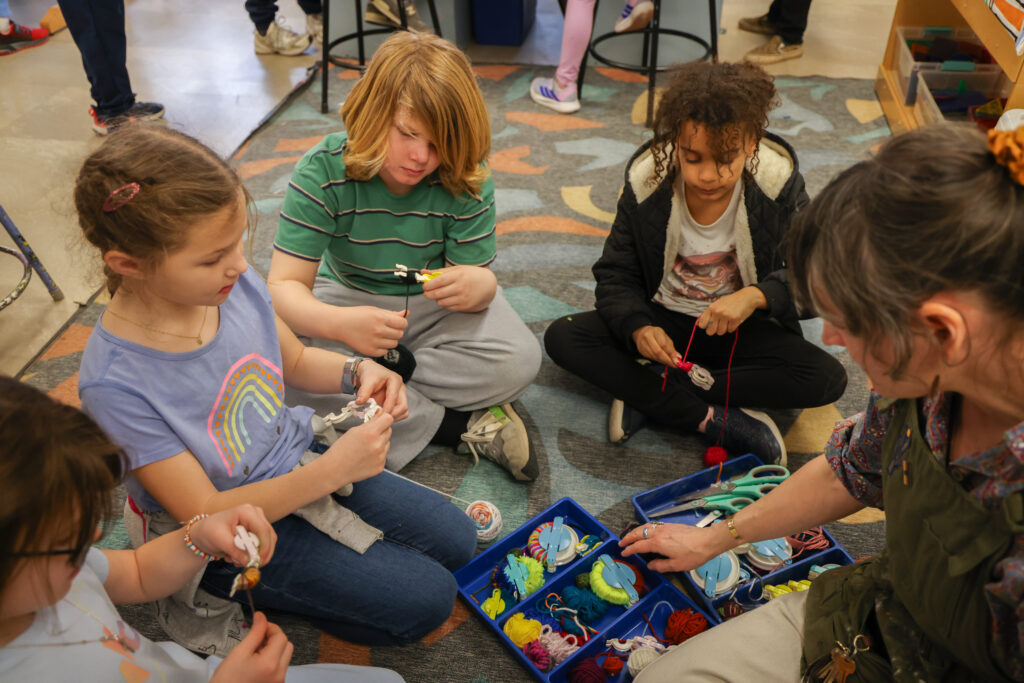
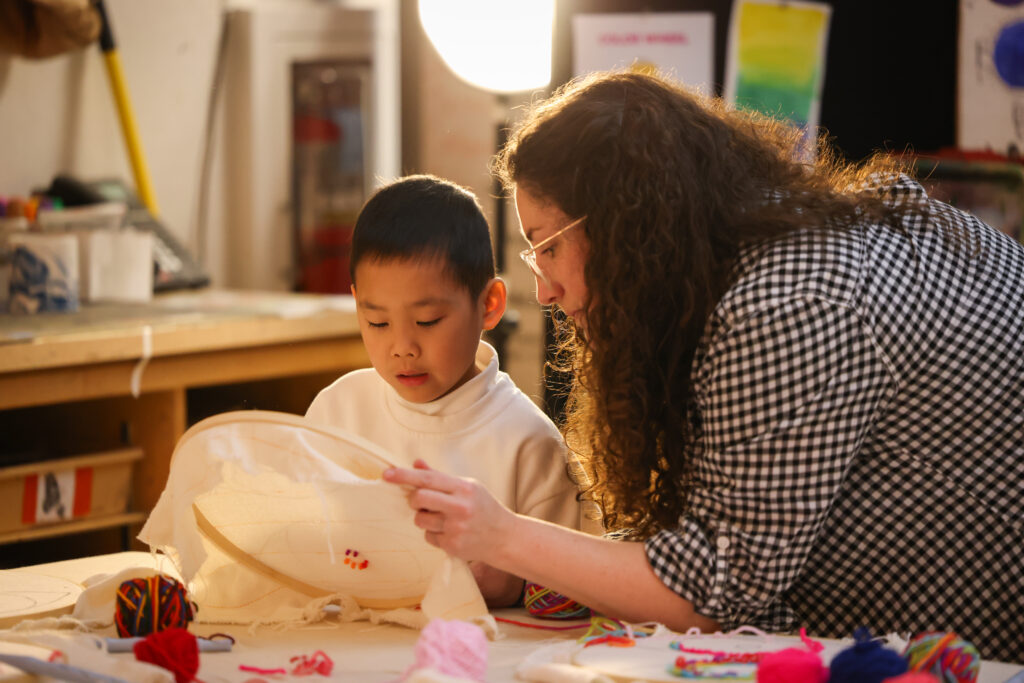
The Lower School welcomed Margaux McAllister as our 2025 Candace Freeman Artist-in-Residence. The Lower School Artist-in-Residence program is coordinated by Lower School art teachers, Kelly Nicholson and Jane Chesson. Margaux is a multi-disciplinary artist whose recent work has featured various fiber techniques to explore the theme of identity. Throughout the residency, Margaux worked alongside PK – 5th grade students during their art classes to teach the process of rug tufting using punch needles. Students learned about working collaboratively while practicing new fiber-based skills. They will be able to continue building upon this work as we integrate these new techniques into our Lower School Art Studios after the residency concludes. Margaux took the students’ work back to her Phoenixville studio to assemble a collaborative fiber work, and it was installed in the Lower School this spring. You can see the final piece in the Gathering Room.
The Candace Freeman Artist-in-Residence Program began over thirty years ago and focuses on bringing professional artists to Westtown Lower School to share their artistic process and inspiration with our students. The opportunity for young artists to work alongside a professional artist is a valuable and an important piece of our arts curriculum. You can see many of the Artist-in-Residence projects from years past throughout the Lower School hallways.
This spring Middle School and art teachers Cindy Hodgson and Marta Willgoose Salo welcomed Stephane Rowley, Philadelphia-based mixed media artist, as the visiting artist. Stephane collaborated with students using weaving, quilting, embroidering, sewing by machine and hand, knitting, and more to create a fiber piece which will be installed in the CLA. Students explored textile traditions, especially pertaining to reuse and repair such as Kantha, Sashiko, and piecework quilting to create an installation to minimise and upcycle textile waste.See her work with students here!
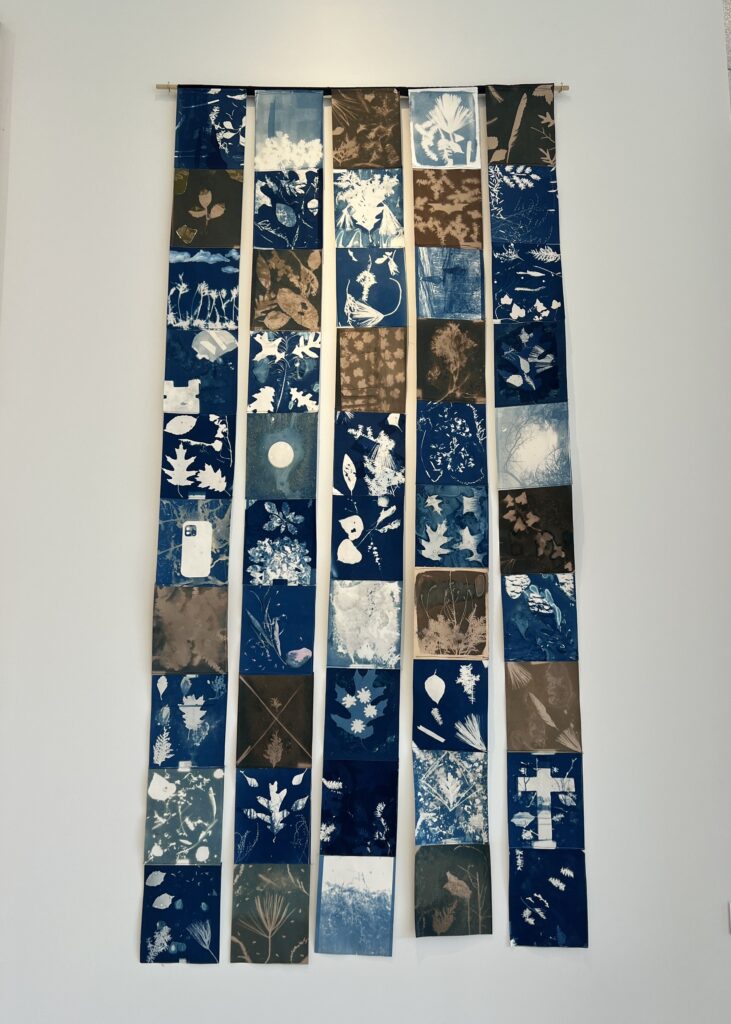
The Upper School was thrilled to have Westtown alum Sarah Bourne Rafferty ’00 as the McLear Artist in Residence this year. Sarah worked with students to create cyanotype prints and together they created the beautiful work that hangs in the CLA Jehan ’94 and Jeannie Chu Gallery, pictured below.
Sarah’s work ranges from photographs to books to prints with a particular love for alternative process/non-silver photography. She is engaged in a line of inquiry that stretches beyond a particular medium. Sarah is mesmerized by the interweaving of thoughts into words. She is consistently inspired by the natural world, be it her small back yard or adventures on mountain tops far away. Parts of the natural world often appear intertwined with words or lines of text as she tries to dissect what is happening with the changing of the seasons and how they can relate to communication.
She is the founder ofAtwater Designs, a cyanotype design studio that produces original cyanotypes, fine art prints and paper goods. Her more experimental and personal work is what appears here in her portfolio. She is also a teacher of photography to high school students and finds working with students to be integral in her process. Sarah’s work has been shown both nationally and internationally. She currently lives, makes, and teaches in Southeastern PA.
A signature experience for many students at Westtown are the school-sponsored trips which provide a variety of opportunities to learn and broaden their experience beyond the classroom. This year’s spring break trips offered cultural and language immersion, biodiveristy exploration, service, and political activism. Groups went to Puerto Rico, Costa Rica, and Washington, DC.
Puerto Rico Spanish teacher and Puerto Rico trip leader Mercedes Ureña Durán shares, “I had the opportunity to travel Puerto Rico with 18 amazing students and two wonderful colleagues: Fernando Gomes and Franco Yannielli. Throughout the trip we enjoyed the richness the island has to offer through its music, customs, biodiversity, and vibrant culture which allowed for an unforgettable experience.
“Our trip was a mix of fun adventures, immersive learning and service experiences, sprinkled with opportunities to relax and soak in the island’s beauty. We started the trip in Old San Juan and learned about the history of the island and visited some important landmarks like El Morro. We then traveled and hiked deep in the tropical rainforest of El Yunque. It was a challenging uphill hike, nonetheless it was wonderful to have the opportunity to connect with nature in such a majestic setting surrounded by a lush forest of a variety of trees, including the native Yagrumo. The students were then rewarded with the chance to cool off by skidding down a natural rock slide into the refreshing waters that run through the forest.
“Visiting a local sustainable forest project called Casa de la Selva was a highlight of the trip for many students. Being deep in the forest and surrounded by nature allowed them to disconnect from technology and engage with each other. They supported the project by clearing the trail by cutting brush and fallen bamboo. It was tough work, but rewarding. Some students dug ditches that helped re-establish drainage to help proper water flow while others built steps along the trail which help to create easy access to the forest. After a day’s work, students got to be in community with each in a more connected way. One student brought yarn and taught other students how to make intricate braided bracelets, which became a favored unwinding activity after a day of work. As the sun set in the evenings we were delighted by the croaking of the endemic Coqui frogs which, although they are pretty small and sometimes hard to see, in unison they can make a cheerful and impactful sound.
“We traveled to Loiza to visit Samuel Lind, a local artist that celebrates Afro-Puerto Rican history and his passion for nature through his art and sculptures. Dancing was also an important part of the trip, as the students learned about Bomba and Salsa. We visited historic cities such as San Juan and Ponce and learned about the history of the Puerto Rican people. A favorite and unforgettable experience for many students was to experience the magic of nature at the Bioluminescent bay at La Parguera.
“Throughout the trip, Spanish immersion was our goal and it was wonderful to see the students practice their language skills outside of the classroom in authentic settings. To keep sharpening their writing skills students were encouraged to journal in Spanish throughout the trip as a way of encapsulating their daily experiences.”
Costa Rica
Science Department Chair and Environmental Science teacher Ryan Black led the trip to Costa Rica along with Megan Williams and describes it here:
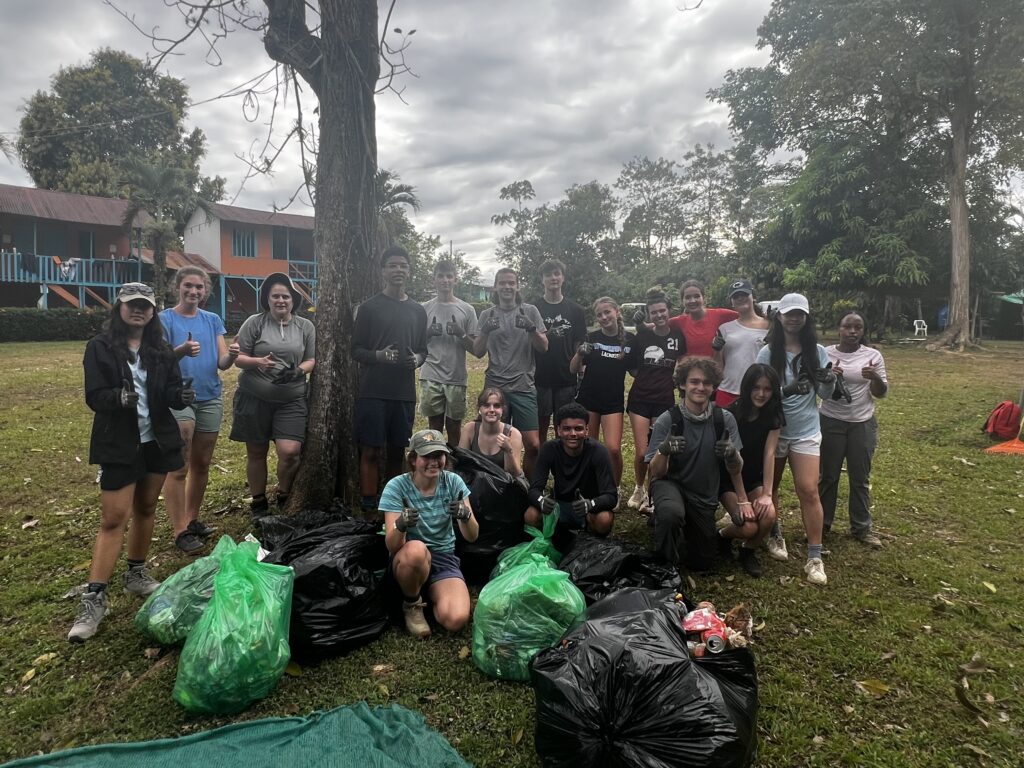
“Students had a rewarding experience in Costa Rica during our biodiversity exploration! We spent the majority of the trip in Caño Negro, a remote wetland area and crucial migratory stopover for many bird species. The students did a fantastic job on several service projects, which included trail maintenance behind the Refugio Nacional de Vida Silvestre Mixto SINAC facility, camping platform sanding and staining, turning soil and building a greenhouse structure for a community garden, and conducting trash cleanup and recycling along local roadways.
“Several students made the most of our time there by waking up at 4:30 a.m. to observe birds, howler monkeys, and other wildlife at dawn. Highlights in Caño Negro included a biodiversity boat tour down the Río Frío, as well as a biodiversity talk and walk with local experts.
“After five days of hard work and manual labor, we traveled to Arenal Volcano, where we encountered sloths, coatis, and eyelash vipers during a unique hike to a scenic lookout point. There, students learned from our guide about the history and ecology of this impressive active volcano.
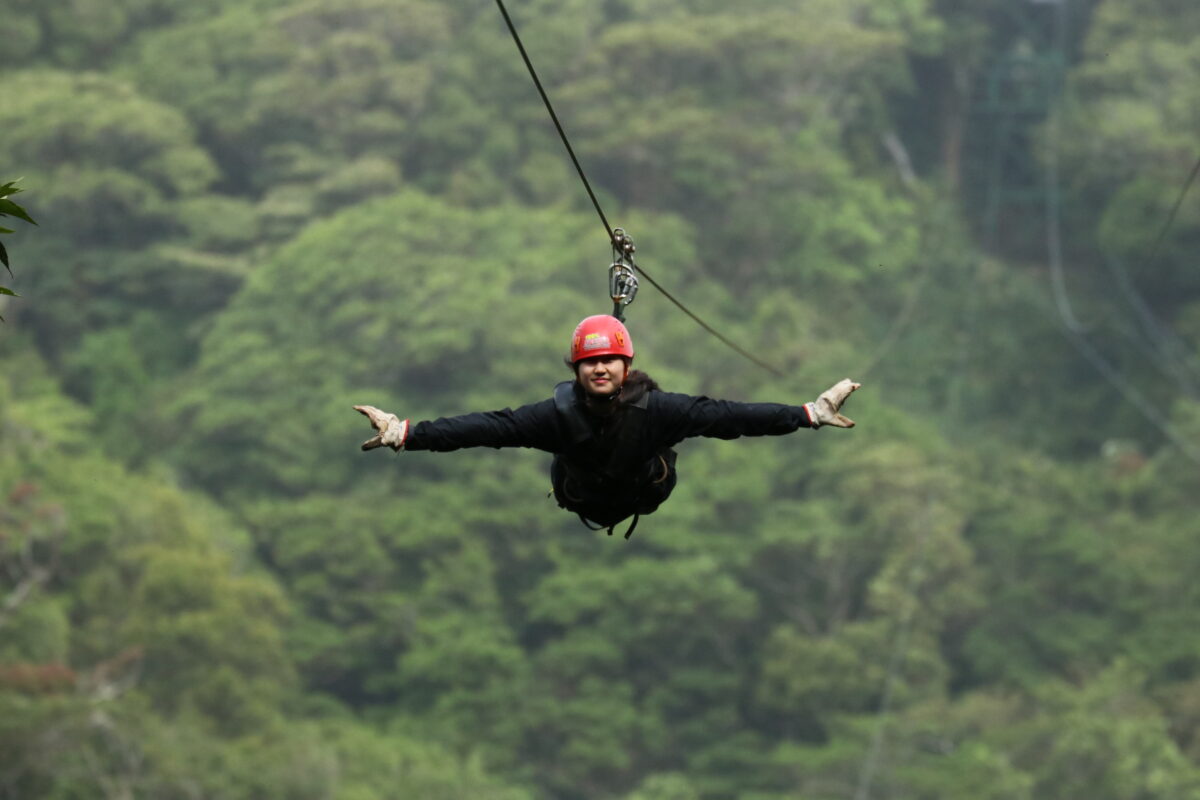
“We then visited the cloud forest in Monteverde, where students got a reprieve from the heat and were able to immerse themselves in a completely different ecosystem. Among the highlights was a thrilling night hike, where we spotted scorpions glowing under UV light, camouflaged glass frogs, hidden walking sticks, industrious leaf cutter ants, elusive kinkajous, stingless “blue cheese” bees, and a variety of other exotic wildlife. Students also zip-lined over the rainforest, bravely conquering the longest zip-line in Latin America, and explored the farming and processing of sugar cane, cacao, and coffee at the Don Juan Plantation. Many of the amazing species we encountered can be viewed on our iNaturalist project.“
Washington, DC
Teachers Lara Freeman and Jake Norton took a small group of students to Washington, DC, for the Friends Committee on National Legislation’s (FCNL) Spring Lobby Conference. FCNL is a”national, nonpartisan Quaker organization that lobbies Congress and the administration to advance peace, justice, and environmental stewardship.” The Spring Lobby Conference welcomes about 300 students from across the country to learn about active legislation, engage in trainings about lobbying, and meet with their representatives in Congress. This year’s conference focused on the threat to healthcare and food assistance. After their training sessions, students met with their representatives to lobby them to protect healthcare and food programs. Freeman shares, “We had a great trip and the students were fabulous advocates for protecting Medicaid and SNAP benefits as Congress works on its reconciliation budget.”
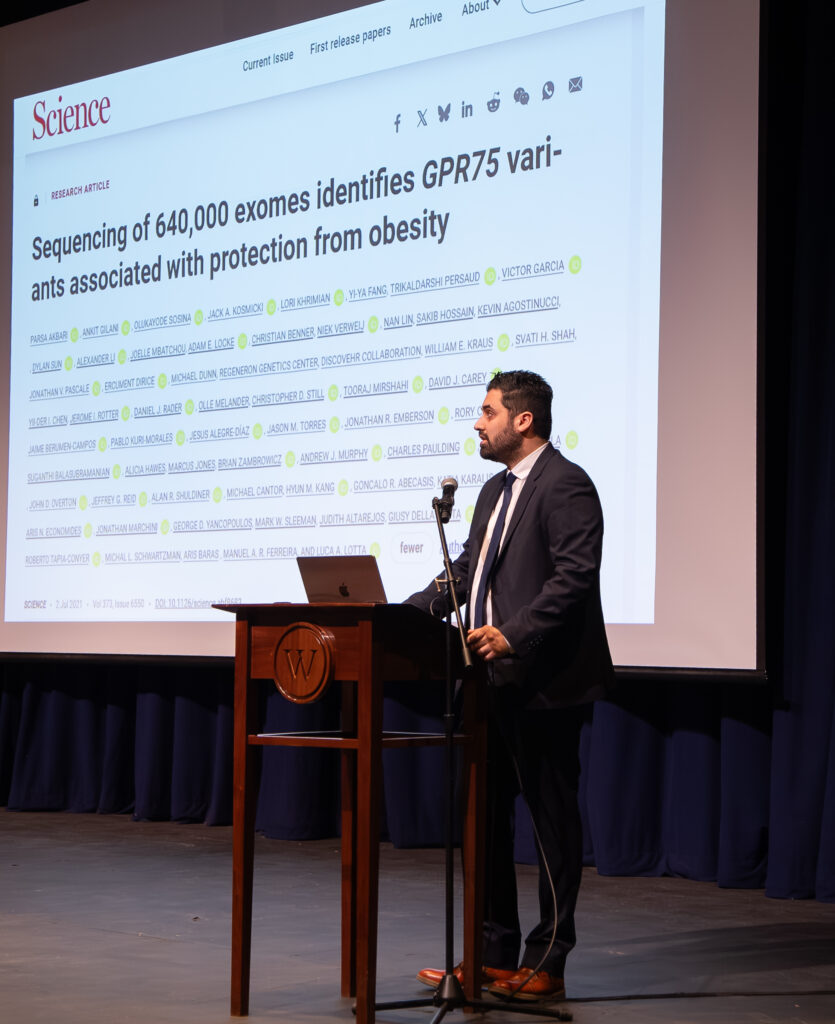
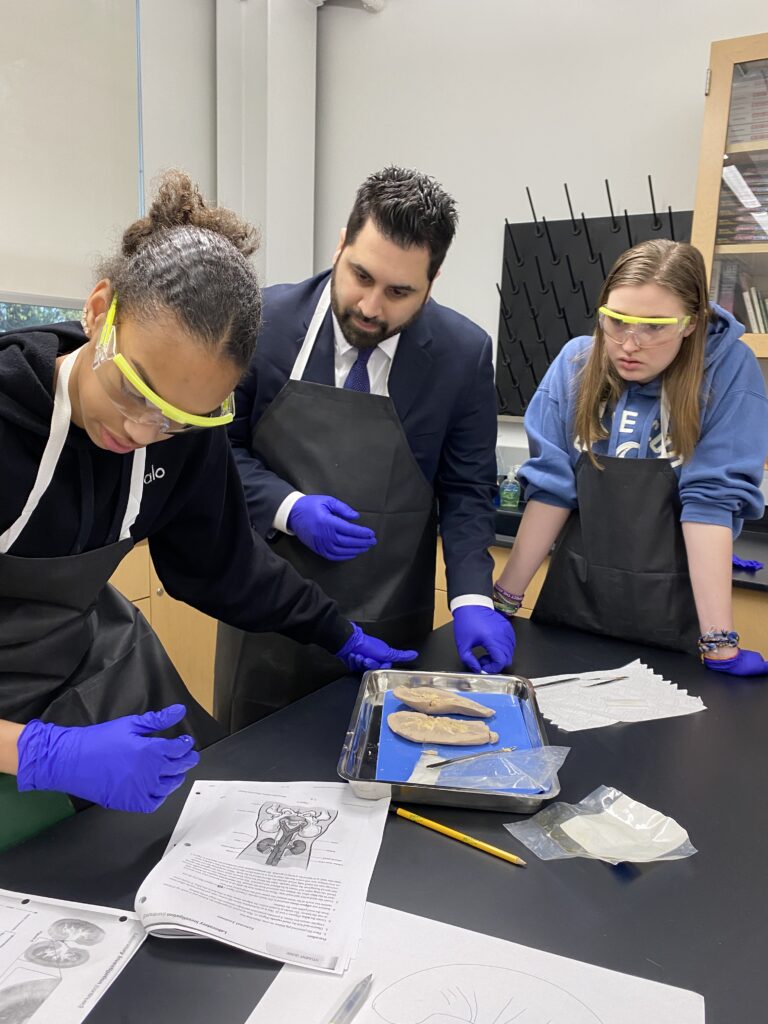
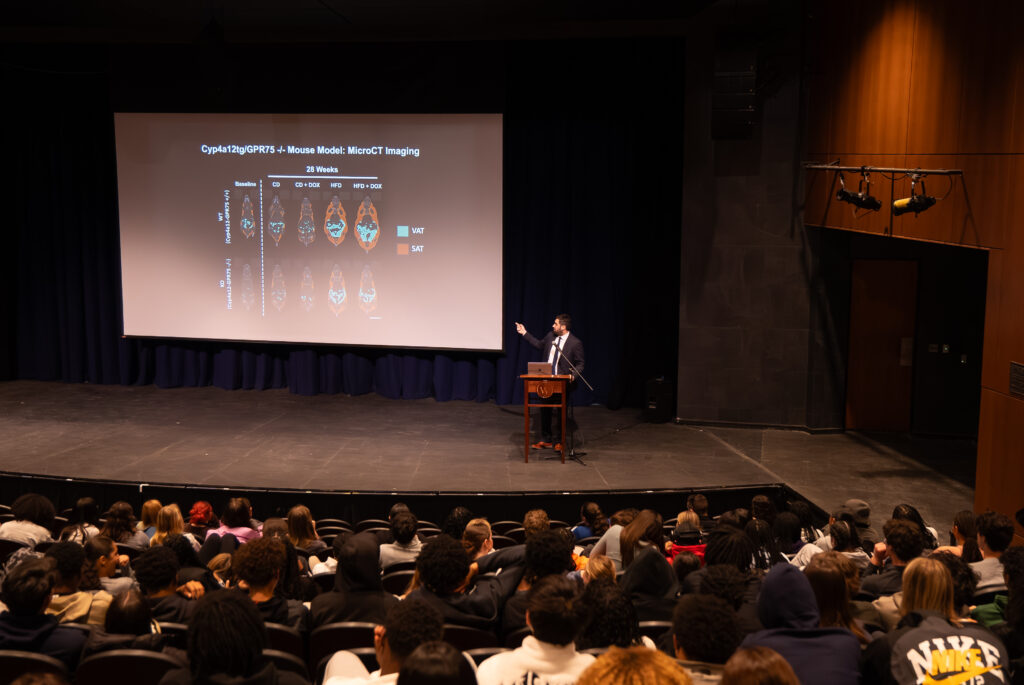
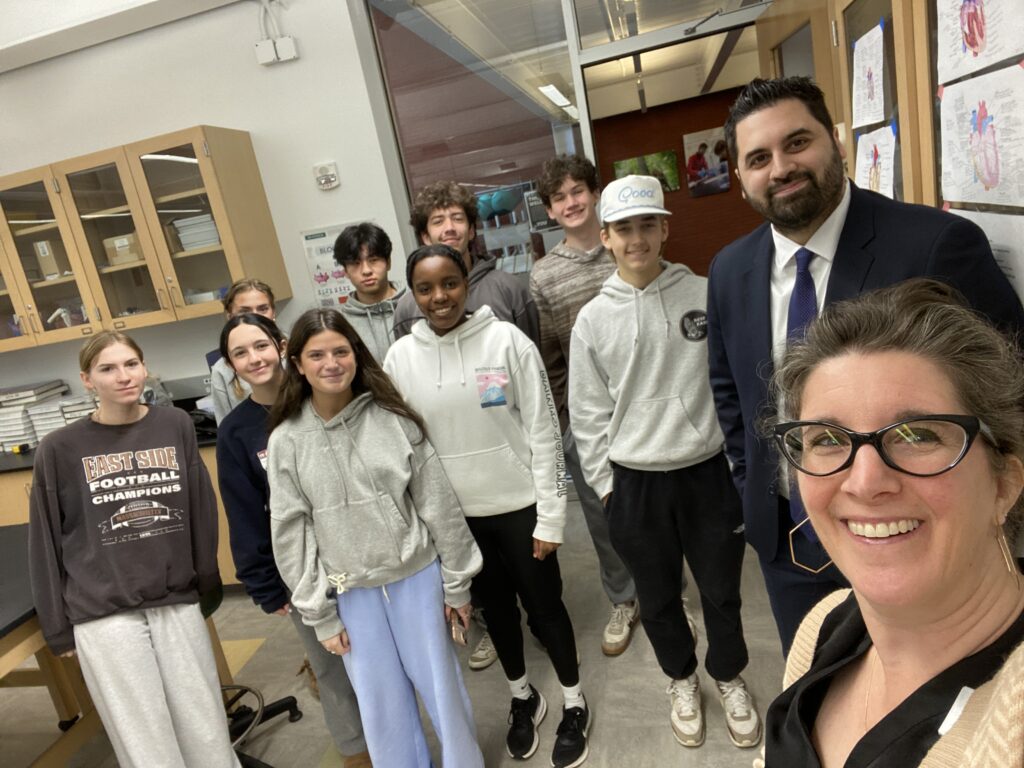
We recently had the honor of welcoming Dr. Victor Garcia ’03 to campus. Dr. Garcia is an Assistant Professor in the Department of Pharmacology at New York Medical College, where his groundbreaking research led to the discovery of a receptor (GPR75) involved in regulating obesity, diabetes, and cancer. He holds a patent and has contributed to the development of several drugs targeting these diseases. He is also deeply passionate about mentoring and empowering young scientists. Dr. Garcia visited classes, met with students, and spoke at the Upper School Assembly where he talked about his professional journey, his work, and his time at Westtown. Students were excited to engage with Dr. Garcia both in and out of the classroom.