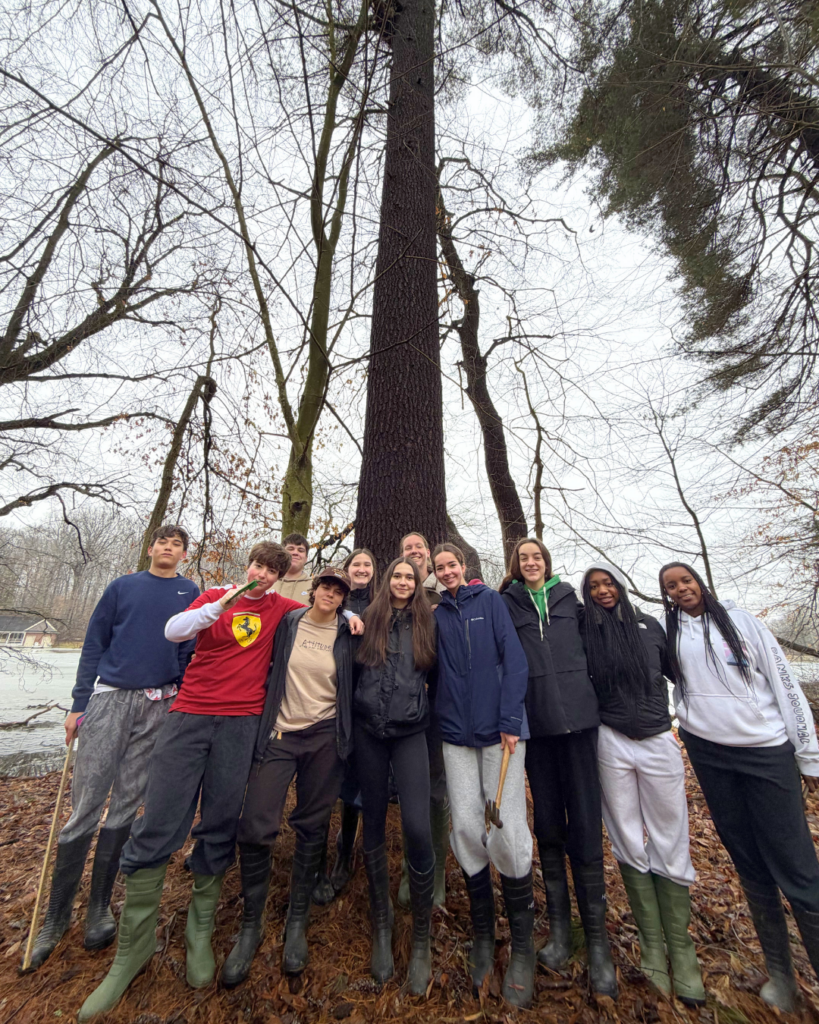
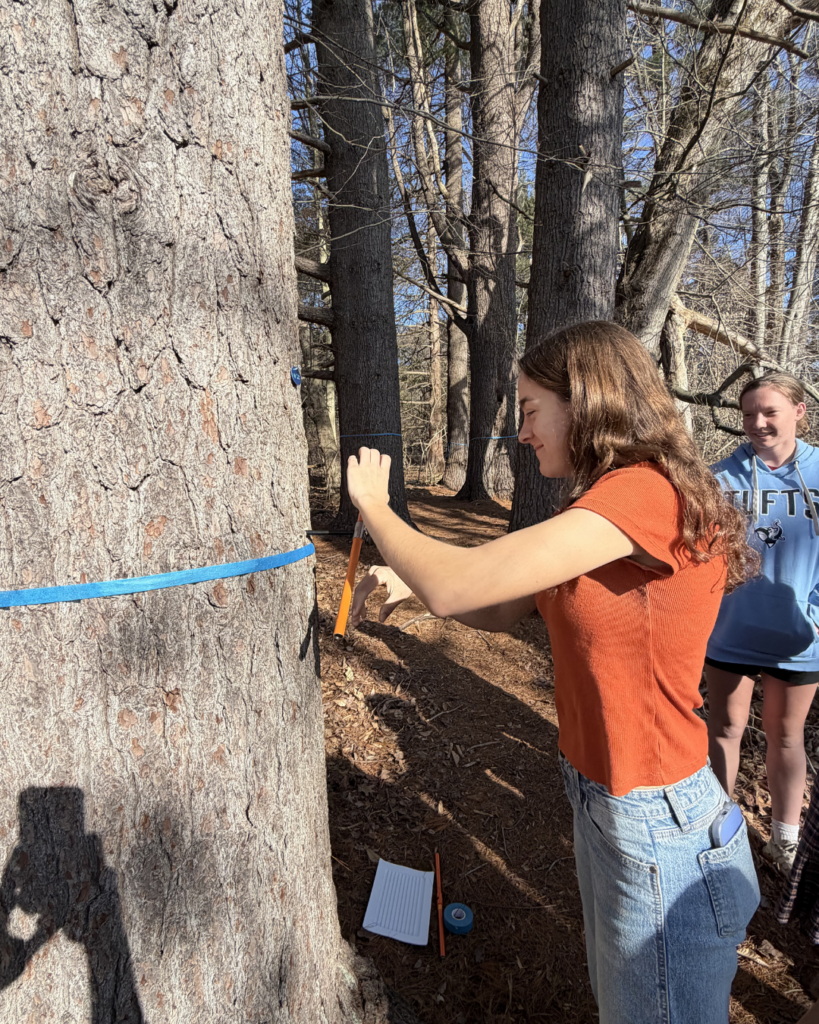
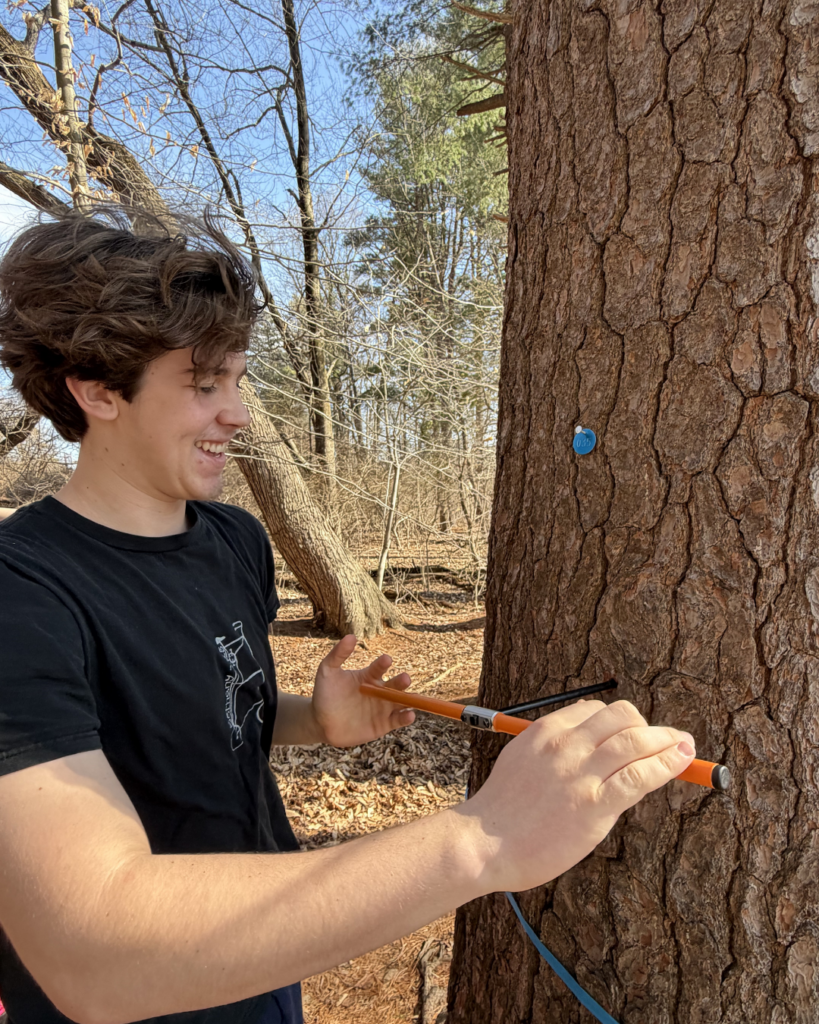
Over the past few years, teacher Ryan Black‘s Advanced Environmental Science Field Research classes have been studying Westtown’s forests. One of their goals has been to build a forestry database. This spring they reached a major milestone by surveying their 50th tree and coring more than 20 trees across campus. From tulip poplars in the South Woods to eastern white pines along Westtown Lake, students collected real field data, such as height, diameter at breast height (DBH), and logs. This data was used to estimate age, wood volume, carbon sequestration, and economic value. As you might imagine, some of these trees are over 200 years old.
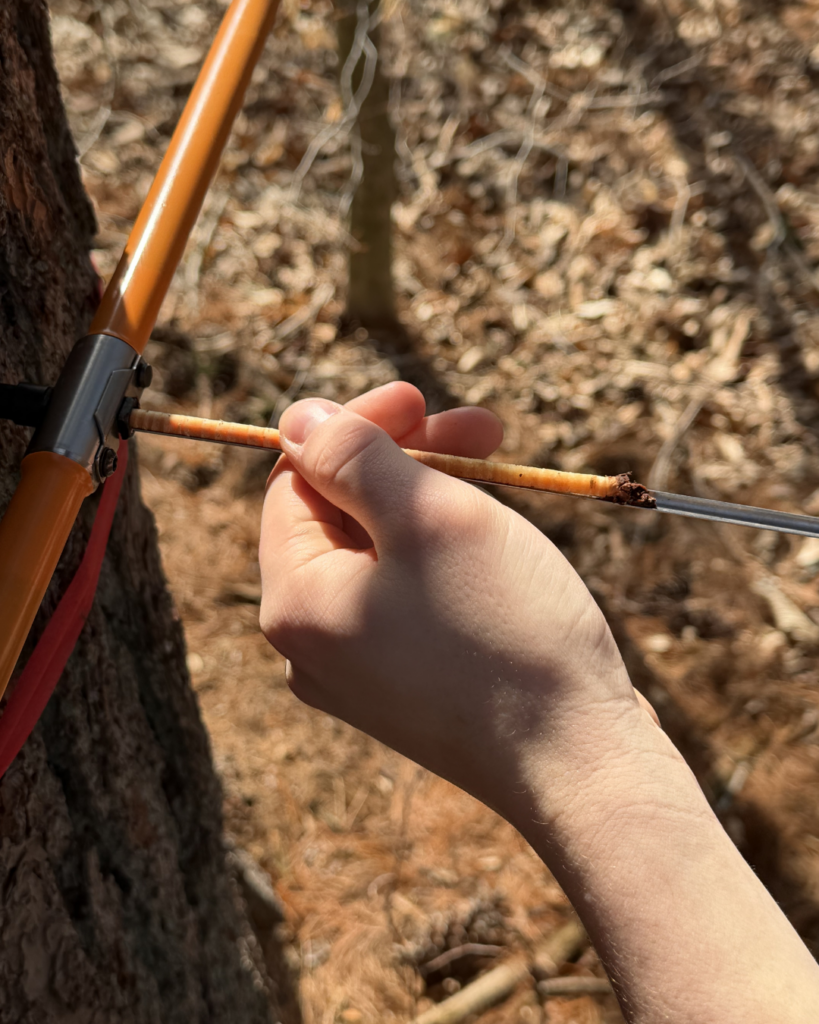
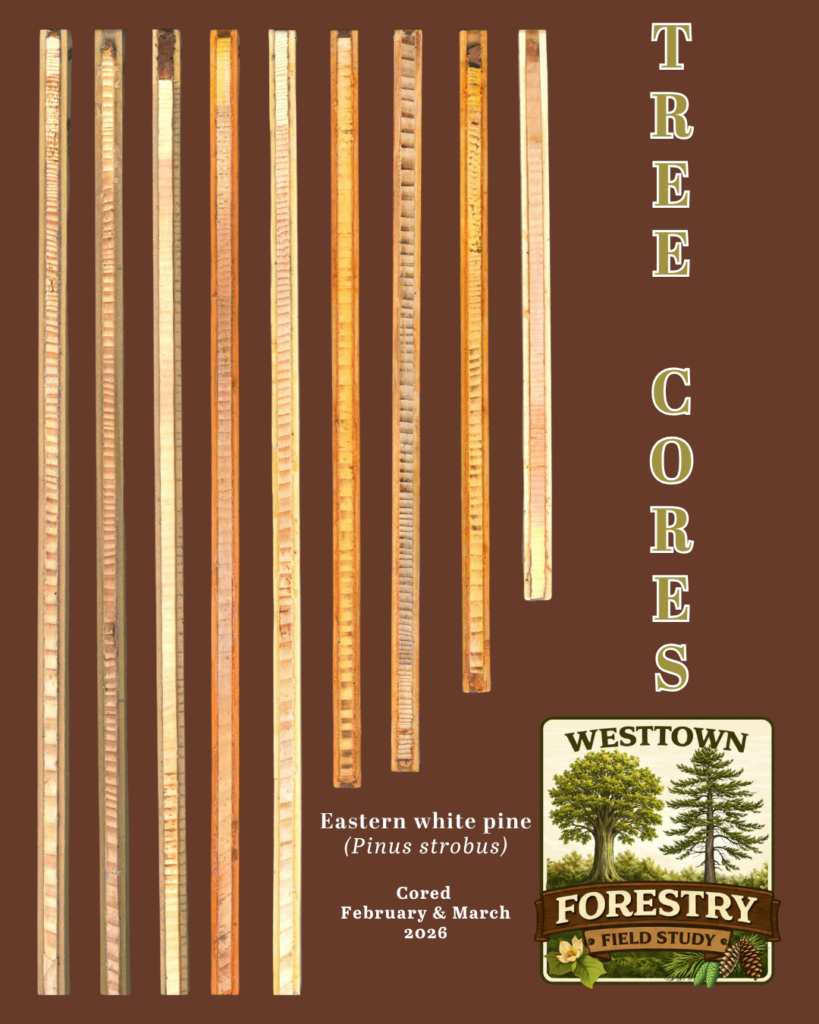
Black says, “The real story lives in the rings. Students extracted and mounted cores using an increment borer, trekking out to the lake multiple times through wet, rainy conditions. They then measured each ring width, calculated the Ring Width Index, and built a detrended master chronology to study past climate, which revealed increased variability in our local climate signal.”
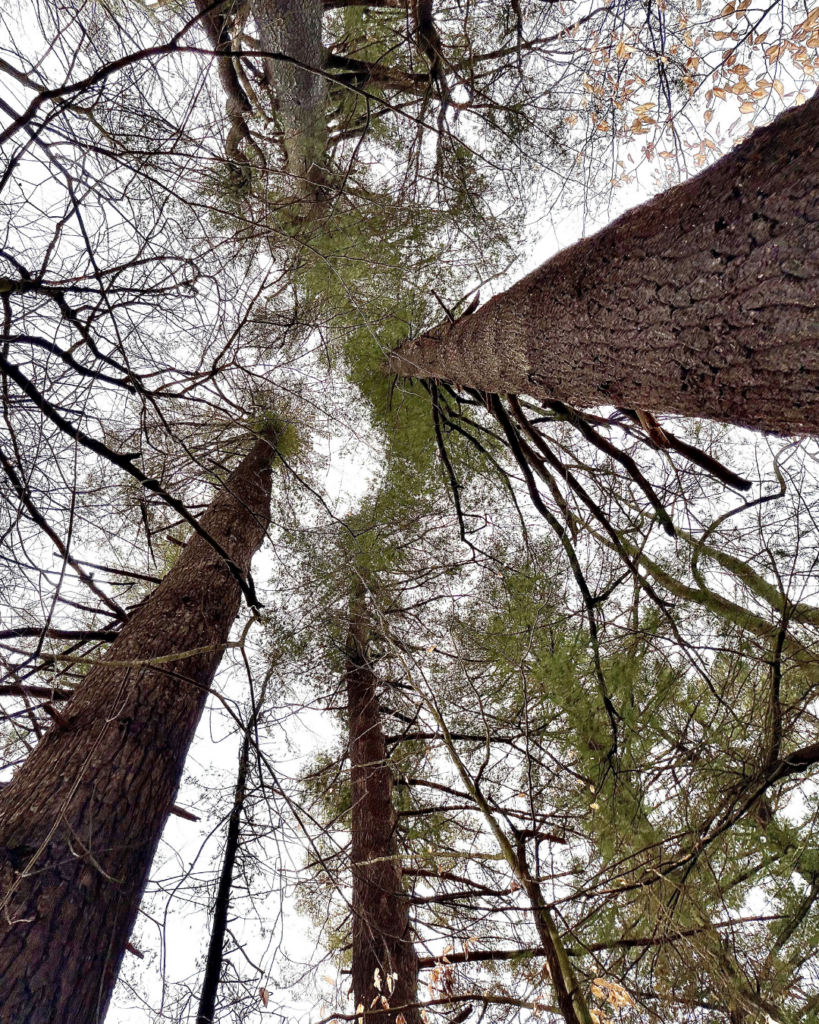
He continues, “The project began during the 2023–2024 school year as a pilot study focused on tulip trees (Liriodendron tulipifera) in the South Woods. Last year, students surveyed, measured, mapped, and permanently tagged 25 tulip trees, launching a long-term effort to establish a comprehensive Westtown forestry database. This year, students expanded the project by surveying and analyzing 25 eastern white pines (Pinus strobus) along the North Lake Trail, bringing the database to 50 mapped and monitored trees across two forest stands.
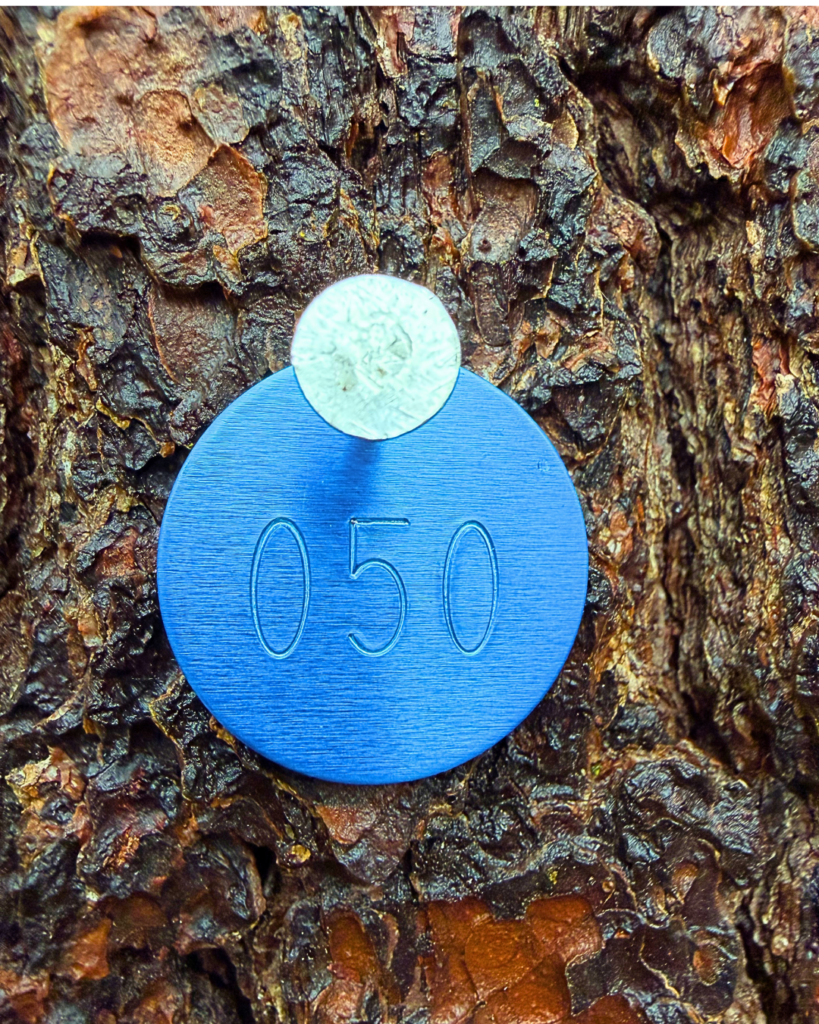
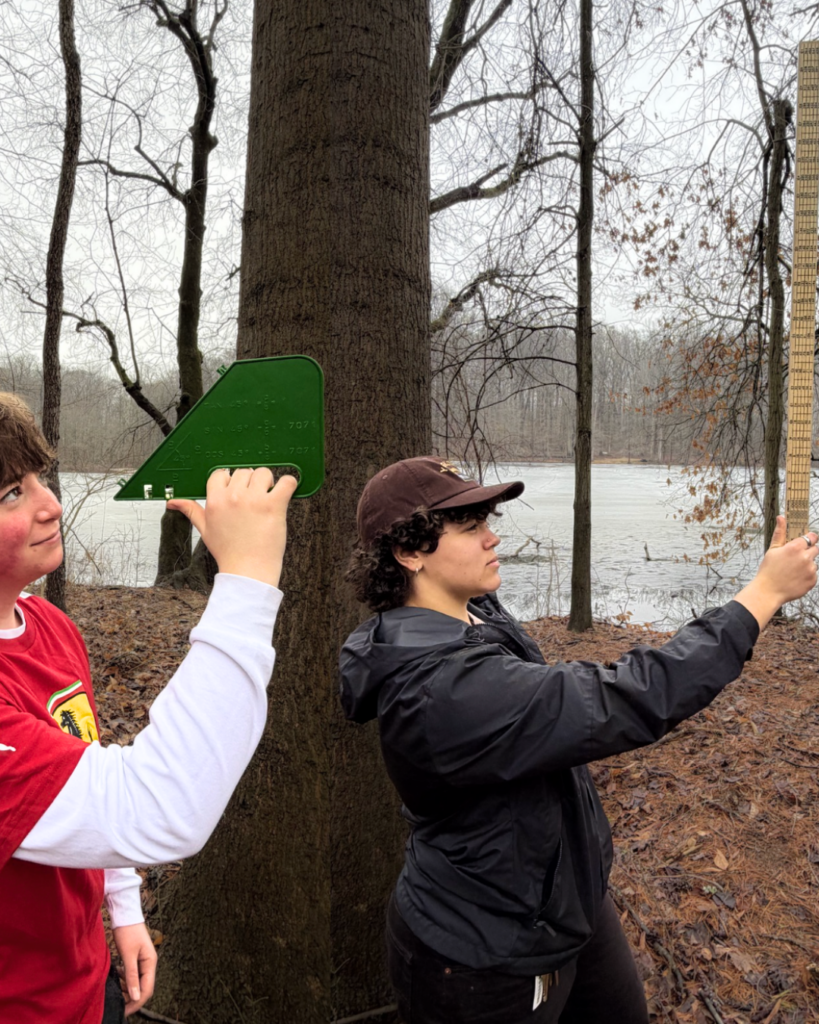
“Using traditional forestry techniques, students measured DBH and tree height, estimated tree age through growth factor calculations, tree coring, and dendrochronology analysis, and then used these measurements to calculate wood volume, carbon storage, and economic value. Each tree has been permanently tagged with a numbered blue metal marker, and all locations have been mapped using Google Earth, allowing future classes to relocate and remeasure the same individuals over time.
“The broader vision is to add a new dominant tree species from a different forest stand each year, creating a long-term record of Westtown’s forests. As the database grows, students will be able to monitor forest growth, carbon sequestration, species composition, and ecological change across campus. We also hope to partner with organizations that have collected tree data at Westtown in the past and incorporate archival records to compare historical and contemporary forest conditions. This will allow future students to ask increasingly sophisticated questions about how our forests have changed and how they may continue to change in the decades ahead.
“One of the most interesting findings was the immense ecological and economic value represented by some of our largest trees. Several individual tulip trees were estimated to store nearly 20 metric tons of carbon dioxide and have retail lumber values exceeding $30,000. More importantly, the project helped students recognize that mature forests are not just collections of trees, but living systems that provide critical ecological services, store vast amounts of carbon, support biodiversity, and represent generations of natural growth and stewardship. The study also emphasized the ecological importance of old-growth trees and riparian forests, highlighting their unique roles in supporting wildlife habitat, maintaining water quality, enhancing ecosystem resilience, and sustaining biodiversity.”