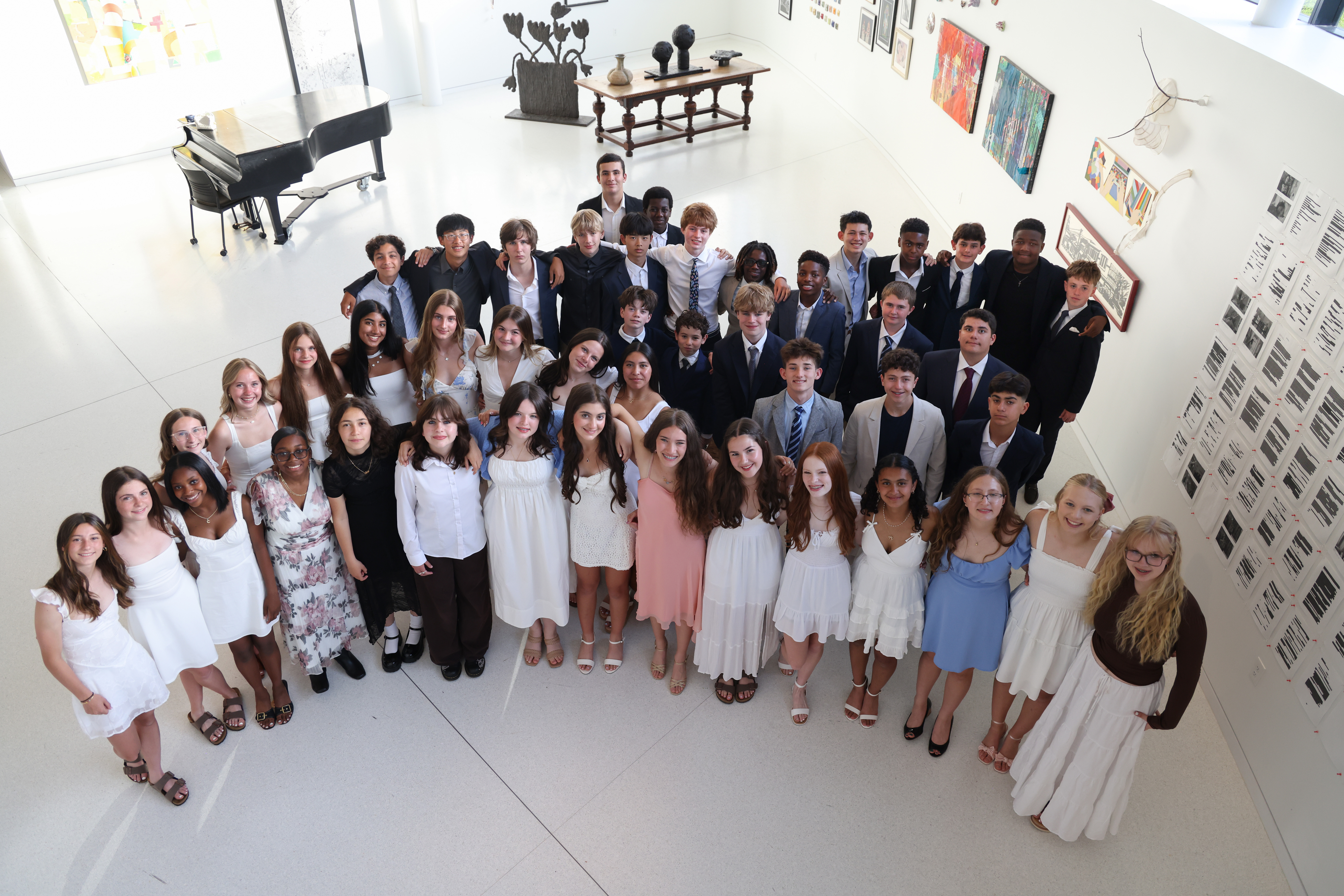
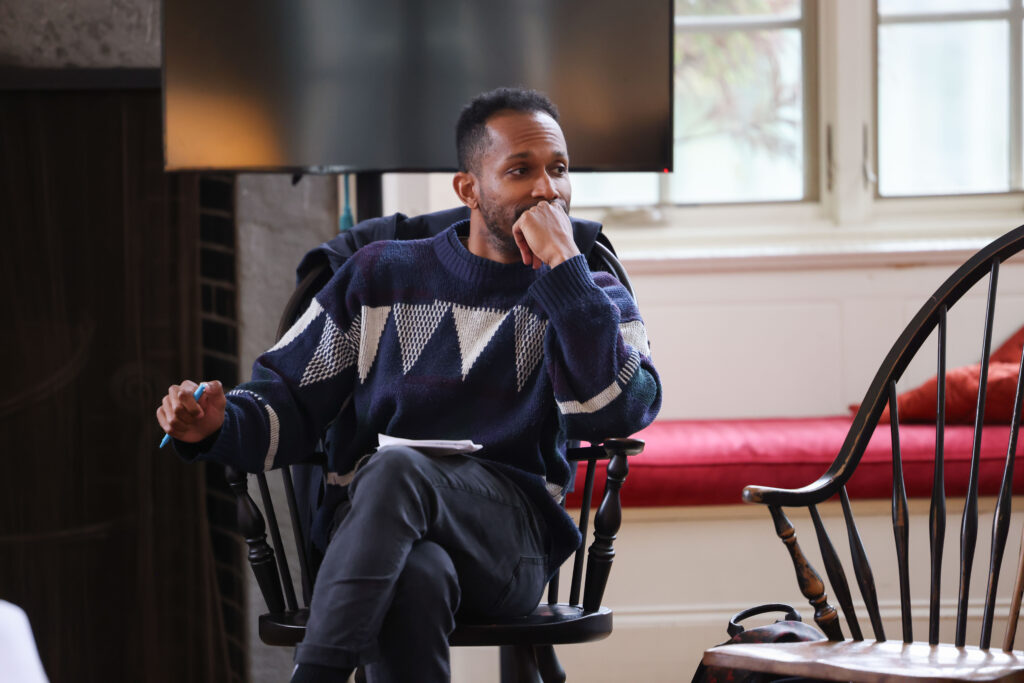
On June 4, eighth grade students, their families, and Middle School faculty gathered to celebrate the Middle School Closing Ceremony. There were wonderful performances by students, as well as reflections from each student on their time in Middle School. Congratulations to our rising ninth graders! Enjoy more photos here!
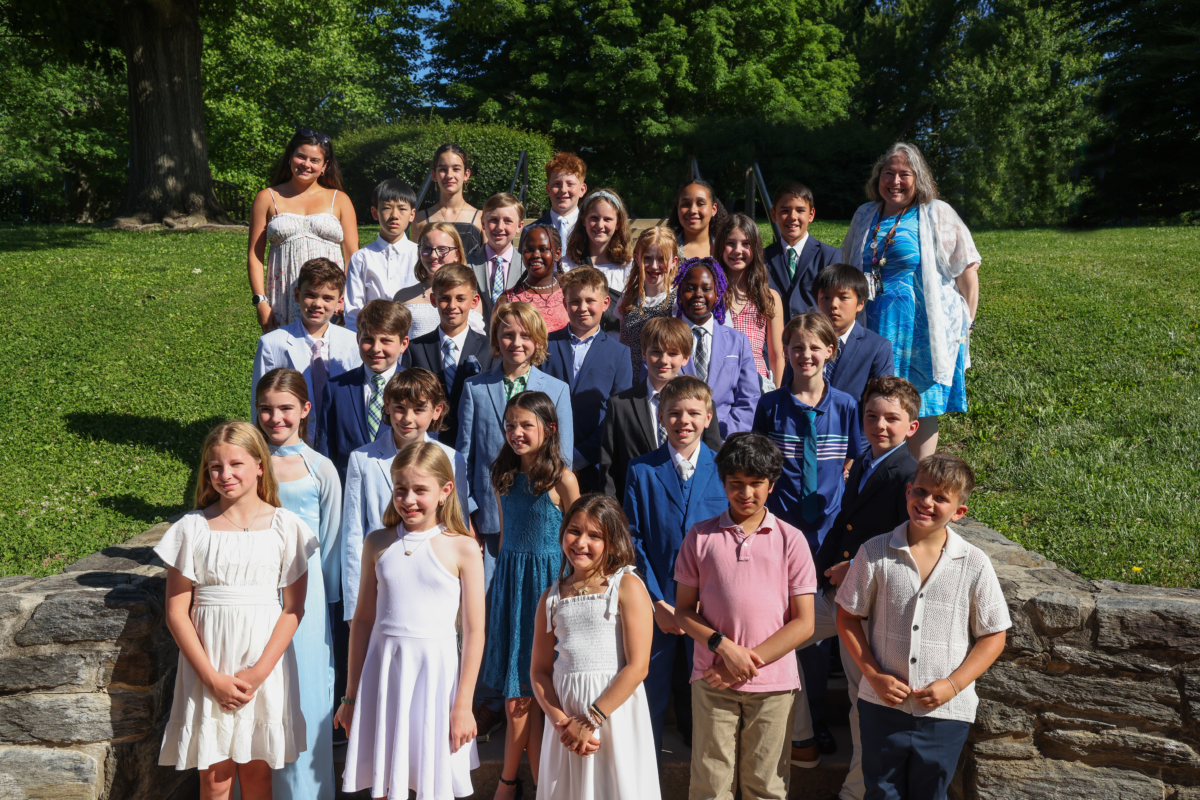
On June 5, fifth graders, along with their families, gathered for their last Meeting for Worship as Lower School students. From the facing benches in the Meeting House, students shared thoughtful reflections about their time in Lower School, a long-time and beloved tradition. Congratulations to our rising sixth graders!
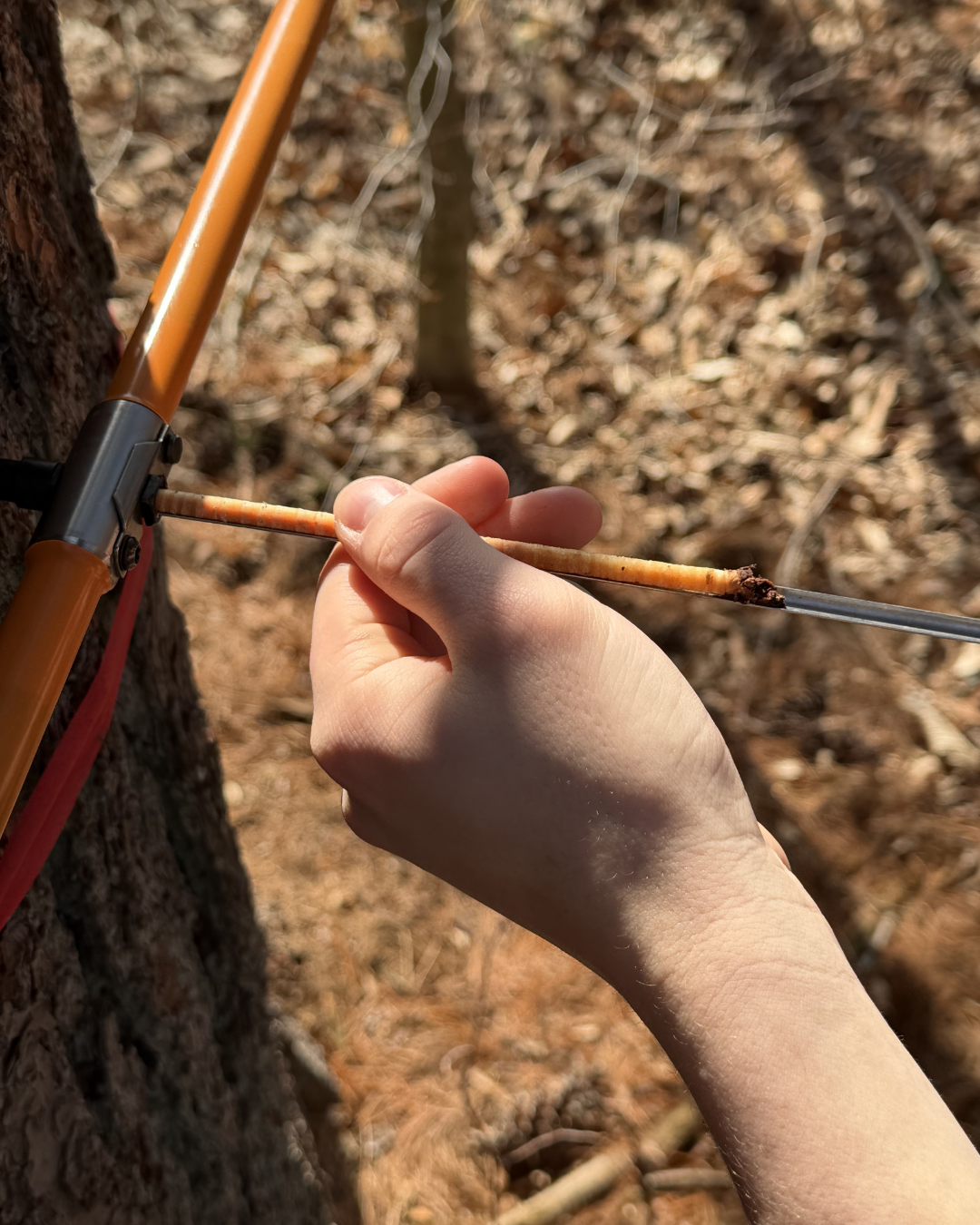
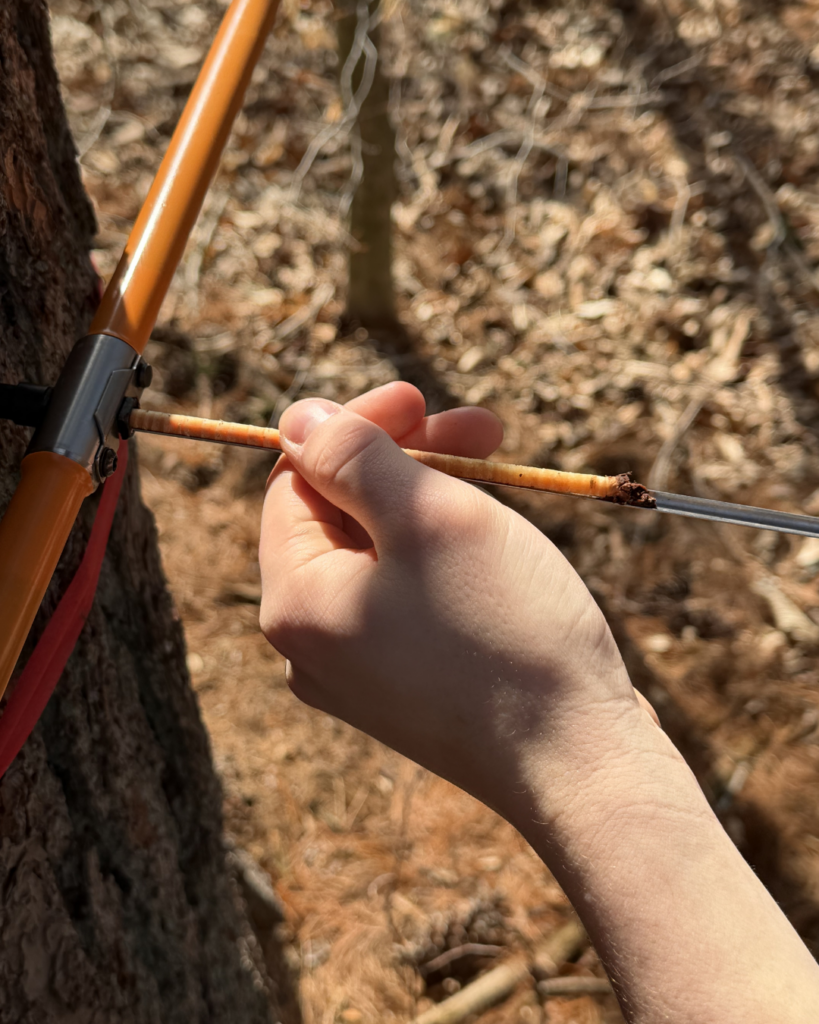
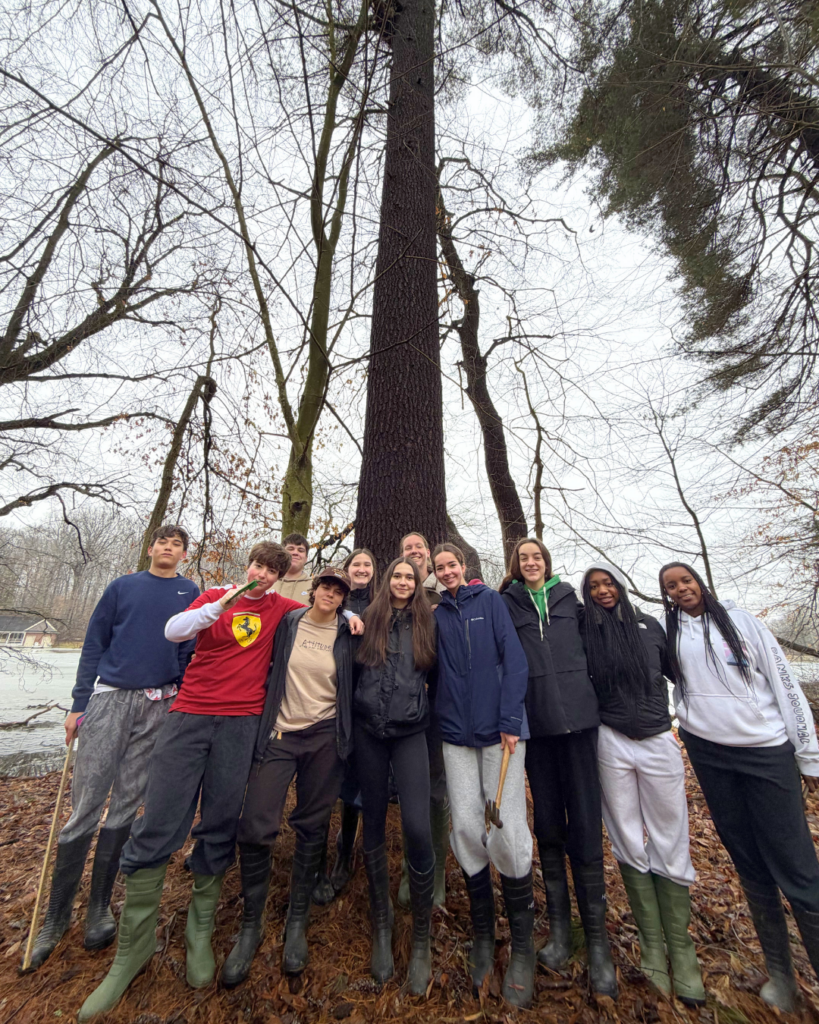
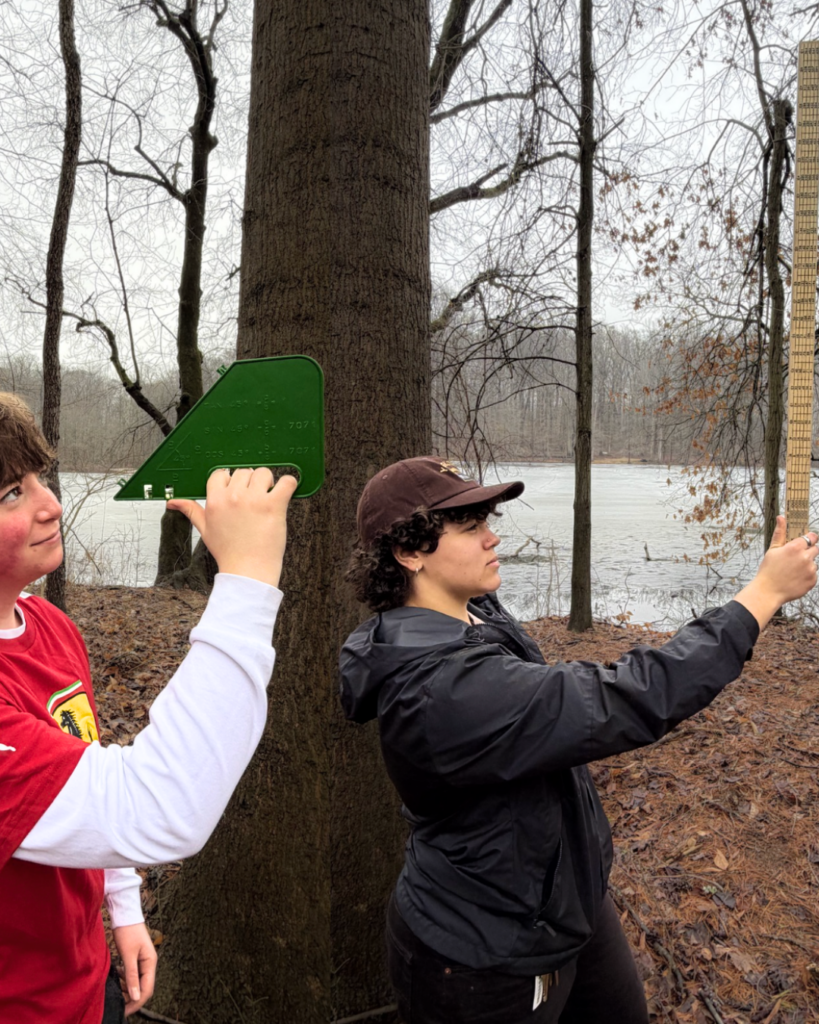
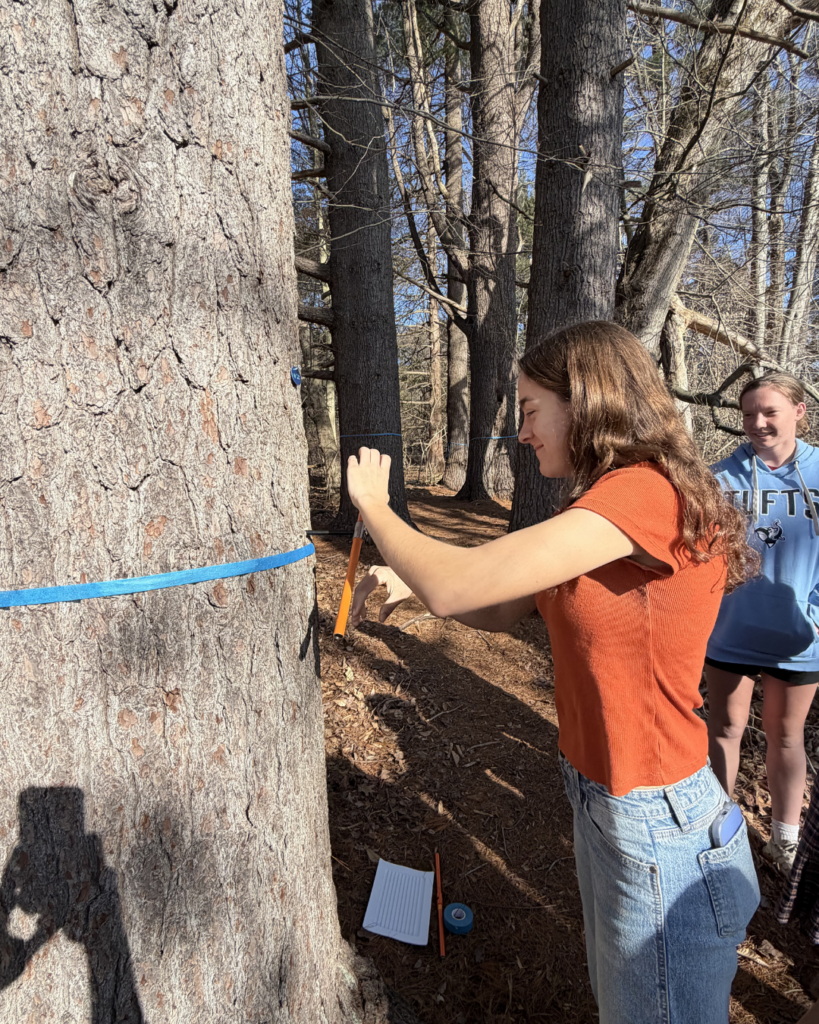
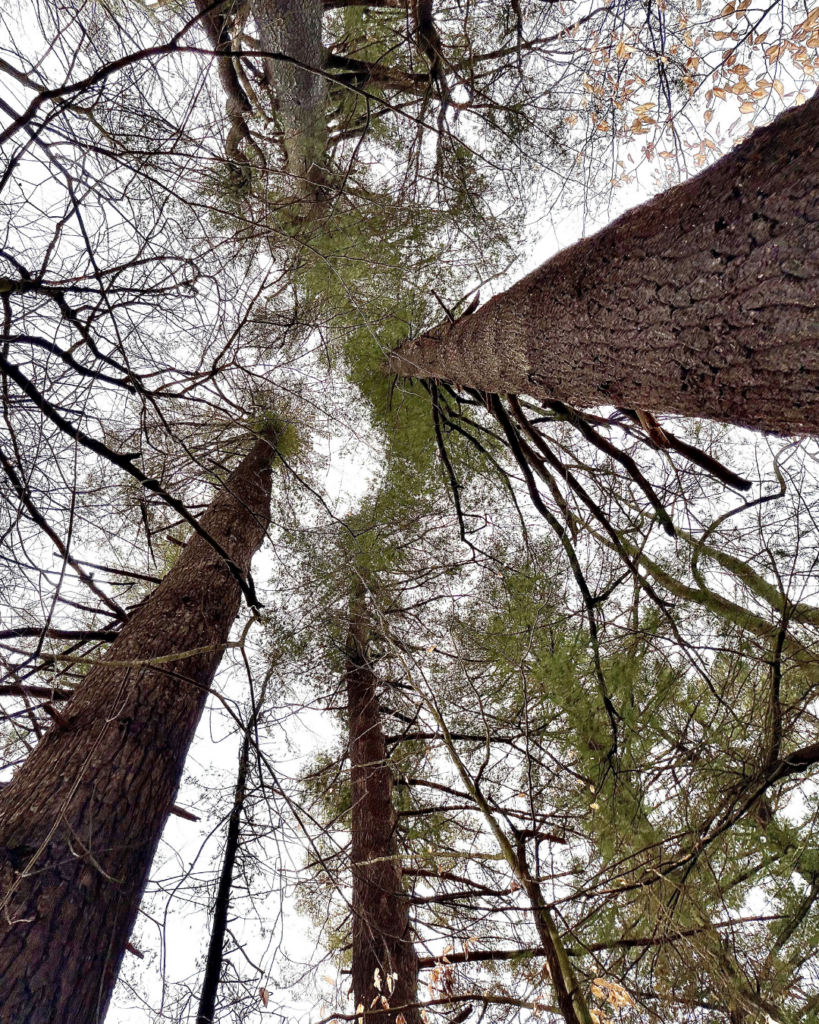
Over the past few years, teacher Ryan Black‘s Advanced Environmental Science Field Research classes have been studying Westtown’s forests. One of their goals has been to build a forestry database. This spring they reached a major milestone by surveying their 50th tree and coring more than 20 trees across campus. From tulip poplars in the South Woods to eastern white pines along Westtown Lake, students collected real field data, such as height, diameter at breast height (DBH), and logs. This data was used to estimate age, wood volume, carbon sequestration, and economic value. As you might imagine, some of these trees are over 200 years old.
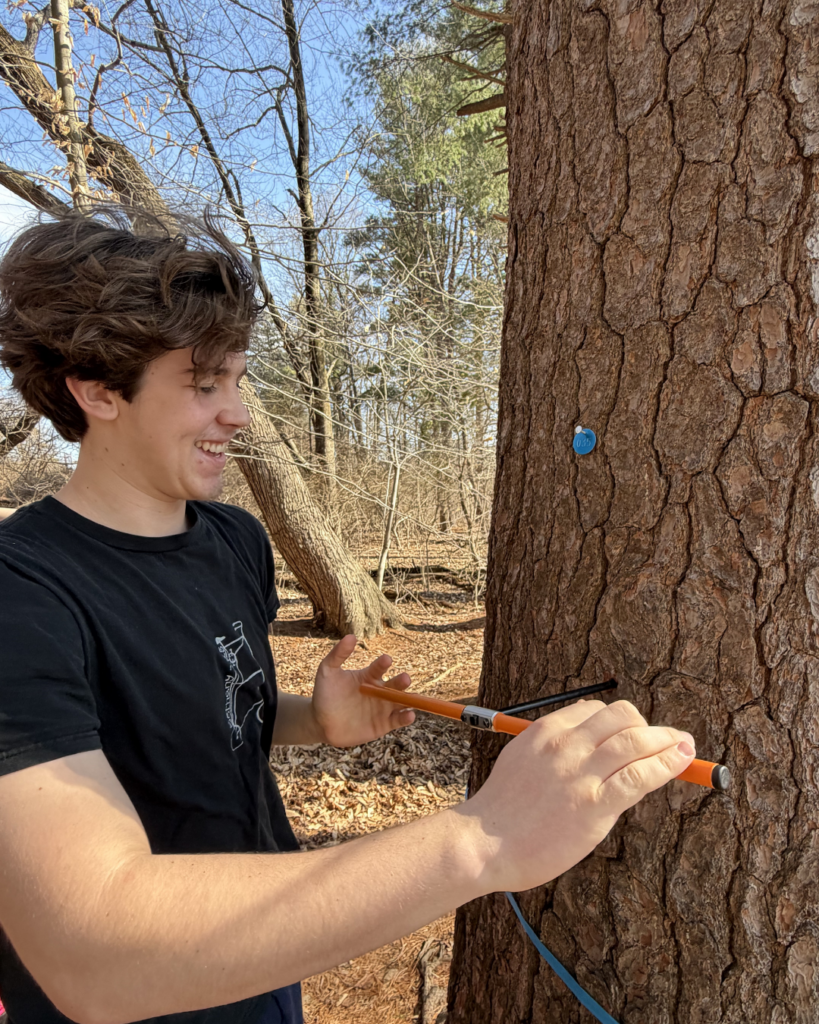
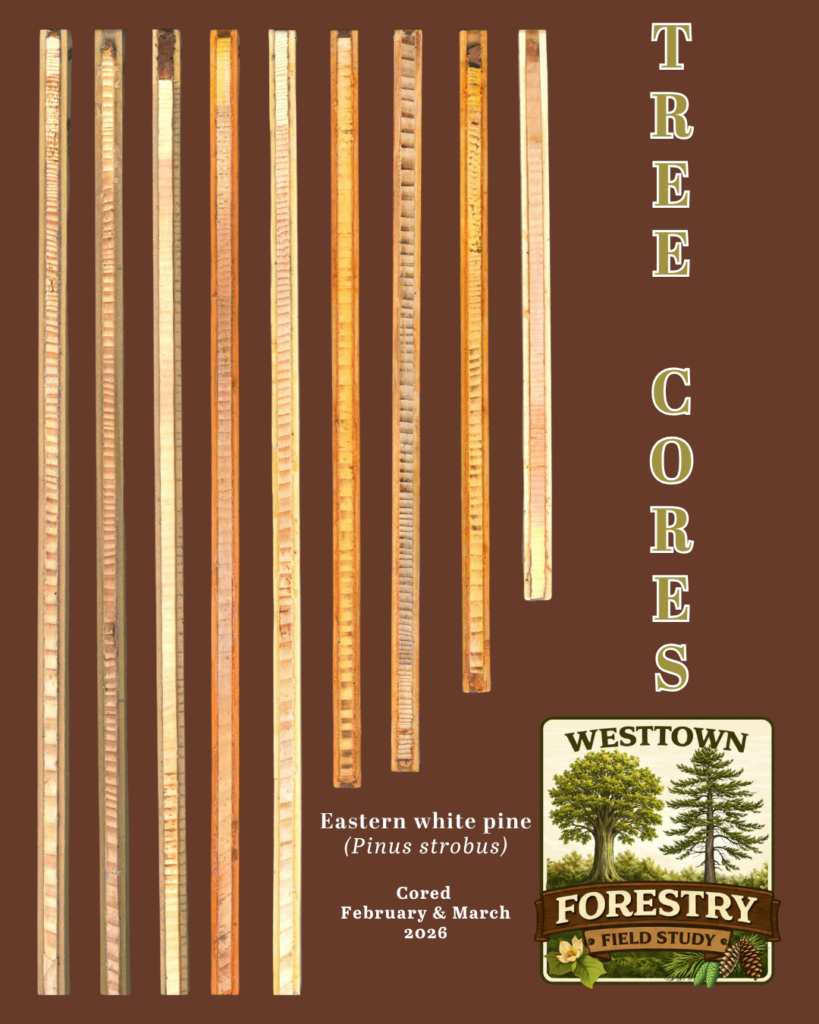
Black says, “The real story lives in the rings. Students extracted and mounted cores using an increment borer, trekking out to the lake multiple times through wet, rainy conditions. They then measured each ring width, calculated the Ring Width Index, and built a detrended master chronology to study past climate, which revealed increased variability in our local climate signal.”
He continues, “The project began during the 2023–2024 school year as a pilot study focused on tulip trees (Liriodendron tulipifera) in the South Woods. Last year, students surveyed, measured, mapped, and permanently tagged 25 tulip trees, launching a long-term effort to establish a comprehensive Westtown forestry database. This year, students expanded the project by surveying and analyzing 25 eastern white pines (Pinus strobus) along the North Lake Trail, bringing the database to 50 mapped and monitored trees across two forest stands.
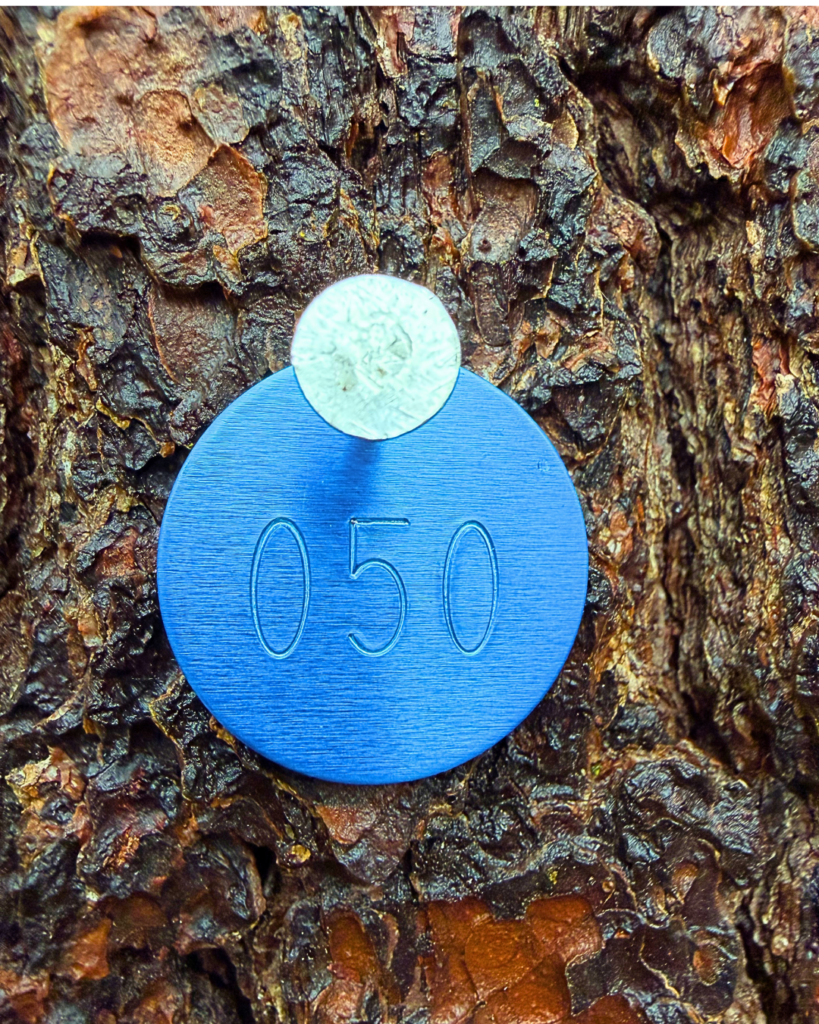
“Using traditional forestry techniques, students measured DBH and tree height, estimated tree age through growth factor calculations, tree coring, and dendrochronology analysis, and then used these measurements to calculate wood volume, carbon storage, and economic value. Each tree has been permanently tagged with a numbered blue metal marker, and all locations have been mapped using Google Earth, allowing future classes to relocate and remeasure the same individuals over time.
“The broader vision is to add a new dominant tree species from a different forest stand each year, creating a long-term record of Westtown’s forests. As the database grows, students will be able to monitor forest growth, carbon sequestration, species composition, and ecological change across campus. We also hope to partner with organizations that have collected tree data at Westtown in the past and incorporate archival records to compare historical and contemporary forest conditions. This will allow future students to ask increasingly sophisticated questions about how our forests have changed and how they may continue to change in the decades ahead.
“One of the most interesting findings was the immense ecological and economic value represented by some of our largest trees. Several individual tulip trees were estimated to store nearly 20 metric tons of carbon dioxide and have retail lumber values exceeding $30,000. More importantly, the project helped students recognize that mature forests are not just collections of trees, but living systems that provide critical ecological services, store vast amounts of carbon, support biodiversity, and represent generations of natural growth and stewardship. The study also emphasized the ecological importance of old-growth trees and riparian forests, highlighting their unique roles in supporting wildlife habitat, maintaining water quality, enhancing ecosystem resilience, and sustaining biodiversity.”
Some of the most rewarding experiences that Westtown offers don’t happen here on campus; they happen all over the world through school-sponsored trips. This past spring, student groups traveled to China, Ghana, Italy, and Washington, DC. Each of these trips provided unique and distinct experiences, ones that expanded our students language acquisition, cultural competence, sense of personal agency, and world view. Read on to learn more about each adventure.
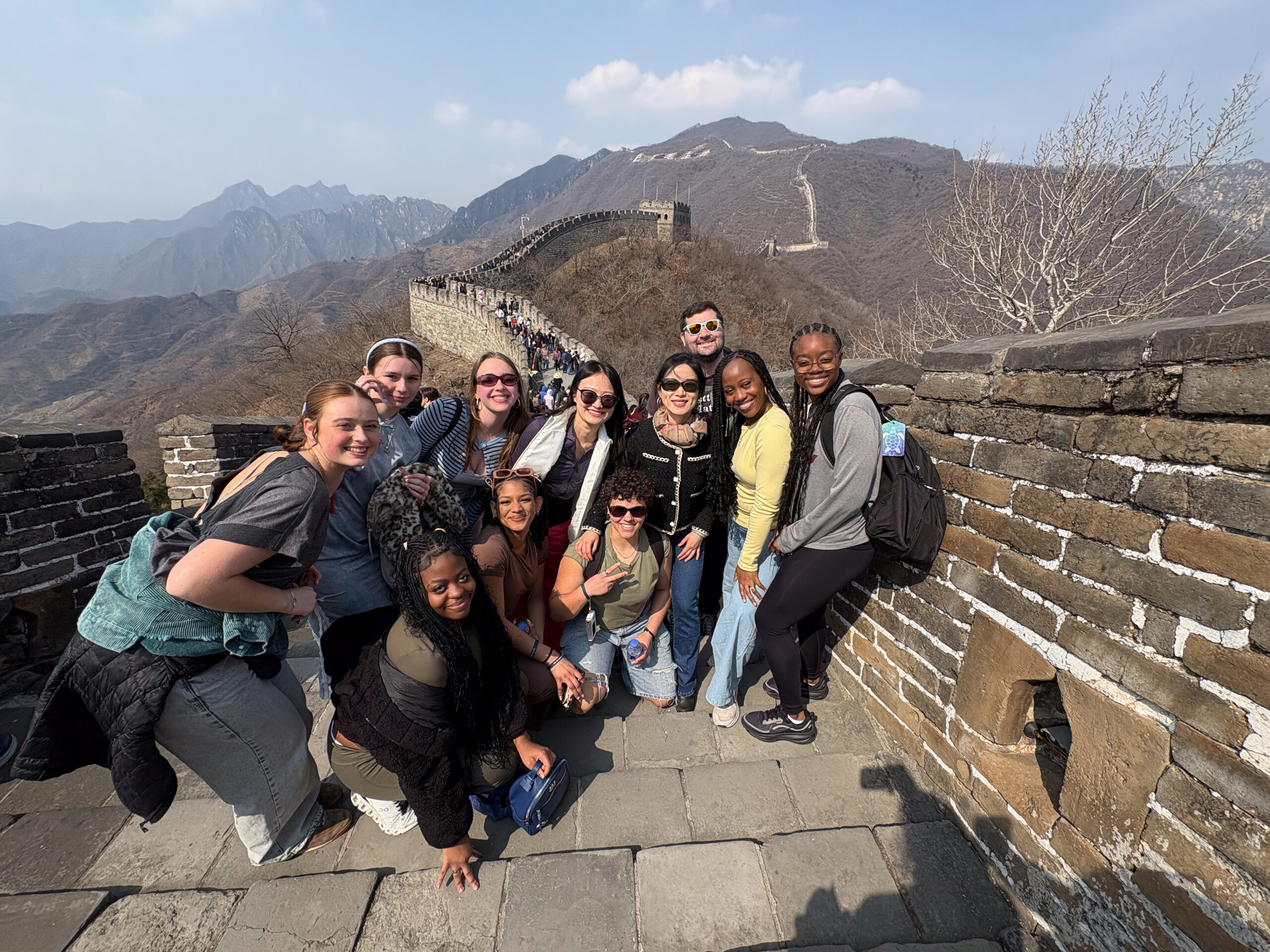
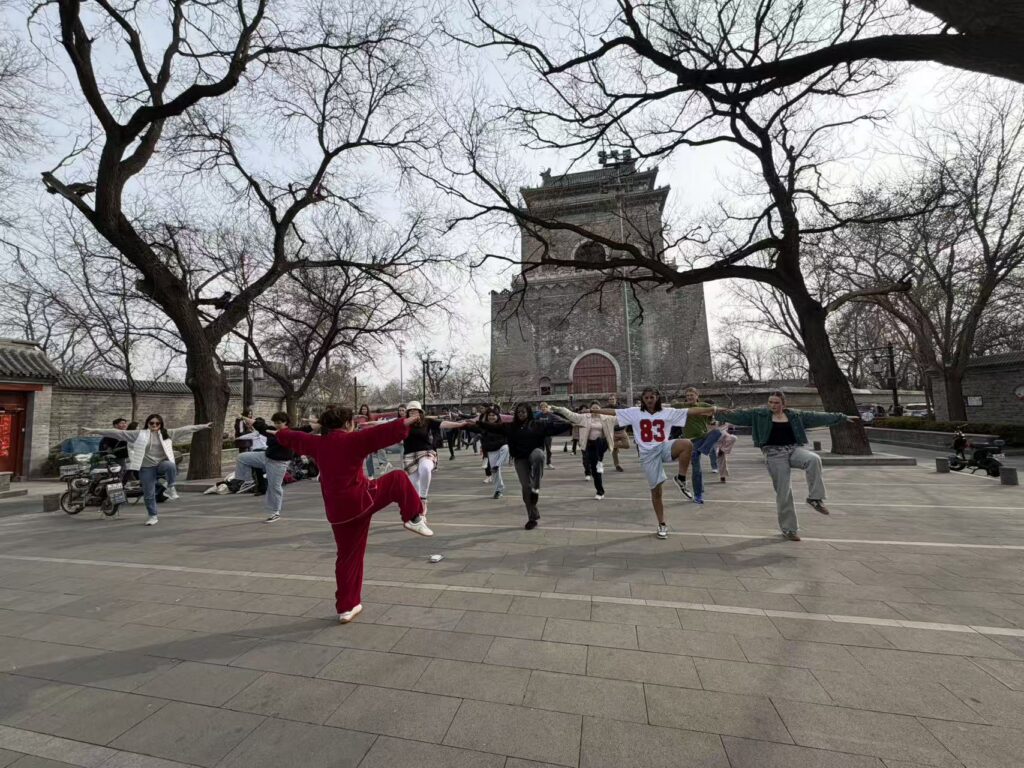
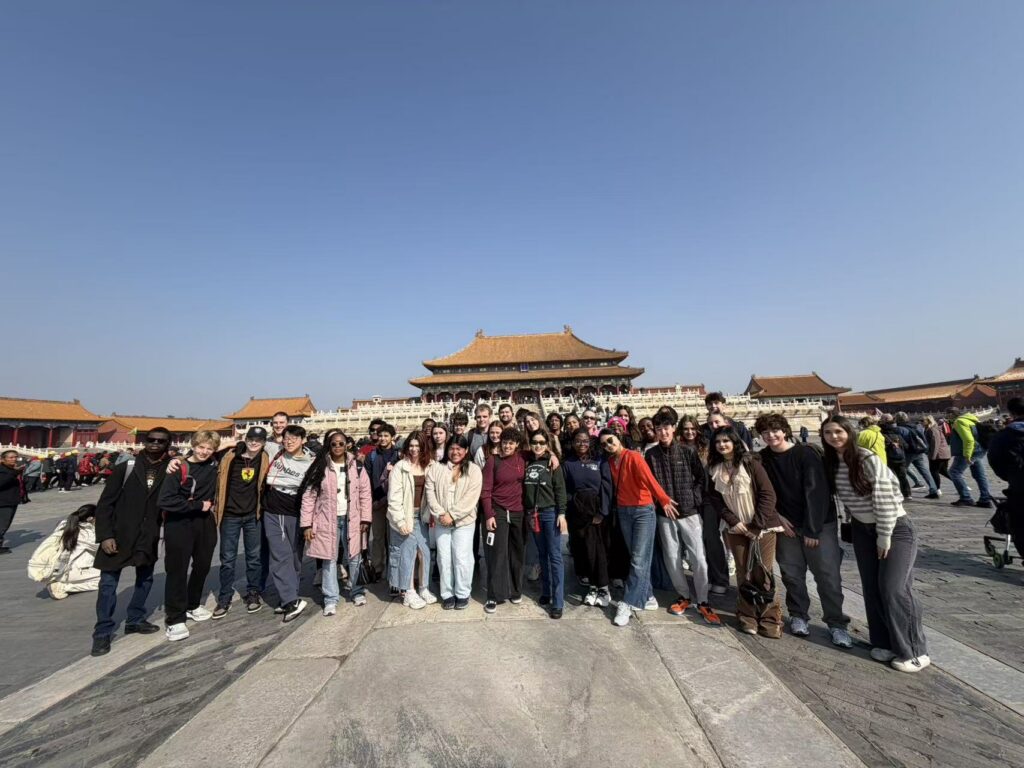
CHINA Led by teacher Bei Zhang along with co-chaperones Robert Frazier, Jacob Norton, Janiel Samuels, and Nina Li, a group of 35 students traveled to China over spring break. This 14-day adventure began in Beijing where students visited Tiananmen Square, the Forbidden City, the Bird’s Nest Olympic Stadium, and the Summer Palace. They enjoyed a dragon boat ride, had a tai chi lesson, then dined on Peking Duck, among other special experiences in Beijing. They were fortunate to also visit a section of the Great Wall of China that is one of the best preserved and less traveled by tourists.
From Beijing the group travelled to Xi’an where students took a calligraphy class, visited the Terracotta Army archeological dig site, and enjoyed a street food market in the city’s Muslim quarter. A highlight was that Westtown student Angela Feng’28 and her parents hosted the group in Xi’an and all the students and adults traveled back to the Tang Dynasty, wore cultural Tang outfits, and enjoyed an imperial-palace-style dinner with performances.
The next stop was Chendgu where another Westtown student, Mary Chen ’27, and her family hosted the group. Shares Zhang, “We had an amazing hot pot dinner in a famous traditional ally called Kuan Zhai Xiang Zi, and enjoyed many traditional performances such as face-changing performance, Kung Fu tea performance, Chinese traditional dances, and panda hip-hop. Felicia Chang’28 treated the group to a well-known Chinese bubble tea called Xi Tea.”
On a day trip to Dujiangyan, a UNESCO World Heritage site, the group took in the Chinese countryside, learned about the irrigation system, a feat of engineering dating back to 256 BCE.
The trip came to a close in Shanghai where students experienced the Shanghai World Financial Center, walked along the Bund, visited the Jade Buddha Temple and the Yu Garden.
This experience made a deep impact on students. “[This] trip was life changing,” says Camille Bley ’26. “I’ve been learning Chinese since seventh grade, and although I have immersed myself outside of class, nothing has compared to being in China. It was so fulfilling to be able to use what I had learned in the classroom in real-world situations, like asking for food recommendations and directions. I was able to explore many cities and cultural sites while also interacting with the local community.” Leila Alobeidy ’28 adds, “The China trip was one of my best life experiences because we had so much fun while exploring somewhere totally new. We got to talk to locals and learn at amazing historic sites most people only dream of seeing and try all sorts of new things that we couldn’t on a regular trip. It’s amazing that the school can sponsor such an incredible program!”
Zhang sums up the experience, “It was amazing to see China through our students’ eyes. I am super proud of how they embraced the trip with an open mind and lots of curiosity, branched out and stepped out of their comfort zone, made new friends and cared for each other, and used their language skills and cultural knowledge throughout our trip. It was also wonderful that some of our Westtown Chinese students and parents met up with us and hosted us in different cities in China, which made our trip extra special and memorable.”
GHANA After several months of orientation sessions, fourteen students and trip leaders Lynette Assarsson, Marissa Colston, and Joseph Daniels embarked upon a12-days trip to Ghana, a signature offering at Westtown since 2008. This trip offers cultural immersion, the opportunity to build relationships, learning about the history of the transatlantic trade of the enslaved, and experience in the classroom setting. The trip centers around our sister school, Heritage Academy, founded by former Westtown faculty member Kwesi Koomson in his hometown of Breman Essiam in the Central Region.
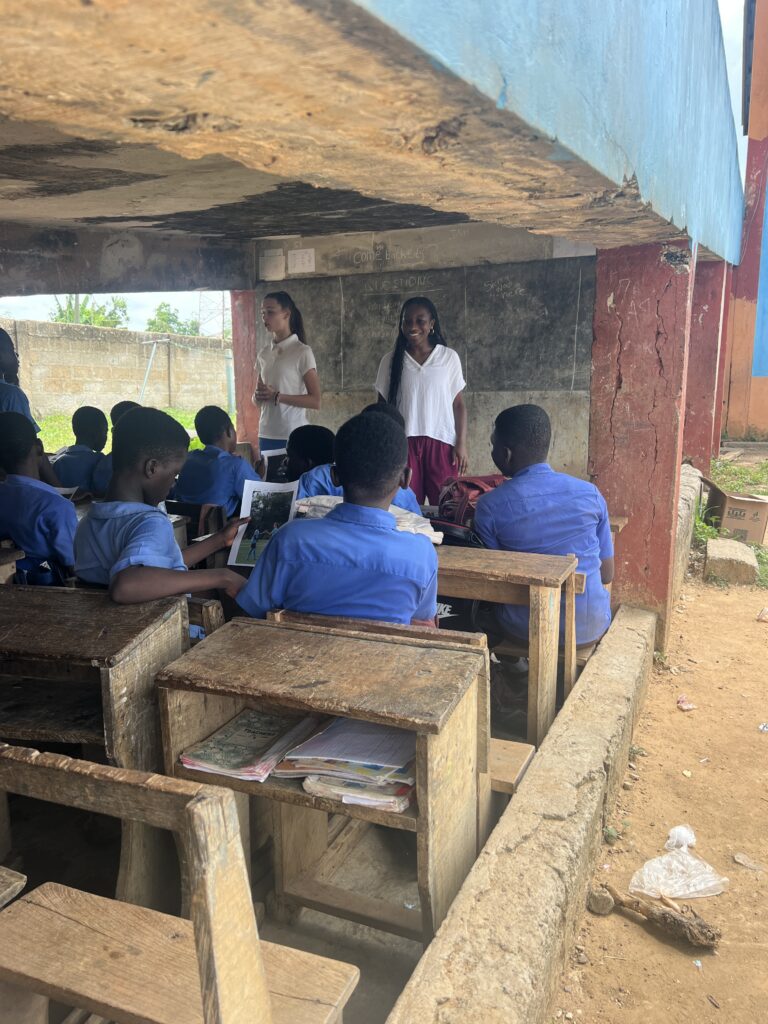
When the group arrived at Heritage Academy, they were met with a beautiful and moving welcoming ceremony. Westtown students immediately dove into this experience, some joining the traditional dance. Our students spent a week teaching classes to Heritage Academy’s middle school students. This year’s group offered classes in animal biology, arts and crafts, creative writing, dance, physical education, and teambuilding/soccer. They also worked with small groups of Heritage students in the Reading Program each day, which helps them with reading, comprehension, and pronunciation skills in English. Our students were deeply engaged in their teaching and many shared that they learned as much from the Heritage students as they taught them.
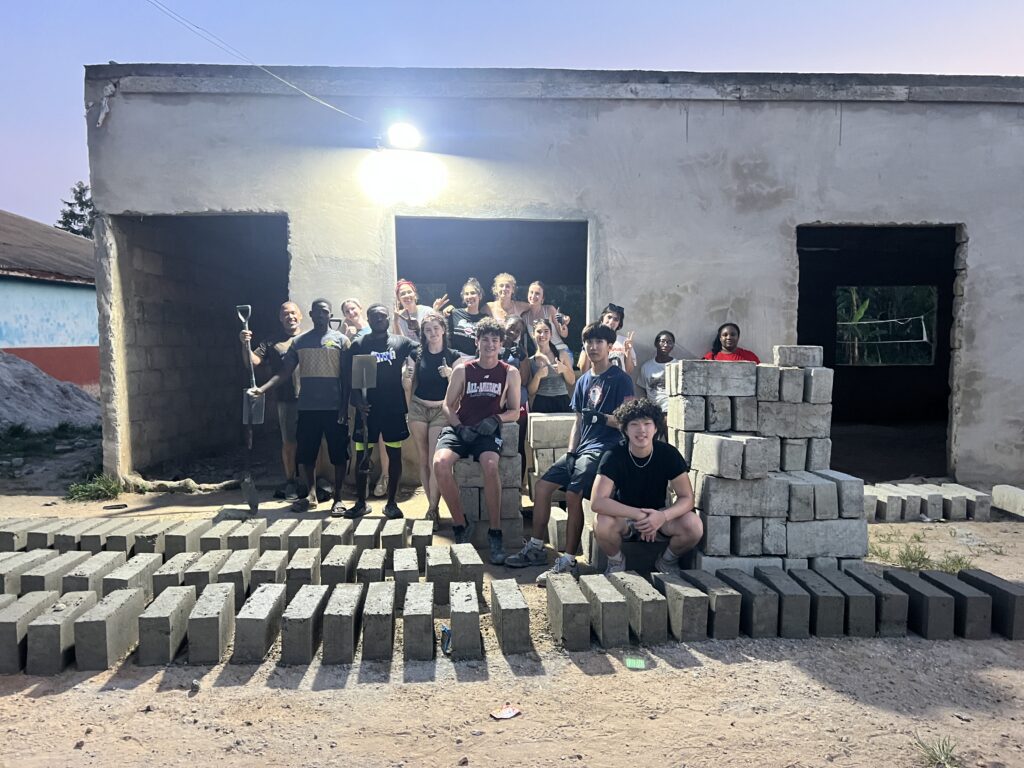
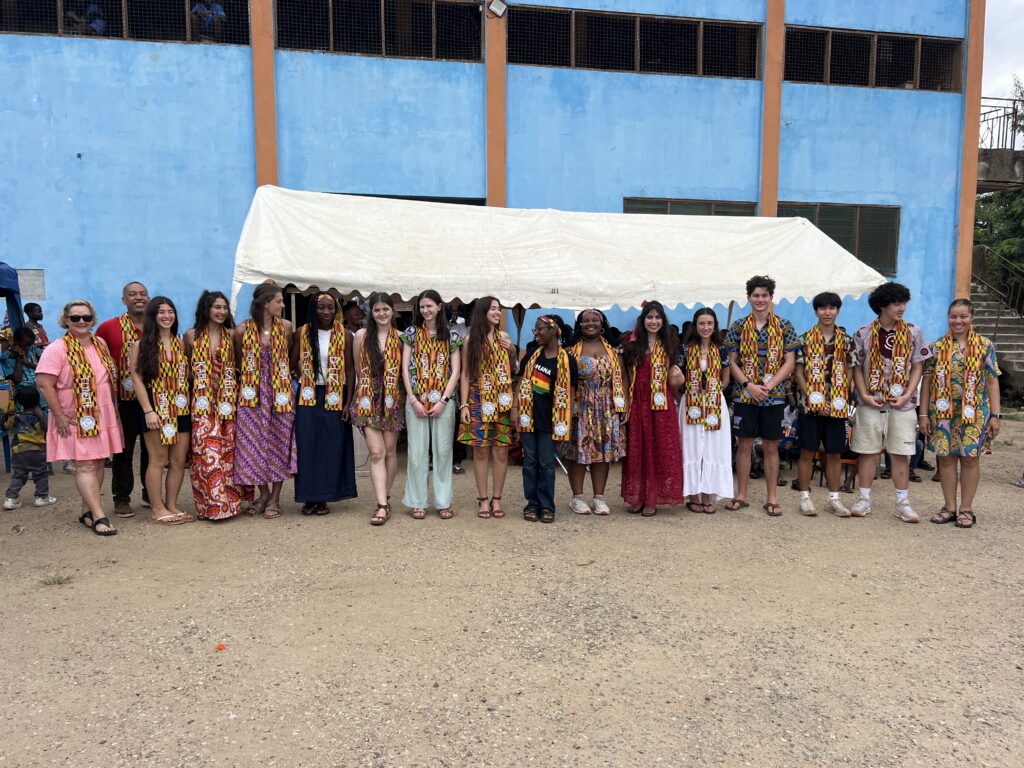
After the school day, the group made cement blocks by hand as their service project for Heritage. They completed a whopping 208 blocks, a record for Westtown groups! Westtown students have been making blocks for the past several trips which have been used for building repairs and—most significantly—to construct a new middle school building, which Heritage has named Westtown Hall in honor of the many visits and service projects by Westtown School group over the years. At the end of the teaching week at the closing ceremony, Heritage Academy officials presented each of the group with a Kente cloth sash with their name embroidered on it, and the Heritage logo, which was quite an honor. The ceremony concluded with dancing and celebration, an emotional time as they said their goodbyes.
The group took several excursions to important historical and cultural sites. Students learned about the history of the transatlantic trade of the enslaved through tours of the Elmina and Cape Coast Castles. Elmina was the first permanent European structure built in sub-Saharan Africa and the first European slave-trading post. Cape Coast Castle was one of the largest and most horrific posts. These tours were powerful and made brutal history come to life. In Accra, a trip to the Kwame Nkrumah Memorial Park provided more history about Ghana’s struggle for independence and Nkrumah’s life and leadership.
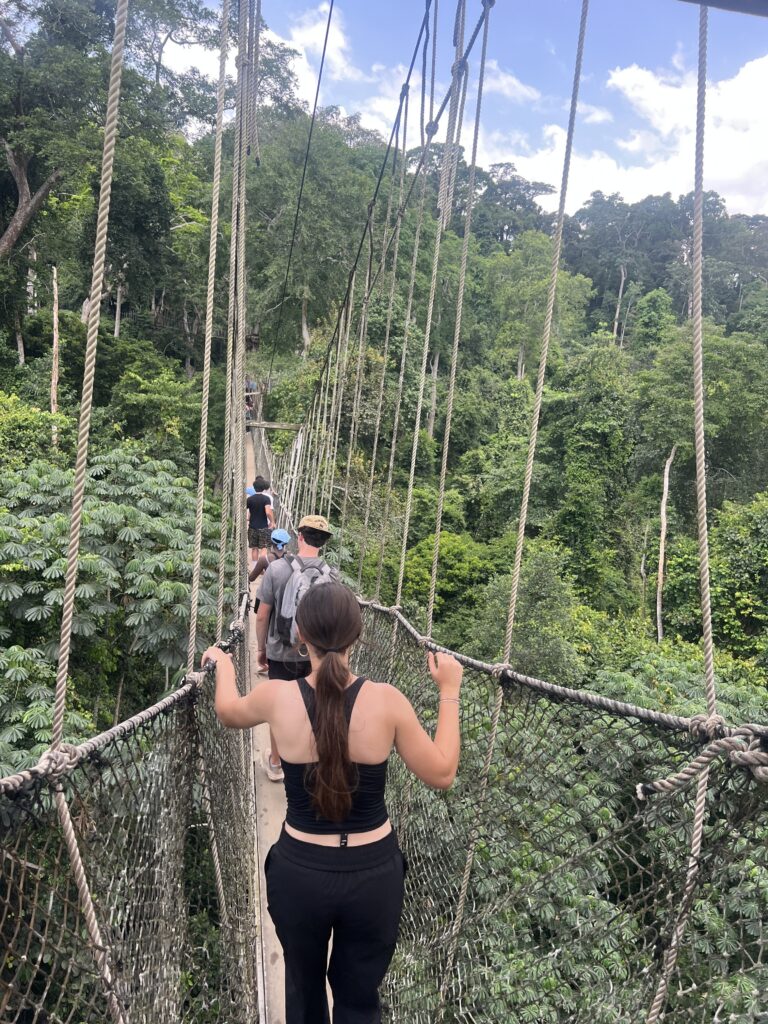
The group also enjoyed the beautiful landscapes of Ghana spending time on the coast and in Kakum National Park, where they braved the roped network of canopy bridges high above the rainforest floor, and tasted raw cacao beans.
The entire experience was marked by authentic cultural immersion. The group stayed in a guest house together in the small village of Ajumako which not only afforded them opportunities to get to know neighbors and experience community life, but also provided them with a home base for sharing meals, relaxing, and bonding as a group. They enjoyed traditional foods like groundnut soup and jollof rice and learned to pound fufu. They went to several local market days to hone their bargaining skills and practice a bit of the Fante language.
“This was an extraordinary group and a transformative experience,” shares trip leader Lynette Assarsson. “It was a privilege to watch our students grow and learn through this journey. They were deeply engaged with teaching and developed real relationships with their students. They were committed to the service project, putting in hard work at the end of long, hot days. They reveled in being in the community and soaked up every opportunity for interaction. This is a physically and emotionally intense trip and our students rose to meet it with a deep sense of curiosity, openness, good humor, and grace. It was a joy to share this adventure with them.”
ITALY Trip leader Ted Freeman and co-chaperone Sarah Wahlberg led the trip to Italy. Freeman shares, “This spring, we traveled to Italy with a group of fourteen students in an effort to bring the ancient world to life beyond the classroom. For Latin students, forging a meaningful connection to the culture they study can be challenging; texts and translations, however rich, sometimes feel distant from lived experience. The goal of this trip was to bridge that gap—allowing students to encounter firsthand the enduring legacy of the ancient world and to see how deeply the past continues to shape the present.
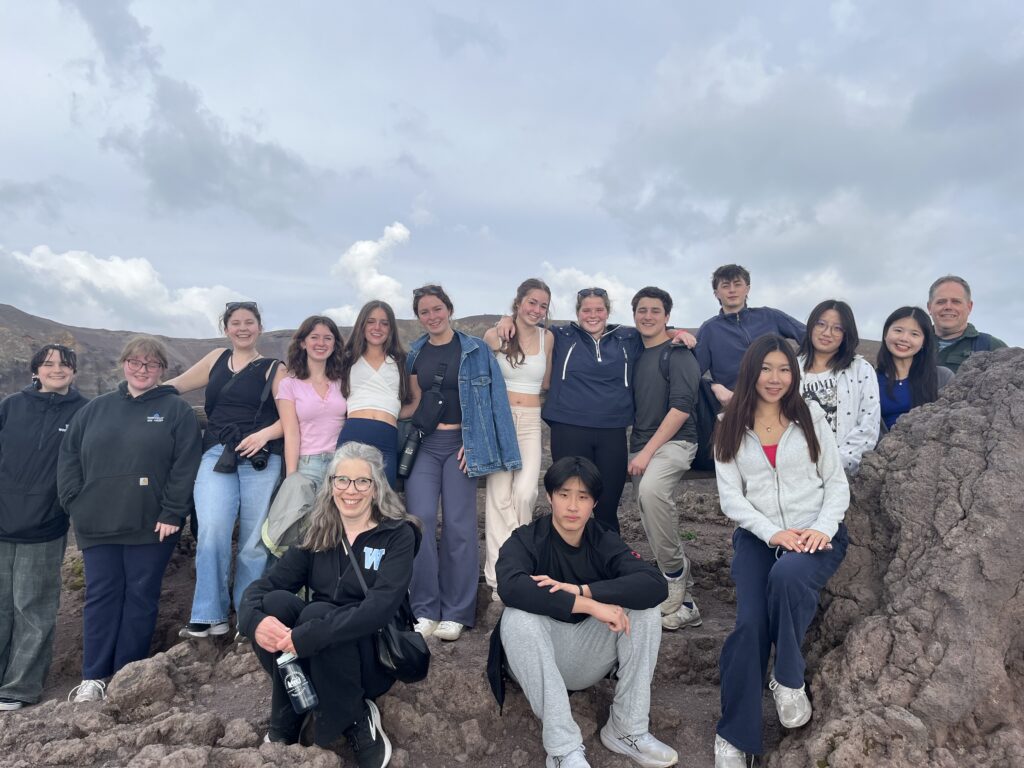
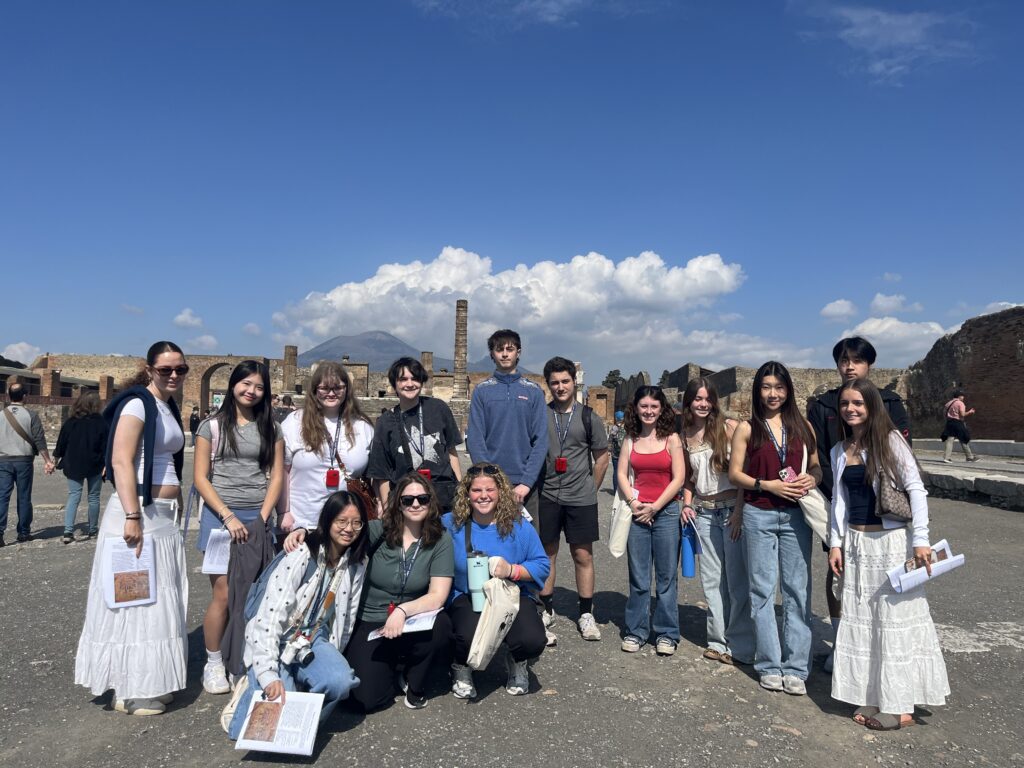
“A central feature of the trip was our practice of loci in locis—reading Latin passages in the very places to which they refer. This approach transforms ancient texts into something immediate and vivid. Our journey began in the Bay of Naples, where we explored the remarkable archaeological sites of Pompeii and Herculaneum. Walking their streets, preserved in ash and time, students were able to visualize daily life in the Roman world with striking clarity. We then climbed to the summit of Mount Vesuvius, the volcano whose catastrophic eruption in 79 AD buried both cities. From that vantage point, students could better grasp the scale of the disaster described in their texts. Our visit continued to Baiae and Cape Miseno, where Pliny the Elder launched his fateful rescue mission. Reading the account of his nephew, Pliny the Younger, gave new weight to his famous declaration, ‘Fortes fortuna iuvat!’—fortune favors the brave. What might otherwise be a line encountered on a page became, in that setting, a moment of human urgency and courage. Experiences like these underscore for students that Latin is not merely an academic subject, but a language that captures real lives, choices, and events.
“The second half of our journey centered on Rome, a city whose history spans more than three millennia. While iconic monuments such as the Colosseum, the Roman Forum, and the Pantheon offered students a sense of Rome’s grandeur and architectural achievement, some of the most meaningful experiences came from less conspicuous sites.
“Among these, a highlight for many was the Basilica of San Clemente, which uniquely encapsulates the layered complexity of Rome’s past. At street level, it appears to be a relatively modest twelfth-century church—especially when compared to monumental basilicas like St. Peter’s or San Giovanni in Laterano. Yet beneath its surface lies a remarkable historical palimpsest. Descending one level, we entered a fourth-century basilica adorned with frescoes depicting the life and martyrdom of St. Clement. Descending further still, we reached a first-century Roman domus, complete with a Mithraic temple, revealing a much older stratum of religious and domestic life.
“To explore San Clemente is, quite literally, to move backward through time. For students, this physical experience of historical layering reinforced a central theme of the trip: that Rome is not simply a city of ruins, but a living record of continuous transformation. Across Italy, and especially in Rome, they encountered a world in which past and present coexist—deepening their understanding of the texts they study and enriching their appreciation for the civilization that produced them.
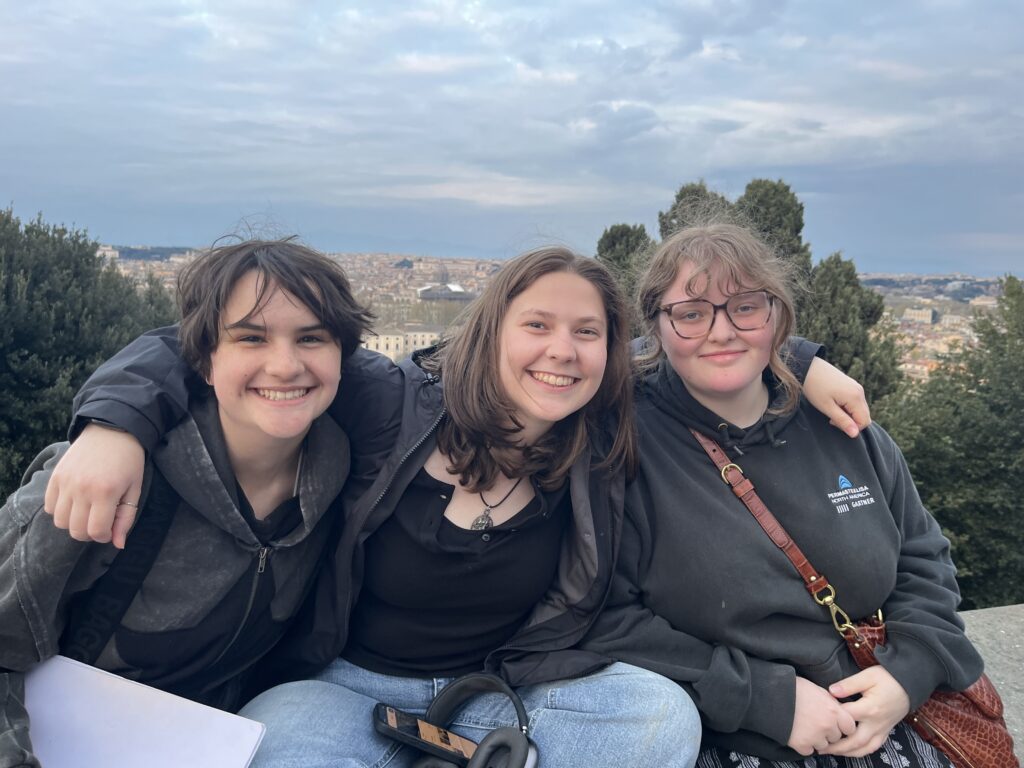
“Our trip concluded on the summit of the Gianciolo, a hilltop west of the Tiber overlooking the Vatican and all of Rome. A busker was crooning classic Italian love songs. Three of our students joined in and treated the crowd to a thrilling rendition of ‘Stand by Me.’ As the sun set over the hilltop, so too did it set on our trip.”
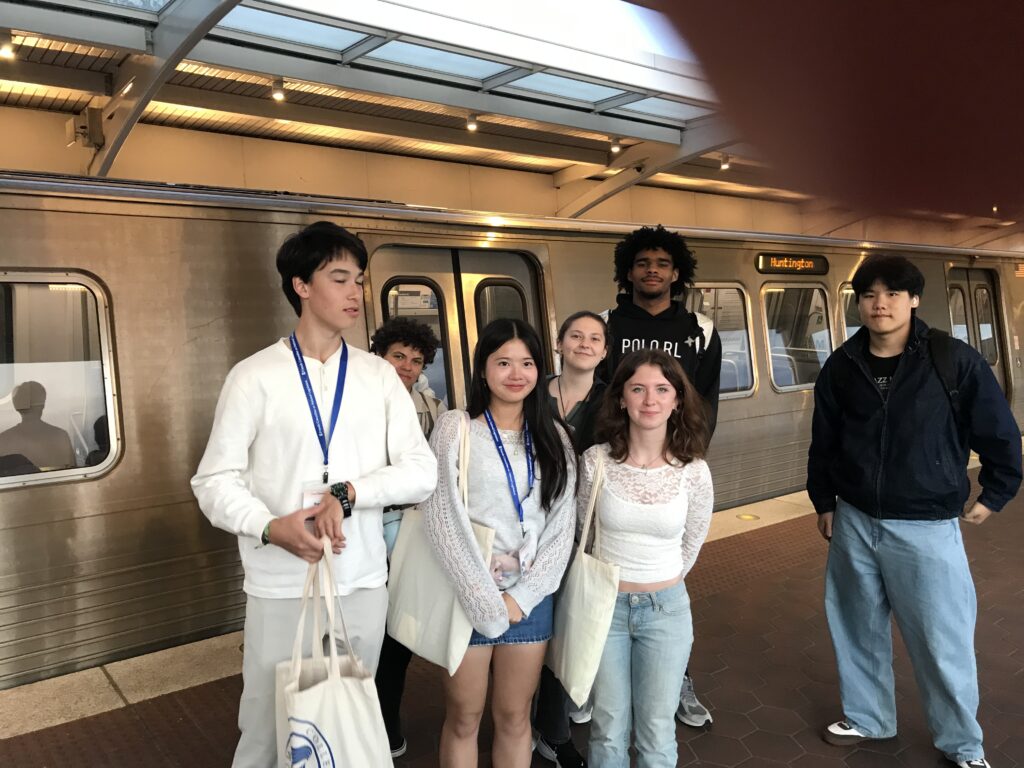
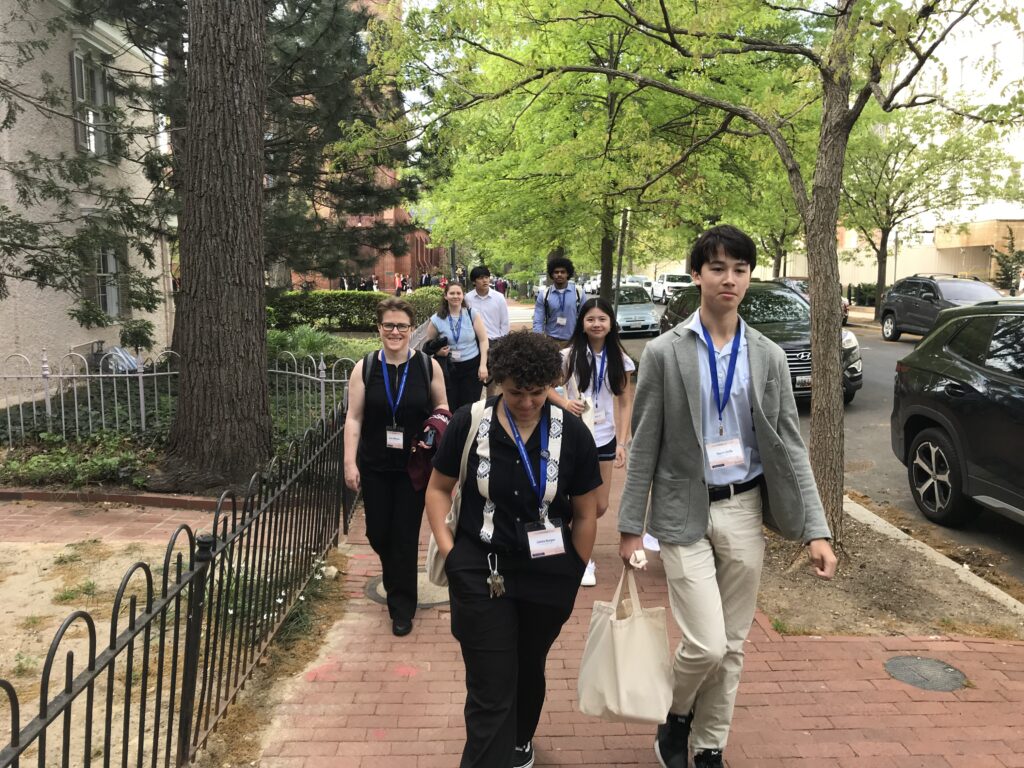
WASHINGTON, DC In April, religion teachers Jonathan Ogle’88 and Becky Wilkinson took seven students—Saige Biddison ’28, Jamila Burgos ’27, Daehee Cho ’28, Ronan Duffy ’28, Maddie Edwards ’27, Sarah Lan ’27, and Hiatt Smith ’27— to Washington, DC, for the Friends Committee on National Legislation’s annual Spring Lobby Weekend, a series of workshops and events for students, recent grads, Quakers, and young adults to learn about lobbying Congress. Each year there is a particular focus and this year’s was militarism home and abroad.
Ogle shared, “We joined over a hundred other participants from all over the country, from college students to community activists, to retired, seasoned Quaker lobbyists. Two other high schools sent delegations as well—Sidwell Friends in Washington, D.C., and Baltimore Friends School in Baltimore—but most of the attendees were young adults or much older, all there to talk to Congressional offices. The topic was opposing militarism at home and abroad. Specifically, we were there to tell Congress not to approve billions of dollars in supplemental funding for the Iran war.
“Saturday and Sunday were intense days of taking notes on panels of experts knowledgeable about Iranian history and politics, U.S.– Iranian relations, military and legal dimensions of the war, and the behind-the-scenes politics of Congressional offices.
“Supplemental workshops included protest art, careers in social change, and learning about the militarization of law enforcement and immigration law over the last fifty years. After add-on workshops where we learned to identify and practice telling stories about why we care about whether Congress funds this war and training in how to have effective conversations with decision makers, we were ready to assign roles and practice for our conversations with Congressional staffers. On Tuesday, we packed our bags, loaded the van, and headed for Capitol Hill to make our appointments with Congress.
“Students shared with staffers their moral concerns about the costs of war and unmet needs for funding in our home communities for hospitals, for example. They also shared stories about people they knew struggling with the idea of being forced to fight and kill people in a war of choice that is in violation of the War Powers Act. On the Senate side, Pennsylvania senator John Fetterman’s staffers were sympathetic, but also clear that he did not support our ask. Nonetheless, they encouraged us to keep bringing the issues forward. Senator McCormick’s staff member was polite but also clear that he believes the war is going well and that the outcomes will be positive for the U.S.
“We then headed to the House side, where most of the group had a productive visit with Representative Chrissy Houlihan’s office and others also visited Representative Dwight Evans’ office and had conversation with Representative Mary Gay Scanlon. In all of those offices, there was a positive reception to the students’ messages. Students came home tired but also energized to use their deeper knowledge of the democratic political process to stay engaged around these issues and continue exercising their voices in our democracy. They are organizing an on-campus Westtown club to participate year-round in FCNL’s efforts to lobby Congress.”
Next year, Westtown will offer school-sponsored trips to Peru, Scotland/England, Spain, and Japan/Korea.
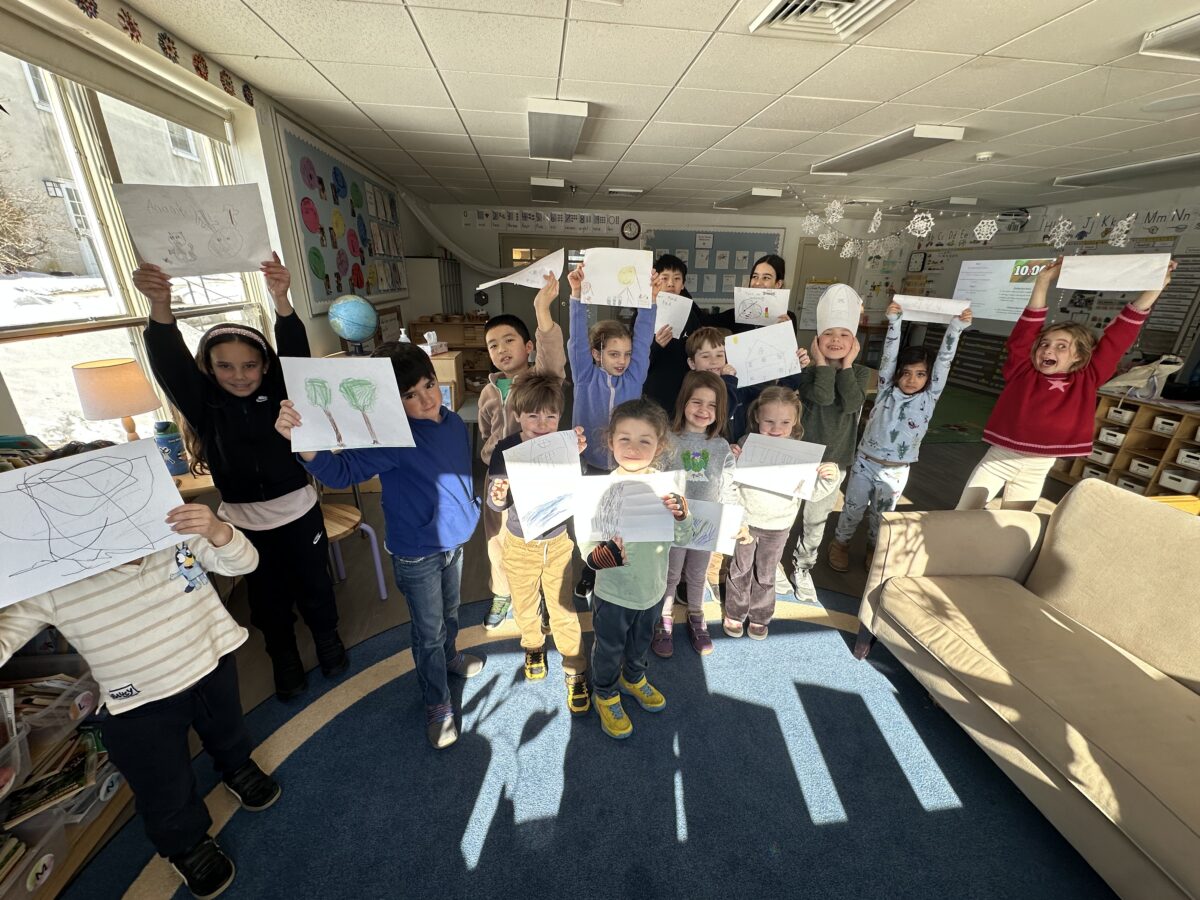
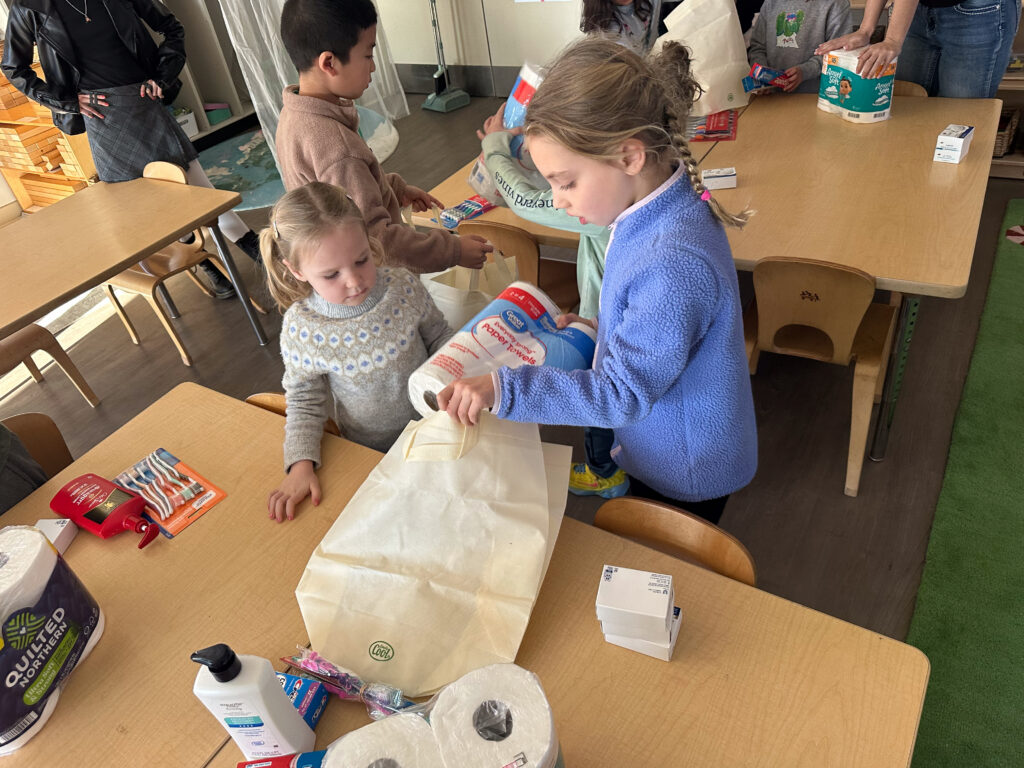
In honor of Martin Luther King Jr. Day, all three divisions studied his work and legacy. In Lower School, students had a Day of Service, collecting donations of basic necessities for families in need in partnership with the non-profit Circle of Giving 2020. Service is not only central to the mission of Westtown School, but also an essential part of our Quaker beliefs, alongside social responsibility, justice, and peacemaking. Lower Schoolers started their day in Gathering, honoring Dr. Martin Luther King Jr. and Civil Rights activists through readings, poetry, and song. Then they rotated through stations to package the donations and reflect on the shared readings.
Lower Schoolers putting together donations for their service project
In Middle School, January was dedicated to community learning and celebration centered on the work of Dr. Martin Luther King Jr. Over the course of the month, the three grades each had a unique focus. Eighth graders learned about the role music plays in the Civil Rights Movement. Seventh graders focused on community by exploring the Ubuntu philosophy, a South African concept of “I am because we are.” Sixth graders learned about service, to begin to understand service learning, and engaged in service projects. Some of the activities included a performance of the musical Bridges by the Philly Sound Exchange, a special Meeting for Worship rooted in Dr. King’s teachings, and a visit from folks at CityWorks that prepared sixth graders for one of their service projects. Finally, seventh graders interviewed members of the school community, reflecting on the impact that we all have on each other.
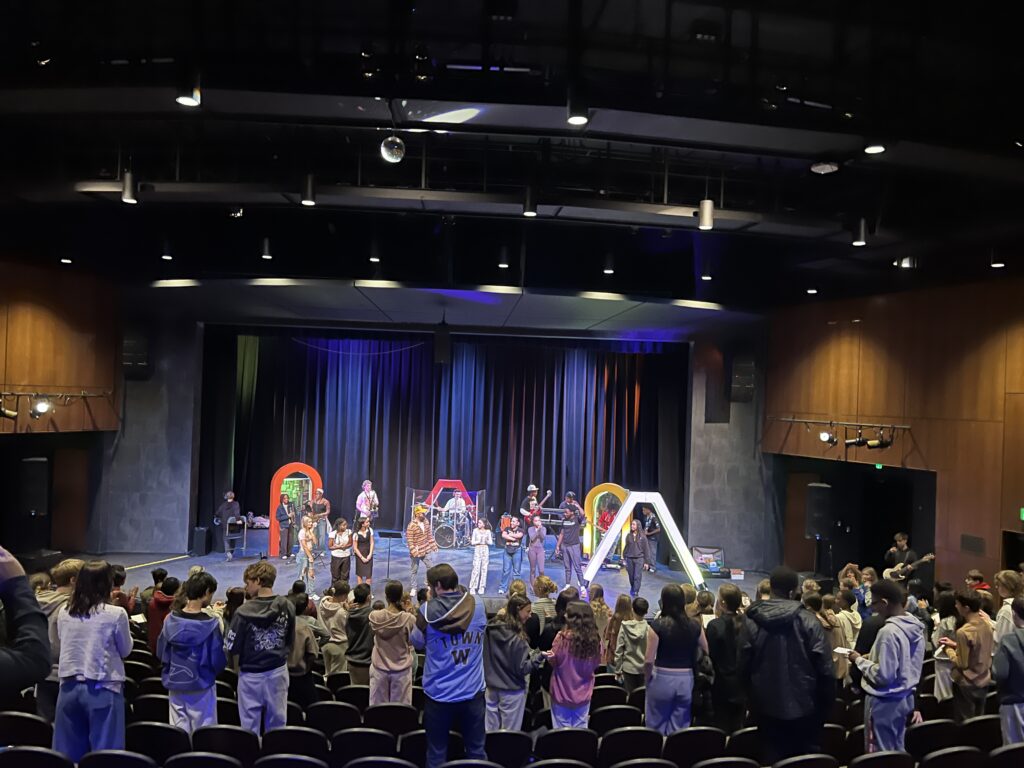
Middle Schoolers on their feet during the Bridges performance by Philly Sound Exchange
In Upper School, students explored Dr. Martin Luther King Jr.’s philosophy of nonviolent direct action through a screening of the film Boycott, which chronicles the Montgomery Bus Boycott and Dr. King’s emergence as a national leader, before breaking into advisory groups for reflection and dialogue. Students examined Dr. King’s understanding of nonviolence as a disciplined, intentional practice rooted in moral courage and preparation—not passivity. Drawing clear connections to Quaker testimonies of peace, justice, and integrity, students reflected on the four steps of nonviolent action—information gathering, negotiation, self-purification, and direct action—and considered the responsibility each individual holds in working toward a more just and compassionate world.
In these Upper School discussions, students also examined how nonviolent movements can be strengthened, or undermined, by public perception. Drawing on research and historical examples, students explored how negative stereotypes and delegitimizing language have often been used to justify repression, even in nonviolent campaigns. They reflected on the importance of allyship, the role of narrative and moral clarity, and the responsibility individuals with privilege may hold in advancing justice. These themes echoed the film Boycott and Dr. King’s insistence that nonviolence is both a moral commitment and a strategic practice, grounded in courage, discipline, and collective responsibility. Students also reflected on the historical role Quakers played in shaping traditions of nonviolent resistance and the ways these practices continue to inform movements for justice today. Through discussion, students considered their own gifts, responsibilities, and the moral courage required to live out the values of peace, social responsibility, and active engagement—core commitments shared by Dr. King and the Quaker tradition.
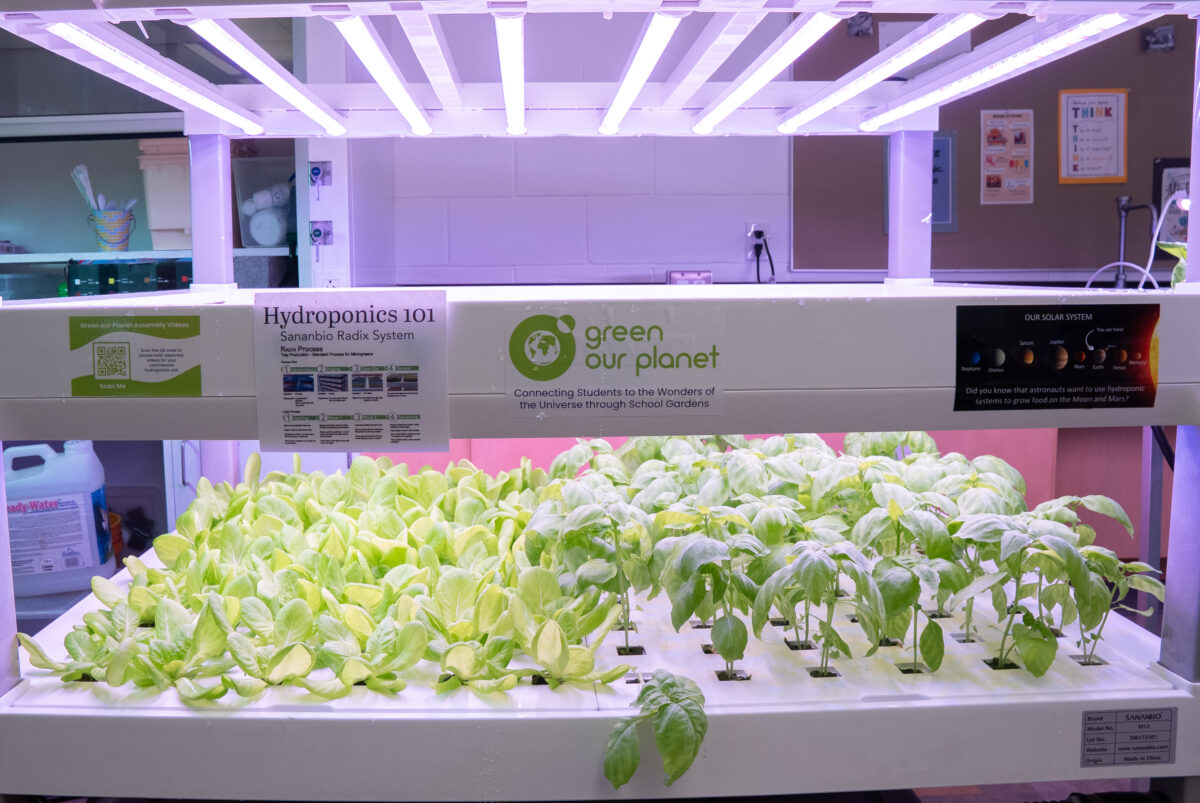
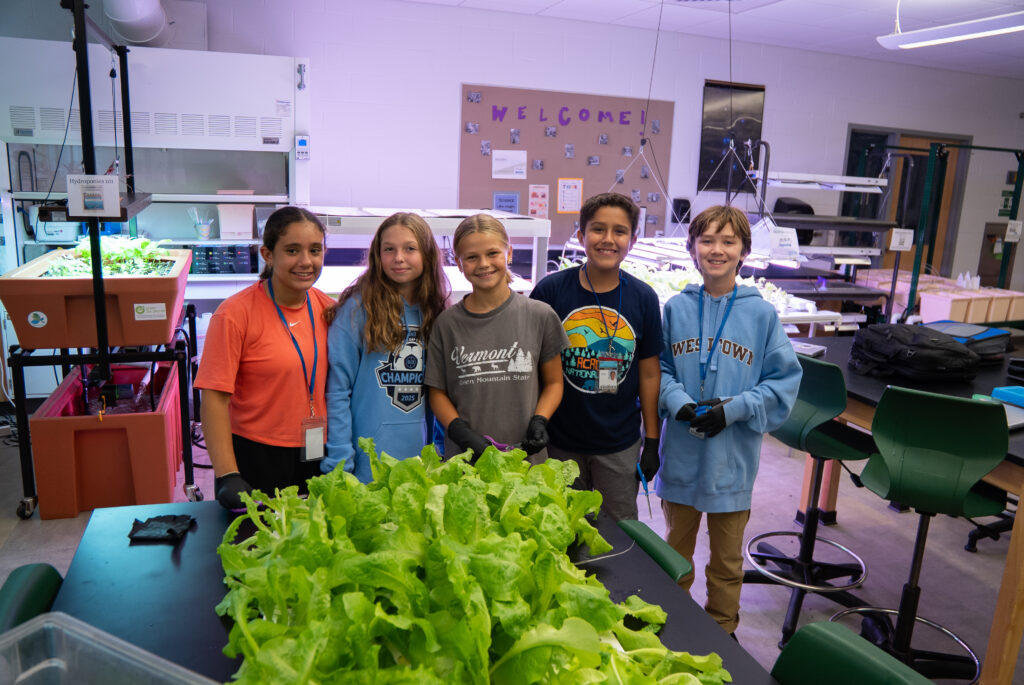
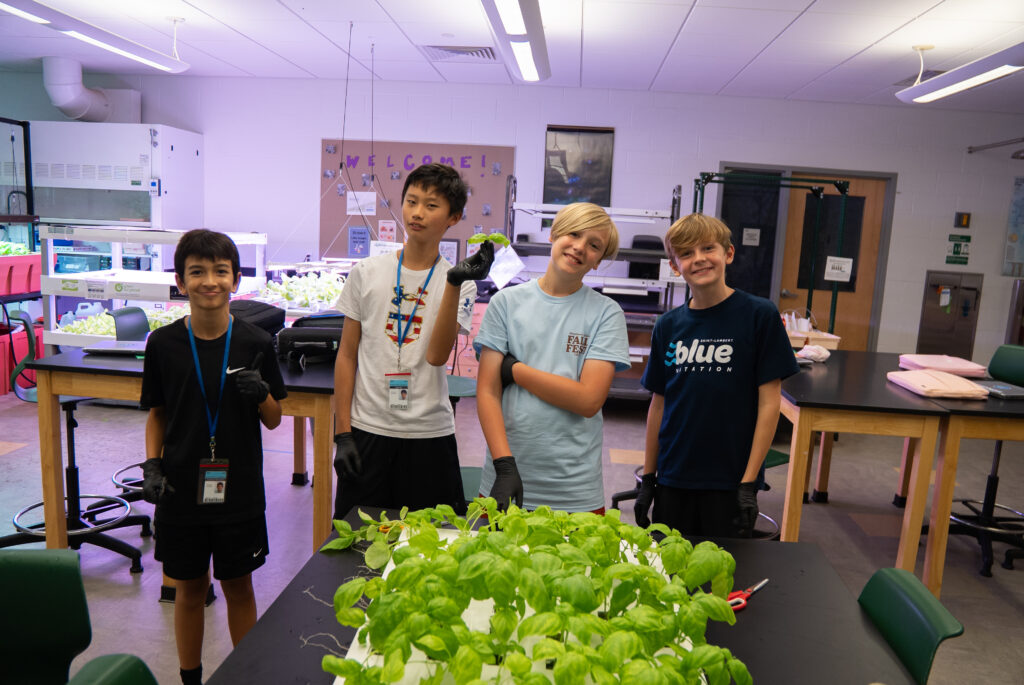
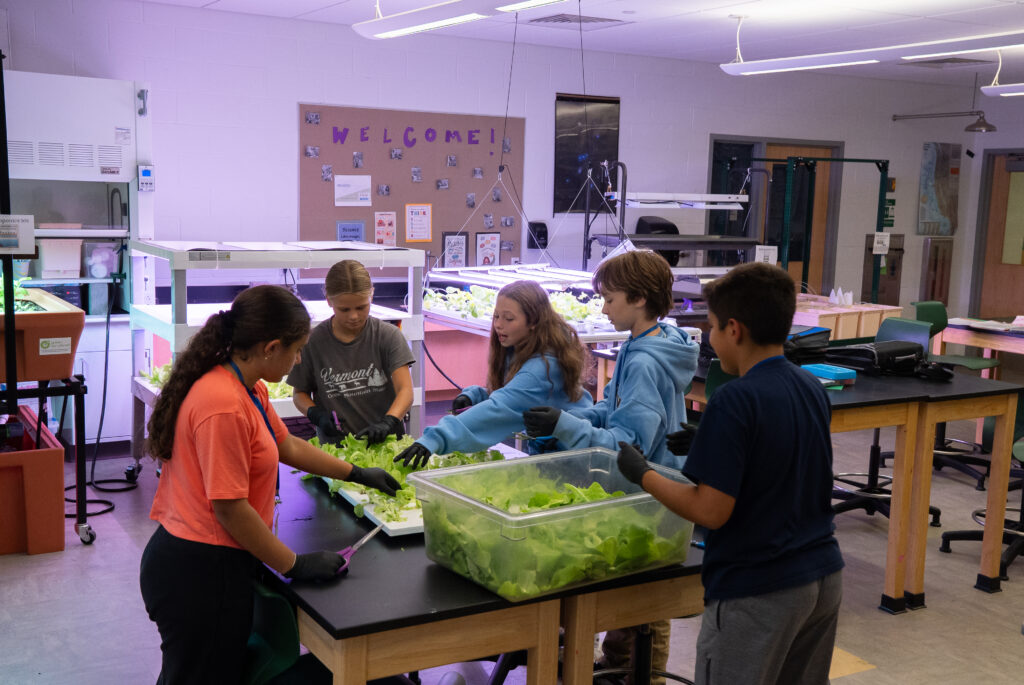
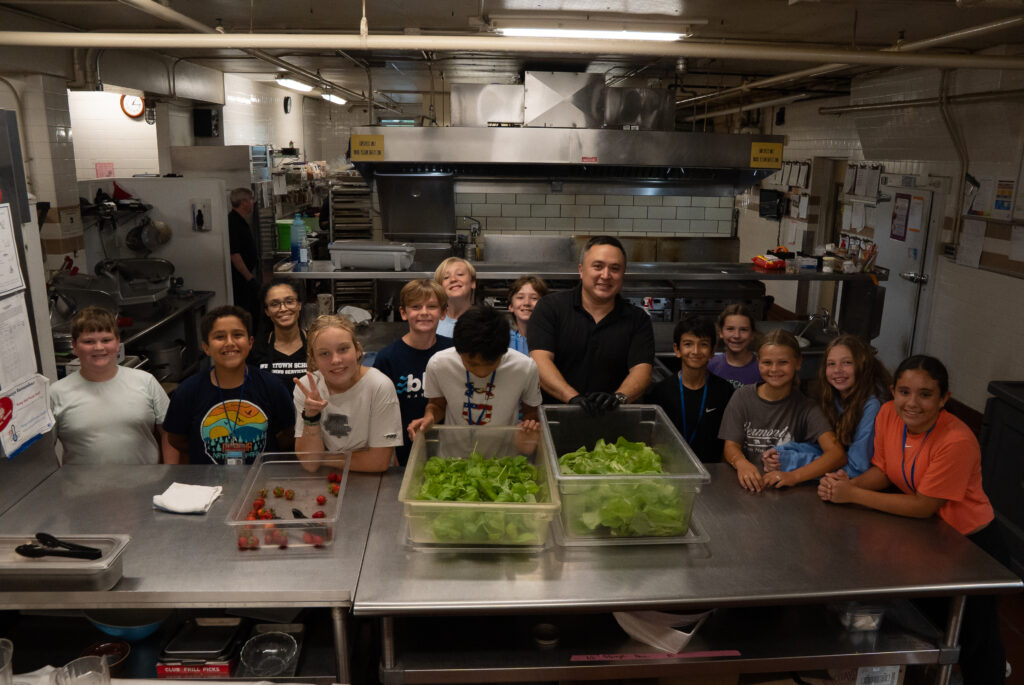
Sixth graders in Carlos Charriez’s science class worked with the kitchen to provide Westtown-grown lettuce, using a hydroponics growing system. Food and agricultural science are hallmarks of Westtown’s Middle School science program and are an excellent illustration of how our students learn. They have a hands-on educational experience steeped in problem-solving and critical thinking. Most importantly, the lived experience of the classroom opens the way for the development of essential understandings and skills.
Charriez shares, “When our students learn to cultivate food, they are not just learning about plants. They are also learning about chemistry and geology. These lessons prepare future science students for astronomy and physics classes and culminate in their Middle School capstone work on climate change and sustainability. They can apply this learning across the curriculum, like how it sharpens their understanding when they study agriculture in ancient cultures. They sharpen their skills in observation and collaboration, which support success in all of their academic and social learning. Learning stops being about a task to memorize and becomes part of their understanding of the world. This is a tangible example of what the Westtown approach to learning looks like—and, in this case, tastes like.”
Students delivered their crop of lettuce to Assistant Director of Dining Services Geoffrey Hillman where it was promptly used to help feed our community.
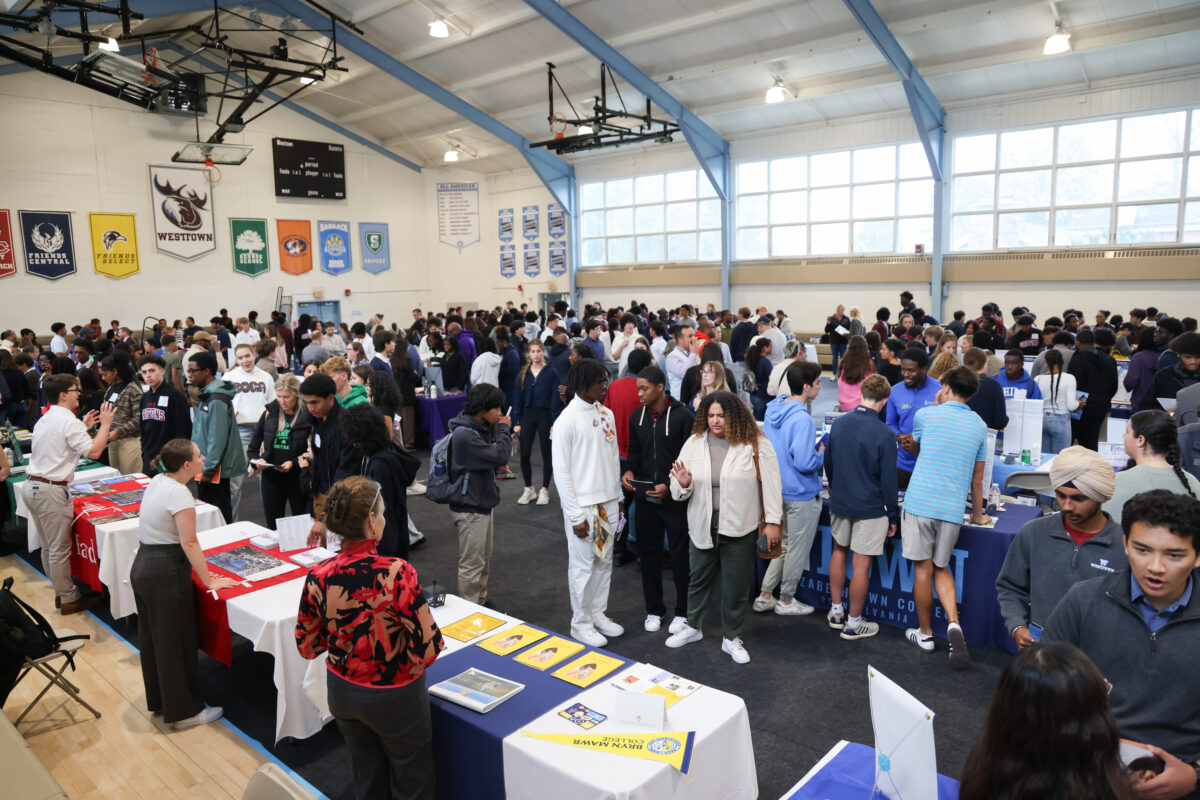
More than 300 students and their families attended this year’s Equity and Access Conference and College Fair. Westtown has hosted this biennial conference and college fair since 2005 with a goal of creating space for substantive conversations with students and their families regarding issues of belonging, equity, access, inclusion, and allyship in the college application process. The event had a variety of panel presentations, student-led discussions, and a college fair with nearly 100 colleges represented.
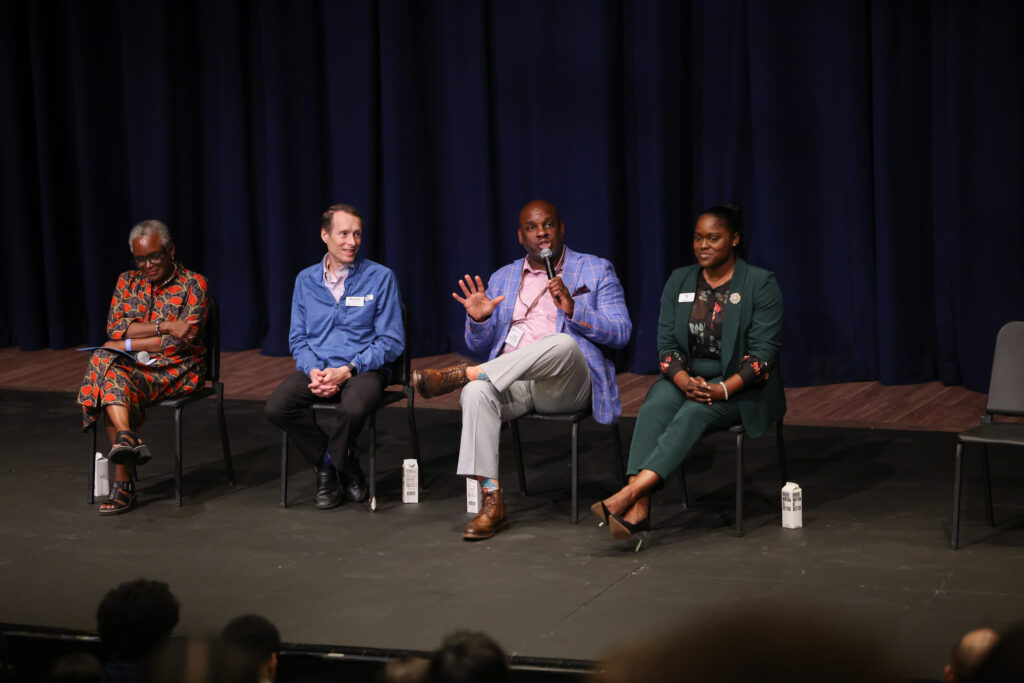
Many alums and current students participated as well! Tray Hammond ’18, Shereem Herndon-Brown ’92, and Brennan Barnard ’92 all presented various sessions, and Shereem and Brennan were part of the keynote panel. Jess Lord ’90 represented Haverford at the college fair. Jhan Setthachayanon ’22 (Yale), Jon Ebataleye ’23 (MIT), Sydney Kostal ’23 (Santa Clara), Kaelin Martin ’24 (Spelman), Abena Onyinah ’24 (Davidson), and Lucia Sanchez ’24 (Swarthmore) joined the Young Alums Panel on Zoom. Current seniors Logan Luo, Tiantong Hu, Lucy Smith, Tessa Kipnis, Addison James, Angela Wang, Insaaf Imtiyaz, and Melissa Freeman all led sessions about various kinds of student activism.
It was a wonderful event and we’d like to thank our amazing College Counseling team, alum and student participants, volunteers, and all who helped make it such a success!
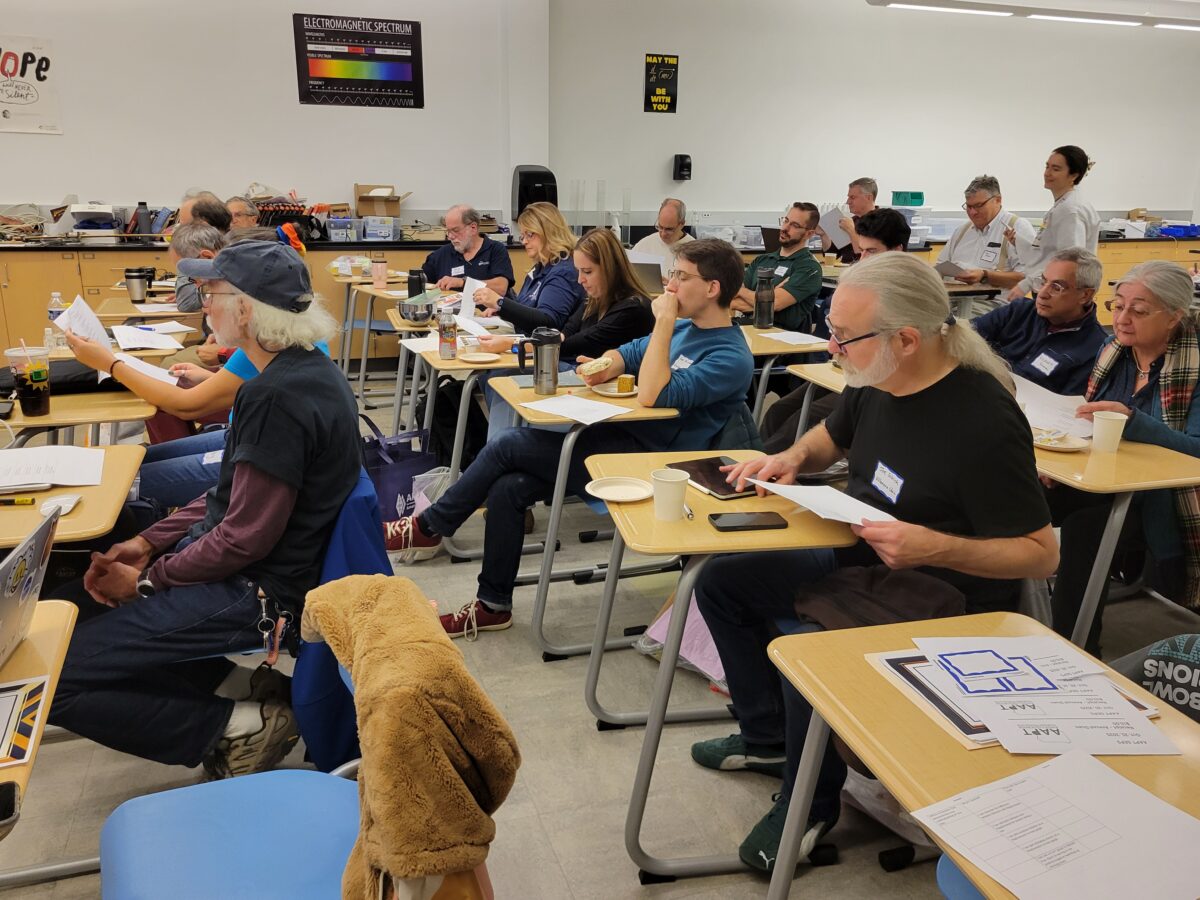
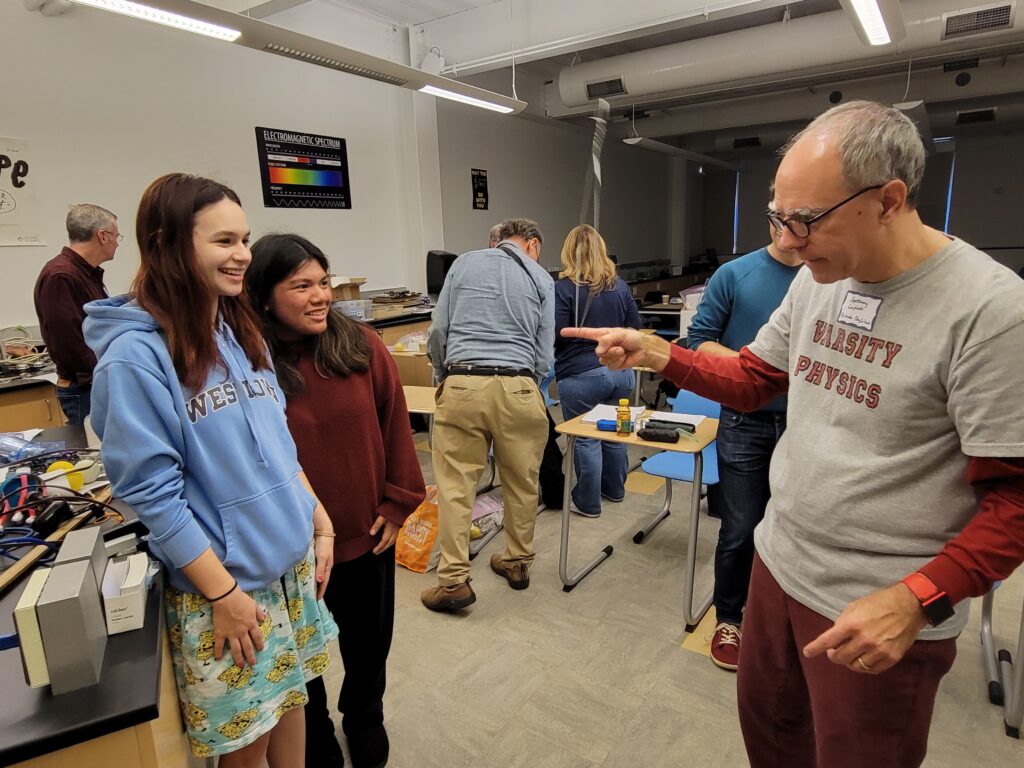
On October 25, Westtown hosted the Southeast Pennsylvania Section of the American Association of Physics Teachers’ annual Demo Day. Physics teachers around Philadelphia and its neighboring areas (both active and retired) flocked here to share resources and ideas for physics demonstrations to use in classrooms. The attendees included high school teachers, college professors, and retired physics educators, including Westtown’s own former teacher Barry Feierman.
Niral Desai, who teaches physics here at Westtown and helped host the event, shared, “At the meeting we learned about ways to examine rotational motion, wave interference, electric fields, mechanical tension, general relativity, dark matter and much, much more within the confines of our classrooms. The attendees were all very grateful to Westtown for hosting this event, and all left with new perspectives and tools for teaching physics. We look forward to the next opportunity to host science conferences such as these!”
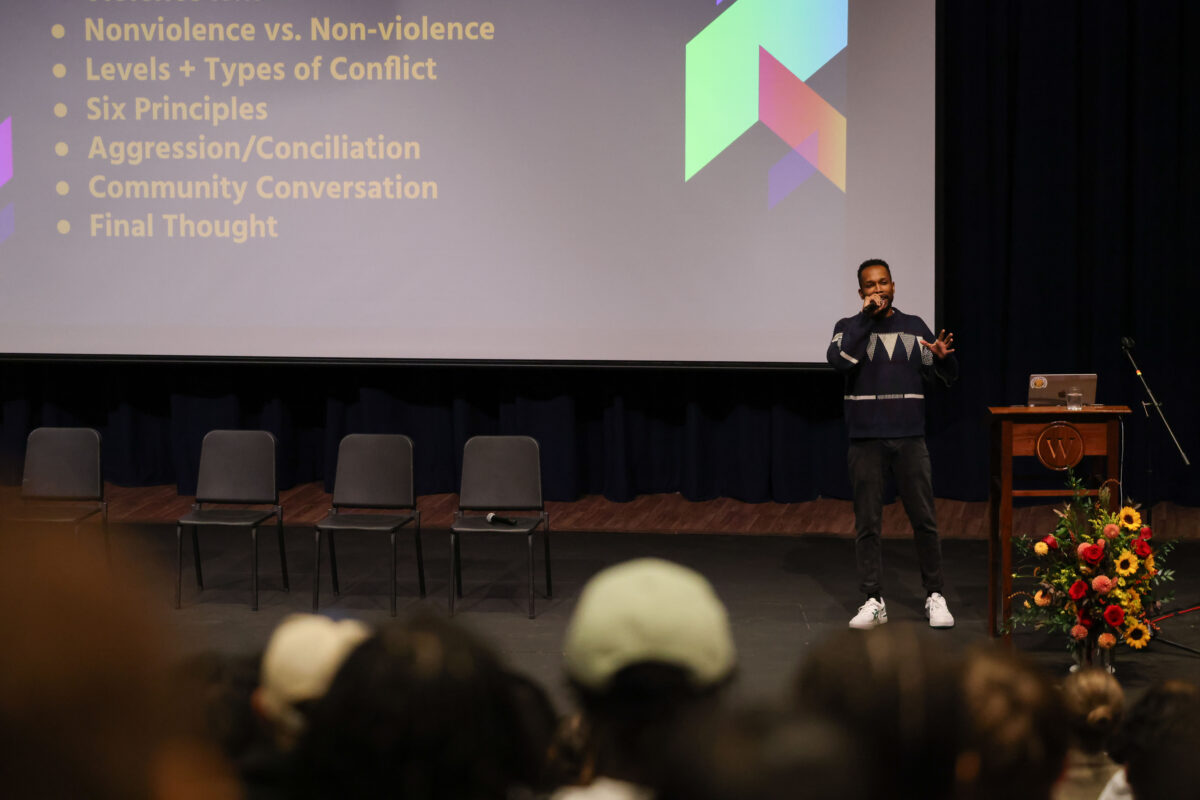
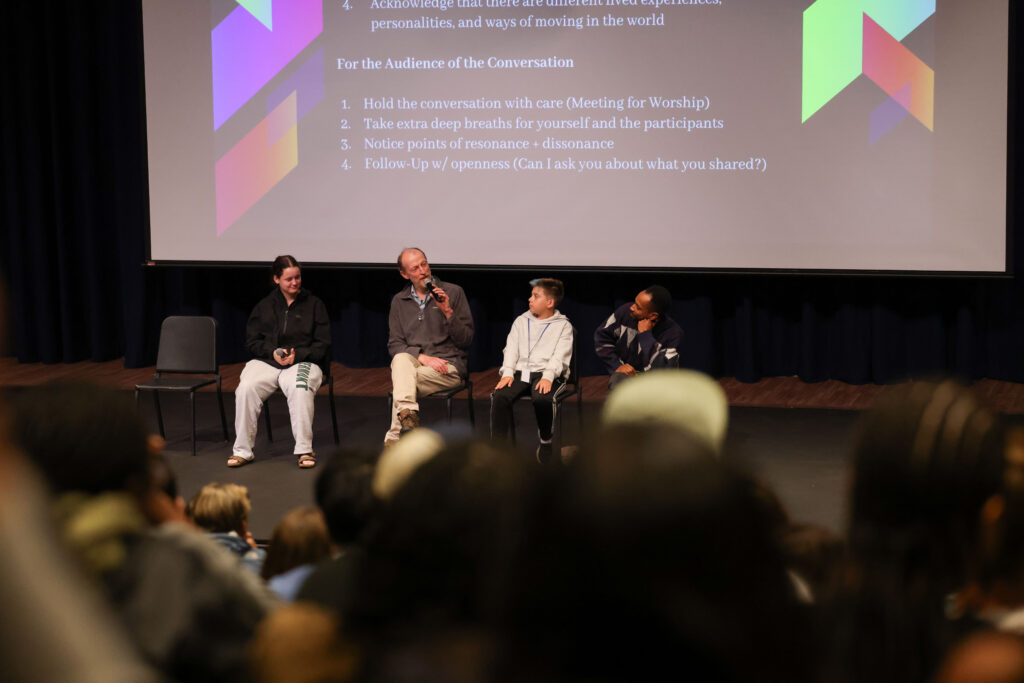
Dwight Dunston, a West Philly-based facilitator, hip-hop artist, educator, and activist, gave an assembly for our 7th-12th grade students about his work and Kingian Nonviolence, a philosophy and methodology for nonviolent conflict reconciliation developed from the work of Martin Luther King Jr. During the assembly, he led a few exercises with the audience and volunteer panelists, which inspired reflection and conversation.
Dwight also visited history teacher Marissa Colston‘s Peace and Justice class and religion teacher Lara Freeman‘s Environmental Justice class to discuss Kingian Nonviolence, and there was also an open session in the South Room for students to drop in and talk with Dwight to learn more about his life and work.
The following is an excerpt from the Friends Council on Education’s newsletter. The piece was written by Nic James and edited by Westtown’s Kelly Yiadom, Director of Equity, Justice, and Belonging for Lower and Middle Schools, and Anne Burns, Dean of Communications. Photos courtesy of Westtown School.
SCHOOL SPOTLIGHT
Westtown School is supporting student conversations around Native American Heritage through several authentic initiatives and programs.
All-School Initiatives
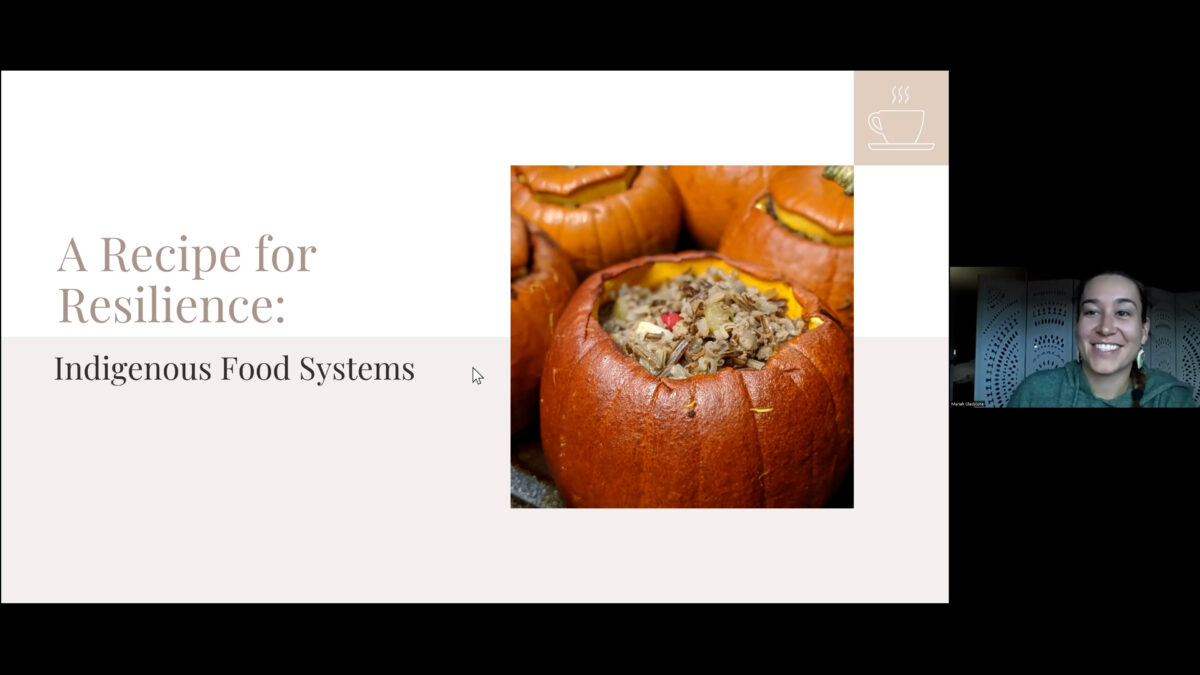
Westtown’s Equity, Justice, and Belonging team partnered with Beth Pellegrino, Director of Dining Services, to bring Mariah Gladstone to all three divisions of the school as a virtual speaker. Gladstone, an enrolled member of the Blackfeet and Cherokee Nations, is an environmental engineer, chef, and founder of Indigikitchen, an online platform dedicated to Indigenous food traditions and food sovereignty. Her presentation introduced students to the connections between culture, health, and land stewardship and highlighted the importance of preserving Indigenous knowledge.
Lower School
Lower School students welcomed Delaine “Dee” Tootsie-Chee, the grandmother of one of the students, to visit during their weekly Gathering. Tootsie-Chee is a member of the Hopi Tribe and belongs to the Asah/Roadrunner Clan. She demonstrated elements of Hopi hand-pottery making—sharing how she learned by observing her maternal clan relatives and describing traditional methods for pigmentation and burnishing with river stones, among other techniques.
Middle School
Over the summer, 8th graders read Braiding Sweetgrass by Robin Wall Kimmerer. The story of sweetgrass parallels the experiences of Indigenous peoples facing displacement and the loss of ancestral lands to invasive species.
Also, along with their teachers, a few Middle School students with Native American heritage presented to their classmates this month. The goals of their presentation were to expand knowledge of and connection to Native Americans, celebrate the varied contributions of First Peoples to society, past, present, and future, and to move beyond recognition toward accountability and action.
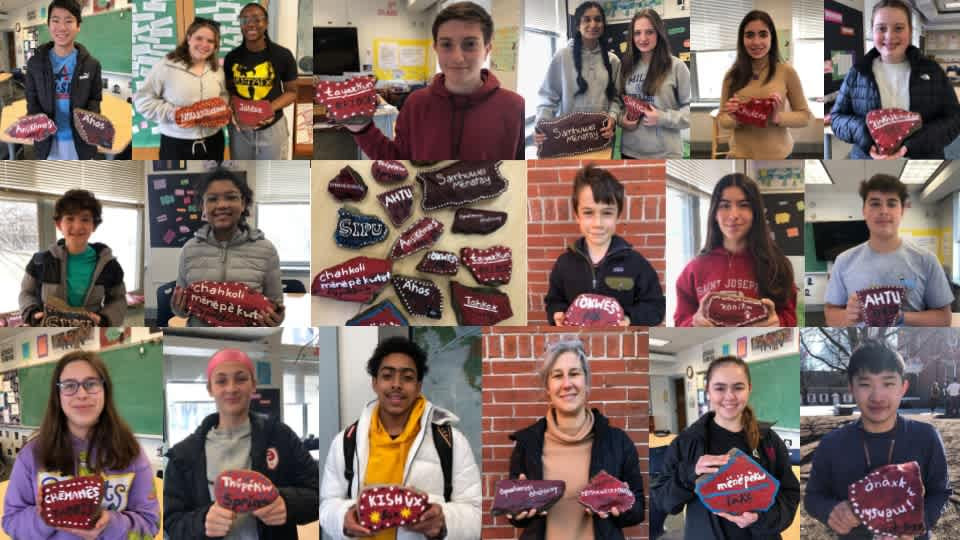
Finally, Lenape Voices is an ongoing art and service project that seeks to honor more than 10,000 years of Lenape stewardship of the land. Throughout campus, 21 painted stones (ahsëna) display Lenape words and English translations. Visitors are invited to reflect on both the absence and presence of the Lenape people in this place.
Upper School
During Community Collection (the Upper School’s weekly student and faculty gathering), one of four Upper School students whose roots extend into an Indigenous nation spoke to their perspectives on ancestry, identity, relationship with the natural world, and governance systems built on peace, equity, and a collective responsibility. They urged their school community to not only remember the gifts and challenges of their heritage but also recognize their present and their future.
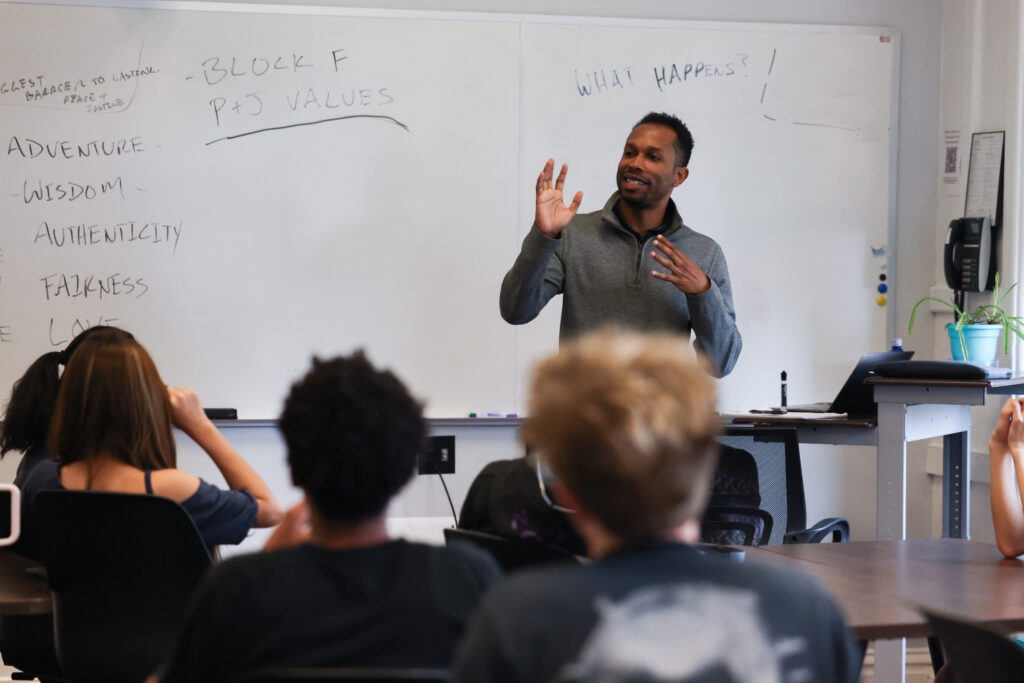
Excerpt from remarks by Oronhiatehka Maracle ’27: “So as we celebrate Native American Heritage Month, let’s not confine our thoughts to the past. Let’s look forward to the faces yet to be born, to the futures yet to unfold.
We are not relics. We are not victims. We are nations who endure.”